
The Sacred Canvas: An Introduction to Spiritual Narratives in Art History
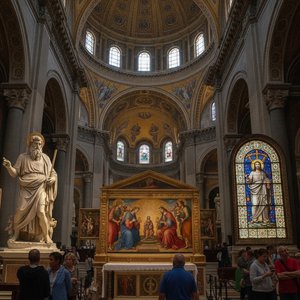
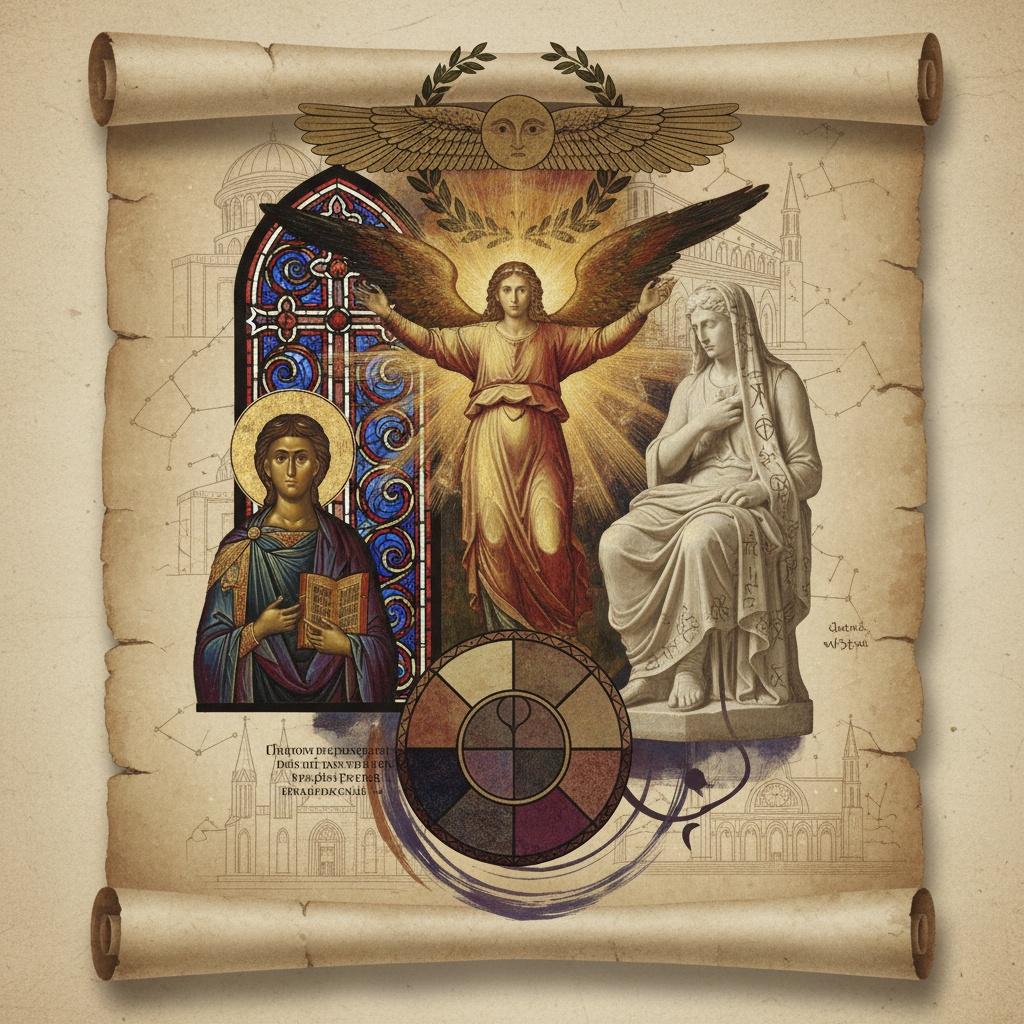
Throughout the long corridors of human history, art has served as more than a mere mirror to reality; it has functioned as a window into the transcendent. For centuries, the canvas was the primary vessel for expressing the inexpressible, providing a visual language for the soul's deepest yearnings and its connection to the divine. To study spiritual themes in fine art is to embark on a pilgrimage through the collective consciousness of humanity, tracing how different eras have attempted to capture the essence of the sacred. These works are not merely decorative; they are profound theological statements, designed to evoke awe, facilitate prayer, and bridge the gap between the earthly realm and the eternal. The power of these narratives lies in their ability to transform physical materials—pigment, oil, wood, and stone—into spiritual experiences. When we gaze upon a masterpiece dedicated to a divine vision, we are participating in a tradition of devotion that spans millennia. This intersection of human craftsmanship and spiritual aspiration creates a unique tension, where the limitations of the medium meet the infinite nature of the subject matter. It is within this sacred space that art finds its most enduring purpose, acting as a silent sermon that speaks across the boundaries of time and culture.Iconography and the Infinite: Decoding Religious Symbolism and Divine Light
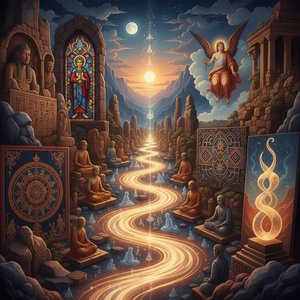
To truly comprehend the depth of spiritual art, one must learn to read its secret language: iconography. Every element within a sacred composition often carries a weight far beyond its visual appearance. A single lily might represent purity, while a shaft of light piercing through heavy clouds serves as a metaphor for divine intervention or grace. This symbolic lexicon allowed artists to communicate complex theological truths to both the literate and the illiterate, creating a universal tapestry of meaning that could be understood by all who looked upon it. The manipulation of light is perhaps the most potent tool in this iconographic toolkit. In many traditions, light is synonymous with the presence of the divine. Consider the way early Renaissance masters used gold leaf to create an otherworldly glow, or how later artists utilized dramatic contrasts to suggest a spiritual awakening. This use of luminosity does more than illuminate the scene; it creates a sense of chiaroscuro that pulls the viewer into a state of contemplation. By mastering the interplay between shadow and brilliance, artists were able to simulate the experience of a divine revelation, making the intangible presence of the holy feel tangibly present within the frame.From Devotion to Drama: The Evolution of Sacred Themes from Early Renaissance to Baroque
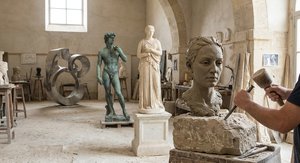
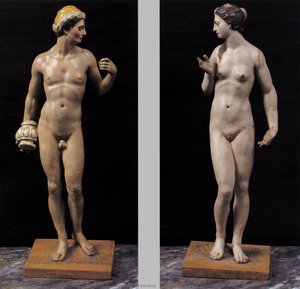
The trajectory of spiritual art is marked by a profound shift in emotional temperature, moving from the structured, symbolic stillness of the early Renaissance to the theatrical, visceral intensity of the Baroque period. In the works of masters like Duccio di Buoninsegna, such as his poignant depictions in the Maestà, we see a focus on clarity, rhythm, and a sense of eternal order. These compositions often utilized vibrant colors and precise symbolism to guide the viewer through a narrative of profound religious significance, emphasizing the stability and sanctity of the divine hierarchy. As the centuries progressed, this quiet devotion gave way to a more dramatic and human-centric approach. The Baroque era introduced a sense of movement and emotional turbulence that sought to overwhelm the senses. Sculptors like Giuseppe Cino utilized the medium of wood and stone to create figures that seemed to breathe with life and suffering, capturing the raw, human element of religious stories. This period embraced the sublime—the idea that the divine could be found not just in peaceful contemplation, but in the overwhelming power of emotion, movement, and even agony. The transition from the serene icons of the past to the tempestuous dramas of the Baroque reflects a changing relationship between humanity and the heavens, moving from distant reverence to an intimate, often turbulent, engagement with the sacred.The Emotional Sublime: Exploring Human Suffering and Transcendence in Masterpieces
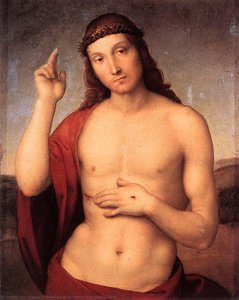
At the heart of many spiritual masterpieces lies the exploration of human vulnerability and the possibility of transcendence through suffering. There is a profound, almost haunting beauty in works that depict the weight of mortality and the struggle of the spirit. Artists have long been drawn to themes of martyrdom and sacrifice, recognizing that the most powerful expressions of faith often emerge from the darkest moments of the human condition. These depictions are not intended to merely evoke pity, but to inspire a sense of resilience and the hope of ultimate redemption. A poignant example can be found in the detailed explorations of Christ’s passion, where the physical reality of pain is rendered with such realism that it becomes a spiritual catalyst. The ability of an artist to capture the emotional depth of a figure—the exhaustion, the resolve, or the quiet acceptance—allows the viewer to find their own reflections within the sacred narrative. In these moments, the boundary between the observer and the observed dissolves, and the painting becomes a site of profound empathy. It is through this recognition of shared suffering that art achieves its most transcendent quality, reminding us that even in our most broken states, there is a connection to something much larger than ourselves.Modern Echoes: How Spiritual Themes Persist in Contemporary Visual Language
While the formal structures of religious iconography have evolved, the impulse toward spiritual expression remains a vital force in contemporary art. The modern era has not abandoned the search for meaning; rather, it has reimagative the language of the sacred to suit a more fragmented and secular landscape. Today, spirituality in art often manifests through abstraction, where color, texture, and scale are used to evoke feelings of the infinite without relying on traditional religious symbols. Contemporary artists frequently explore themes of ecology, cosmic connection, and the inner psyche as modern iterations of the divine. The awe once reserved for cathedral ceilings is now found in the vastness of abstract landscapes or the intricate patterns of organic forms. This persistence of spiritual inquiry proves that the human need to grapple with the mysteries of existence is unshakeable. Even in an age of technological advancement, the power of a well-crafted image to stir the soul and provoke deep, existential reflection remains as potent as it was in the workshops of the Old Masters.Bringing the Divine Home: Curating Sacred Art for Reflective Living Spaces
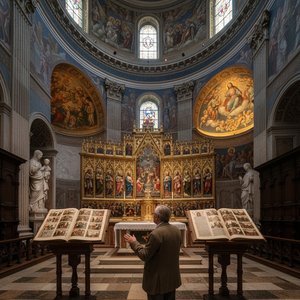
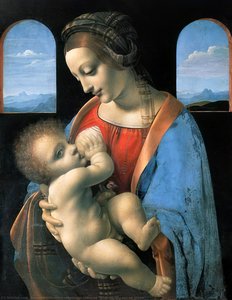
Integrating pieces of spiritual or classical art into a modern home is an act of intentional curation. It is about creating an environment that fosters reflection and provides a sanctuary from the noise of the outside world. When selecting art with sacred themes, one should consider how the emotional resonance of the piece interacts with the architecture and atmosphere of the room. A large-scale, dramatic work might serve as a powerful focal point in a grand hall, while a smaller, more intimate portrait can offer a moment of quietude in a private study. Curating such a collection requires an appreciation for both history and personal aesthetic. Whether it is a meticulously rendered reproduction of a Renaissance masterpiece or a contemporary abstract piece that evokes the sublime, the goal is to surround oneself with works that inspire thought and elevate the spirit. By treating art not merely as decoration but as a meaningful presence, we transform our living spaces into galleries of contemplation, ensuring that the profound legacy of divine vision continues to enrich our daily lives.About ArtsDot.com
ArtsDot.com is a global leader in fine art reproductions and custom commissions. Since 2004, we have been dedicated to making the beauty of the Old Masters accessible to collectors worldwide. Our mission is to preserve human creativity through high-quality, hand-painted oil reproductions on 100% cotton canvas. From transforming personal photos into classical masterpieces to providing large-format architectural murals, our academy-trained artists bring historical excellence to modern homes. We offer a seamless experience with professional digital mockups, global shipping to over 70 countries, and a 100% satisfaction warranty, ensuring that every piece we create becomes a lasting legacy for your collection.