The Divine Architect: Michelangelo’s Visionary Genesis
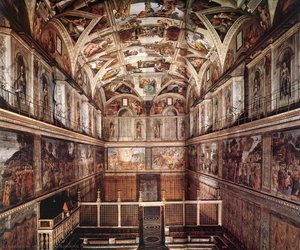
To step into the Sistine Chapel is to enter a realm where the boundaries between the earthly and the divine dissolve into a singular, breathtaking vision. While many perceive the chapel as a mere sanctuary of the Vatican, it is, in essence, the profound manifestation of one man's struggle with the infinite: Michelangelo Buonarroti. The genesis of this monumental undertaking was not born of a simple decorative whim, but rather a complex intersection of papal command and artistic destiny. When Pope Julius II summoned the Florentine master to decorate the ceiling, he did so tasking a sculptor with the daunting feat of becoming a fresco painter—a medium far removed from the tactile, three-dimensional world of marble.
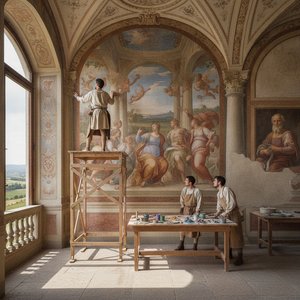
Michelangelo’s initial resistance to this transition reveals much about his artistic soul. He viewed himself as a carver of stone, a creator of form through subtraction. Yet, it was precisely this sculptural sensibility that would breathe life into the chapel's architecture. He did not merely paint figures; he sculpted them with light and shadow, using chiaroscuro to grant each limb and muscle a weight that seems to defy the very flatness of the plaster. This period of creation was an arduous labor of physical and spiritual endurance, as the artist spent years suspended in scaffolding, battling the elements and the immense psychological pressure of executing a work that would define the High Renaissance.
The result of this visionary genesis is a space where architecture and painting are inextricably linked. The ceiling does not merely sit atop the chapel; it expands it, creating an illusionistic sky populated by the very essence of biblical history. Through his mastery, Michelangelo transformed a structural necessity into a theological gateway, setting the stage for an era of unprecedented artistic innovation that would echo through the centuries.
Celestial Narratives: Deciphering the Ceiling Frescoes
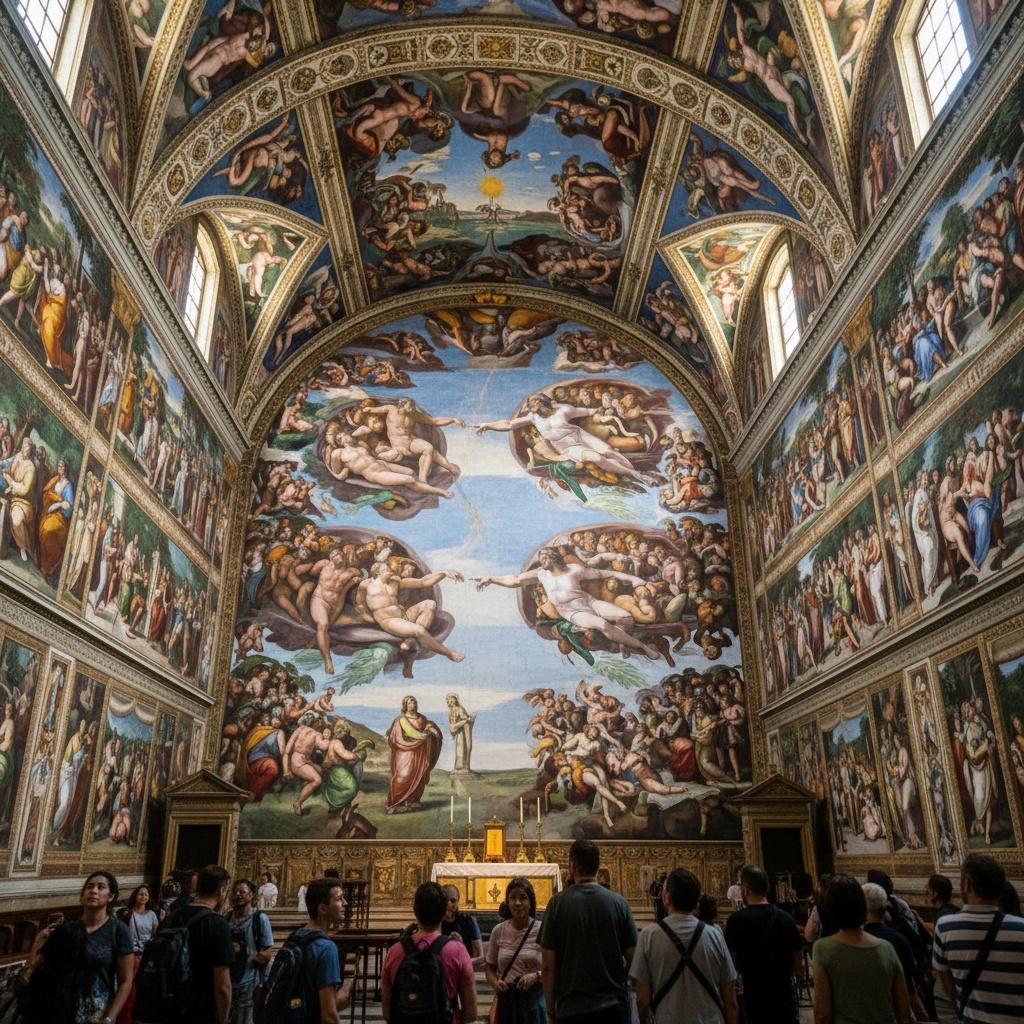
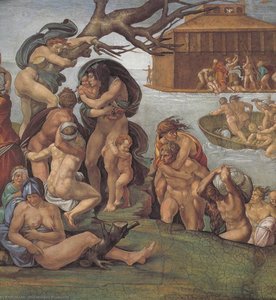
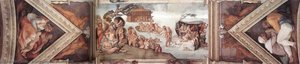
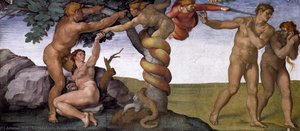
As one gazes upward, the ceiling unfolds like a sacred manuscript, written in the language of pigment and profound symbolism. The central spine of the vault is dedicated to the most fundamental stories of the Old Testament, specifically the nine scenes from the Book of Genesis. These are not merely illustrations; they are rhythmic pulses of creation and consequence. From the primordial separation of light from darkness to the tragic fall of man, each panel captures a moment of cosmic significance with an intensity that borders on the visceral.
The true brilliance of these frescoes lies in their ability to convey complex theological truths through movement and composition. In the iconic Creation of Adam, the near-touching fingers of the Creator and the first man serve as a silent, electric metaphor for the spark of life and the eternal connection between humanity and the divine. There is a palpable tension in the air, a sense of breath held in anticipation. Michelangelo utilizes the muscularity of his figures to communicate strength, vulnerability, and the weight of destiny, ensuring that even the most subtle gesture carries immense narrative gravity.
Surrounding these central narratives are the prophets and sibyls—figures of ancient wisdom who foretold the coming of Christ. Their presence creates a celestial court, a gathering of the world's spiritual intellects. The way Michelangelo integrates these figures into the architectural framework—nestling them within painted cornices and pedestals—creates a sense of a living, breathing hierarchy. To study these frescoes is to engage in a silent dialogue with the past, deciphering a complex web of iconography that celebrates the triumph of spirit over matter.
The Altar Wall: Theological Depth and Artistic Innovation
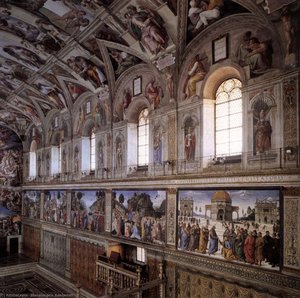
While the ceiling captures the dawn of time, the frescoes situated above the altar wall direct our gaze toward the culmination of the divine plan. This area of the chapel serves as a profound theological anchor, grounding the celestial expansiveness of the ceiling in the liturgical reality of the Mass. Here, the artistry shifts from the epic scale of creation to a more focused, intense exploration of salvation and the continuity of faith.
The frescoes above the altar are characterized by an extraordinary depth of emotion and a sophisticated use of color that complements the grandeur of the ceiling while maintaining their own distinct identity. Michelangelo’s ability to manipulate the viewer's focus is unparalleled; he uses the structural elements of the chapel to guide the eye toward the most sacred point of the sanctuary. The figures here often possess a more contemplative, somber quality, reflecting the gravity of the themes of sacrifice and redemption that are central to the Christian tradition.
Innovation in this section is found in the seamless integration of narrative and space. Michelangelo employs advanced perspectival techniques to ensure that the painted elements feel like an extension of the physical chapel. The interplay of light, seemingly emanating from the very heavens, illuminates the faces of the saints with a soft, ethereal glow, bridging the gap between the painted world and the worshiper's reality. It is a masterclass in using art to facilitate a spiritual encounter, turning the altar wall into a window onto the eternal.
Anatomy of the Sublime: The Mastery of Human Form in Renaissance Art
At the heart of Michelangelo’s contribution to the Sistine Chapel is an unparalleled obsession with the human form. For the master, the body was not merely a vessel for the soul, but the ultimate medium through which divine power could be expressed. His deep study of anatomy—often conducted through the rigorous and often controversial dissection of cadavers—allowed him to render the human figure with a precision that was revolutionary. Every sinew, every torsion of the torso, and every flexed muscle serves a dual purpose: anatomical accuracy and emotional resonance.
This anatomia sublime is what gives the figures in the Sistine Chapel their monumental presence. They possess a sculptural density, as if they were carved from the very air around them. When we observe the twisting bodies of the ignudi—the nude youths that adorn the corners of the ceiling—we see more than just displays of physical prowess; we witness the expression of internal struggle and heroic vitality. The way Michelangelo uses the musculature to suggest movement, even in stillness, creates a sense of latent energy that keeps the viewer perpetually engaged.
Furthermore, this mastery extends to the psychological dimension of the figures. Through the subtle arrangement of limbs and the tension in the flesh, Michelangelo communicates a spectrum of human experience—from the profound peace of Adam to the agonizing despair of the fallen. He elevates the human anatomy to a level of high art where the physical becomes the spiritual, proving that the most profound truths of the universe can be found within the contours of the human frame.
Preserving the Sacred: The Enduring Legacy of the Sistine Chapel
The legacy of the Sistine Chapel extends far beyond the walls of the Vatican; it is a cornerstone of Western civilization. The innovations introduced by Michelangelo—the expansion of the fresco medium, the psychological depth of characterization, and the elevation of the human form—redefined the trajectory of art history. His work provided the blueprint for the Mannerist movement and continues to inspire artists, architects, and thinkers across the globe. The chapel remains a testament to the heights that human creativity can reach when fueled by unyielding passion and technical brilliance.
However, the preservation of such a masterpiece is a continuous struggle against time and the elements. The very pigments that provide such vibrant color are susceptible to the humidity of the Roman climate and the environmental impact of millions of visitors. Modern restoration efforts have been Herculeable tasks, involving delicate chemical cleaning and meticulous stabilization to ensure that the brilliance of Michelangelo's vision remains undimmed for future generations. To preserve the Sistine Chapel is to protect a vital piece of our collective human heritage.
As we reflect on these works, we find that their power remains undiminuted by the passage of five centuries. They continue to provoke awe, to challenge our perceptions, and to remind us of the sublime potential of the human spirit. Whether through the study of their historical context or the admiration of their technical execution, the Sistine Chapel remains an eternal beacon of artistic achievement, a place where the heavens were truly mastered by man.
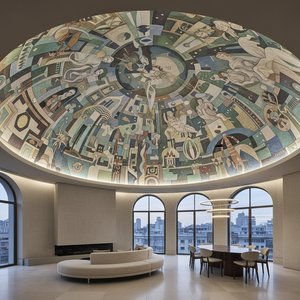
At ArtsDot.com, we share this profound passion for the Old Masters. Our mission is to bring the grandeur of history into the modern home through exquisite, hand-painted reproductions that capture the very soul of these masterpieces. From the textured brushstrokes of a custom oil painting to large-format architectural murals that recreate historical ceilings, we strive to make the sublime accessible to all. We invite you to explore our collection and discover how the timeless beauty of the Renaissance can transform your personal space.