
The Renaissance of Reason: Defining the Neoclassical Movement
To understand the profound impact of Neoclassicism, one must first envision a world emerging from the ornate, often overwhelming excesses of the Rococo period. As the Enlightenment began to reshape the intellectual landscape of Europe, a new aesthetic hunger arose—a longing for clarity, restraint, and the unadorned truth found in the ancient worlds of Greece and Rome. This was not merely a change in decorative taste, but a profound philosophical shift. The movement sought to strip away the frivolous flourishes of the previous century, replacing them with a visual language rooted in logic and the enduring principles of antiquity.
This era marked a deliberate return to the classical ideals of stability and permanence. Artists looked backward to move forward, finding inspiration in the archaeological discoveries of Pompeii and Herculane and the theoretical writings of scholars like Winckelmann. The movement became a vessel for the Enlightenment's core values: reason, civic duty, and the pursuit of objective beauty. In every brushstroke, there was an attempt to capture a sense of eternal truth, moving away from the ephemeral whims of fashion toward something much more substantial and intellectually grounded.
Ultimately, Neoclassicism served as a bridge between the ancient past and the modern consciousness. It provided a way for a changing society to anchor itself in the perceived virtues of antiquity while navigating the complexities of a new age. By embracing the serenity of form and the power of structured composition, Neoclassical artists created a legacy that continues to resonate with anyone who finds beauty in balance and meaning in order.
Principles of Perfection: Order, Symmetry, and the Classical Ideal
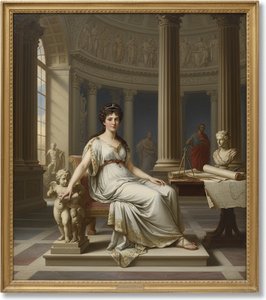
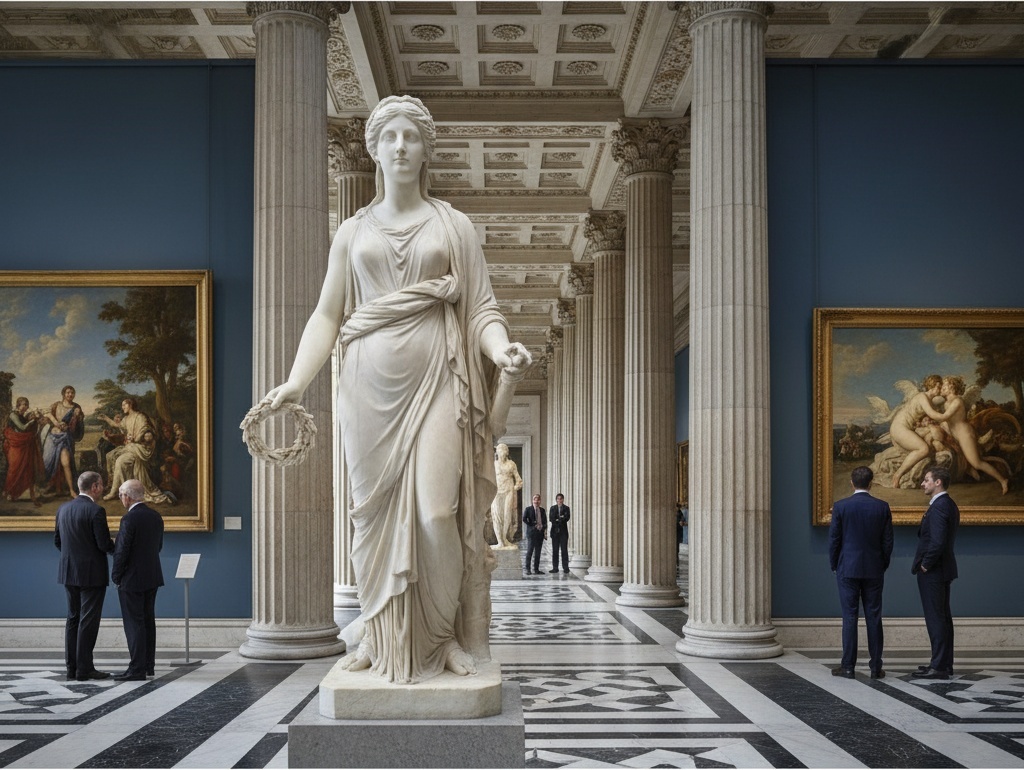
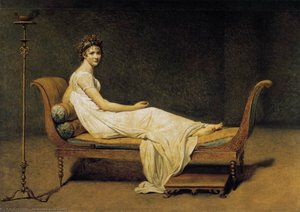
At the heart of the Neoclassical aesthetic lies an unwavering devotion to symmetry and proportion. Unlike the swirling, asymmetrical compositions of the Baroque or Rococo, a Neoclassical canvas is often structured with architectural precision. The eye is guided through the work not by chaotic movement, but by a deliberate, rhythmic arrangement of figures and space. This sense of equilibrium creates a profound feeling of calm, inviting the viewer into a space where every element has its rightful place within a harmonious whole.
The technique employed by these masters was characterized by a meticulous attention to detail and a preference for clean, sharp outlines. The linear quality of the work—often referred to as "disegno"—was paramount. By emphasizing line over color, artists could ensure that the form remained legible and monumental. This clarity allowed the subject matter to command respect, as the lack of distracting textures or muddy shadows forced the viewer to confront the pure geometry of the human figure and the structural integrity of the setting.
Furthermore, the use of light in Neoclassical painting was rarely dramatic or theatrical in a way that obscured form. Instead, light was utilized to sculpt the figures, providing three-dimensional depth while maintaining the clarity of the composition. This controlled illumination served to highlight the musculature and drapery, reinforcing the connection to classical sculpture. Through this disciplined approach to light and line, Neoclassicism achieved a level of perfection that felt both achievable through human reason and inherently divine in its grace.
Masters of the Era: From the Precision of Mengs to the Grandeur of David
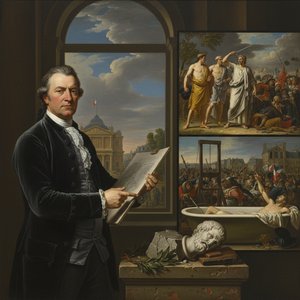
The evolution of Neoclassicism is best understood through the hands of those who breathed life into its rigid principles. Anton Raphael Mengs stands as a pivotal figure in this transition, acting as a bridge between the lingering depth of the Baroque and the refined grace of the new era. His work, particularly his self-portraits, captures a contemplative stillness that embodies the movement's shift toward intellectualized beauty. Mengs’ ability to infuse portraiture with a sense of classical dignity set the stage for the generations that followed.
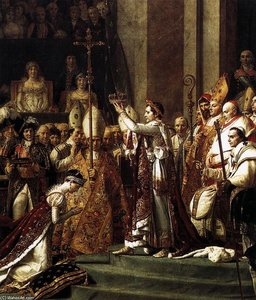
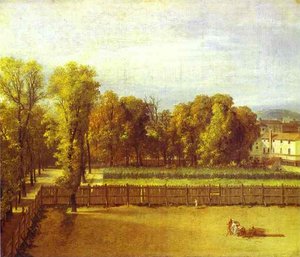
However, it was Jacques-Louis David who would elevate Neoclassicism to its most heroic and politically potent heights. David’s compositions are nothing short of monumental; he possessed an unparalleled ability to transform historical and mythological scenes into epic narratives of sacrifice and virtue. In works such as his depictions of Roman history, one sees a mastery of the heroic scale. His figures are not merely subjects but symbols of civic strength, rendered with a precision that makes the skin, the fabric, and the very atmosphere feel palpable and real.
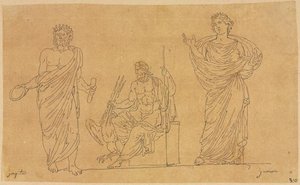
Beyond David, the movement found expression in diverse hands, such as the Russian painter Fyodor Gordeyevich Gordeyev, who brought the Neoclassical spirit to the vast landscapes of Eastern European art. Whether through the mythological intensity of 'Prometheus' or the serene depictions of gods and goddesses, these artists shared a common goal: to use the visual language of the past to articulate the highest aspirations of the human spirit. Their collective work remains a testament to the power of disciplined artistry.
The Moral Canvas: Virtue and Heroism in Neoclassical Narrative
Neoclassicism was never purely an aesthetic pursuit; it was deeply intertwined with the moral and political currents of its time. The subject matter often revolved around themes of patriotism, self-sacrifice, and the triumph of duty over personal desire. By depicting scenes from Roman and Greek history, artists provided contemporary audiences with moral exemplars—figures who embodied the virtues of the state and the strength of character required to endure hardship for the greater good.
Even in more intimate or mythological works, the underlying theme of order over chaos persists. The struggle of the hero against fate or the disciplined adherence to divine law reflects the Enlightenment's belief in a structured, understandable universe. Through these narratives, Neoclassical art functioned as a powerful tool for social and intellectual cultivation, shaping the values of an era through the enduring power of visual storytelling.
Neoclassicism in Modern Interiors: Curating Timeless Sophistication
In the contemporary world, the influence of Neoclassicism continues to offer a sanctuary of elegance for the discerning decorator. Integrating these classical elements into a modern space does not require a literal recreation of an 18th-century salon; rather, it is about capturing the essence of balance and poise. The clean lines and symmetrical arrangements found in Neoclassical art can be echoed through structured furniture, balanced mantelpiece displays, and a curated selection of fine art reproductions that anchor a room with historical weight.
For those looking to infuse their homes with this sense of grandeur, the key lies in intentionality. A single, large-scale reproduction of a Jacques-Louis David masterpiece can serve as a commanding focal point, providing a sense of architectural permanence to a modern wall. When paired with neutral palettes and high-quality materials—such as marble, fine linens, and dark woods—the classical aesthetic harmonizes beautifully with modern minimalism, creating a space that feels both current and timeless.
Ultimately, bringing Neoclassicism into the modern home is an act of curating legacy. It allows us to surround ourselves with the echoes of greatness, fostering an environment of reflection and order. Whether through a subtle nod in a color palette or a bold statement piece, the principles of Neoclassical art offer a way to transcend fleeting trends and embrace a beauty that is as enduring as the history from which it was born.
To explore more profound works of art and bring these timeless masterpieces into your own collection, visit ArtsDot.com. From museum-quality Giclée prints to bespoke, hand-painted oil reproductions, we provide the bridge between historical grandeur and modern living.