
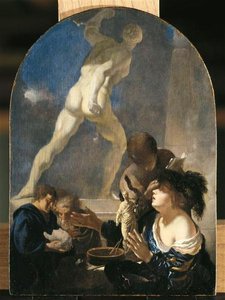

Defining the Genre: The Beauty of the Mundane
To the untrained eye, a painting of a quiet kitchen, a bustling marketplace, or a solitary figure reading by a window might seem deceptively simple. Yet, within the vast canon of art history, these works belong to one of the most intimate and profound traditions: genre painting. Unlike the grandiosity of historical epics or the divine symbolism of religious iconography, genre art finds its soul in the mundane. It is an art form that seeks to elevate the ordinary, finding extraordinary depth in the fleeting moments of human existence. This tradition does not rely on the spectacle of war or the mythos of gods; instead, it relies on the quiet dignity of the everyday, inviting the viewer to witness the shared rhythms of life that transcend time and geography.
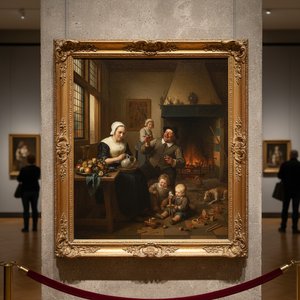
At its core, genre painting is an exercise in empathy and observation. It captures the textures of daily labor, the subtle nuances of social interaction, and the quiet solitude of domesticity. By focusing on the "small" moments—a shared glance between lovers, the heavy toil of a peasant, or the laughter of children in a village square—the genre painter creates a mirror for the viewer's own lived experience. This connection is what makes the genre so enduring; it reminds us that there is inherent value and beauty in our most routine activities, transforming the ephemeral snapshots of life into permanent, much-loved legacies of human emotion.
The Golden Age of Observation: Dutch and Flemish Mastery
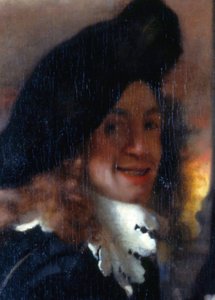
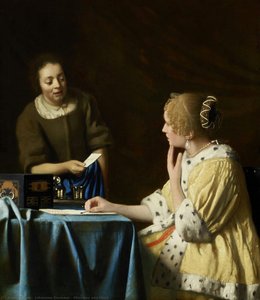
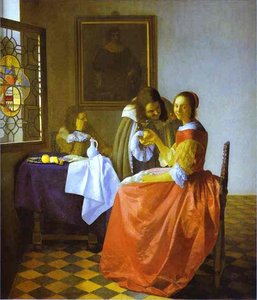
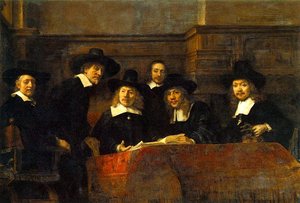
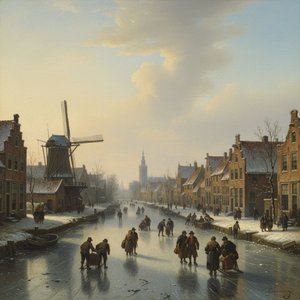
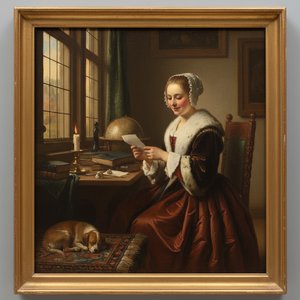
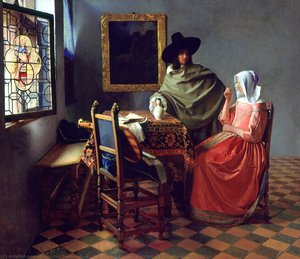
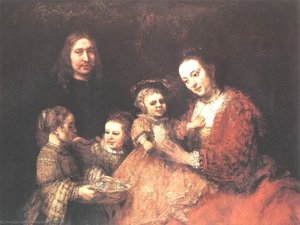
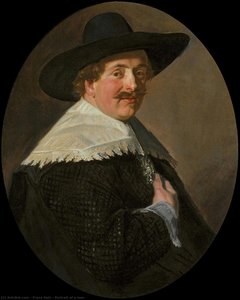
The zenith of genre painting was undoubtedly reached during the 17th-century Dutch Golden Age, a period when a burgeoning middle class sought art that reflected their own burgeoning prosperity and domestic values. Masters such as Adriaen van Ostade revolutionized the canvas by turning their gaze toward the humble taverns and peasant cottages of the Netherlands. These artists did not merely document scenes; they breathed life into them through a meticulous study of light and atmosphere. In works like those found in the Dutch tradition, one can almost smell the warmth of a crowded inn or feel the cool dampness of a misty morning in a village scene.
The brilliance of this era lay in its technical sophistication and its ability to weave narrative into realism. Artists like Joost Cornelisz Droochsloot utilized vibrant, yet grounded, palettes to depict lively village scenes that felt both historically significant and vibrantly alive. The mastery of light—often referred to as the "soul" of Dutch painting—allowed these artists to highlight the textures of coarse linen, the glint of pewter, and the soft glow of candlelight. Through this careful application of oil paint, the Dutch masters achieved a level of realism that turned simple domesticity into a profound meditation on the stability and sanctity of home life.
Global Perspectives: From Joseon Korea to Imperial Russia
While the European tradition offers a foundational pillar for genre art, the impulse to capture daily life is a universal human phenomenon, manifesting beautifully across diverse cultures. In the East, the Album of Genre Paintings by the Korean master Kim Hong-do stands as a breathtaking testament to the artistry of the Joseon Dynasty. His work captures the rhythmic vitality of Korean life, showcasing everything from communal teamwork to the quietude of rural labor with a sense of movement and grace that is uniquely East Asian. Here, the genre is not just about observation, but about celebrating the collective spirit and the intricate social fabric of a nation.
Moving toward the vast landscapes of the Russian tradition, we encounter the evocative works of Konstantin Yegorovich Makovsky. His "Genre Scenes" offer a window into a bygone era of Russian daily life, characterized by muted tones and textured brushstrokes that evoke a sense of nostalgia and profound atmospheric depth. Much like his Dutch predecessors, Makovsky utilized the genre to explore the social strata of his time, yet he infused his work with a specific Slavic melancholy and realism. This global tapestry of genre painting proves that whether in the bustling streets of Seoul or the quiet villages of Russia, the human desire to immortalize our shared existence remains a constant, driving force in the evolution of fine art.
Techniques of Realism: Capturing Light, Texture, and Human Emotion
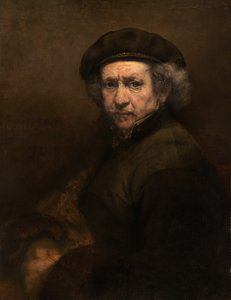
The success of a genre painting rests heavily upon the artist's technical command over their medium. To move beyond mere illustration and into the realm of true fine art, a painter must master the interplay of light and shadow—a technique known as chiaroscuro—to create volume and drama within a domestic setting. The ability to render the tactile quality of different surfaces is equally vital; the viewer should be able to distinguish between the rough grain of a wooden table, the soft sheen of silk, and the weathered skin of an elderly laborer. This level of detail requires a disciplined application of paint, often involving multiple layers to build a three-dimensional texture that catches the light.
Beyond the physical, the true challenge lies in capturing the intangible: emotion. A master genre painter uses composition and color temperature to guide the viewer's emotional response. A warm, amber glow might suggest the comfort of a hearth, while cooler, blue tones might evoke the loneliness of a winter twilight. By manipulating these elements, the artist imbues the scene with a psychological weight, ensuring that the painting is not just a record of what happened, but an exploration of how it felt. It is this marriage of technical precision and emotional intelligence that elevates a simple depiction of life into a timeless masterpiece.
The Legacy of the Everyday: How Genre Painting Shapes Modern Narrative
As we look toward the future of art, the legacy of genre painting continues to resonate within our modern visual language. The tradition of finding narrative in the unremarkable paved the way for much of the realism and impressionism that followed. Even in an age dominated by digital imagery, the fundamental principles of genre art—observation, empathy, and the elevation of the mundane—remain at the heart of compelling storytelling. We see its echoes in contemporary photography, cinema, and even the way we curate our own visual histories.
Ultimately, the study of genre painting teaches us to look closer at the world around us. It encourages a slower, more intentional way of seeing, where every shadow and every gesture holds potential meaning. By preserving these historical techniques and celebrating these timeless themes, we ensure that the beauty of the everyday is never lost to the passage of time. The genre painter’s mission remains as vital today as it was in the 17th century: to remind us that within the simplest moments of our lives, there exists a profound and enduring artistry.
At ArtsDot.com, we are dedicated to preserving this legacy of human creativity. Our studio specializes in creating high-quality, hand-painted oil reproductions that capture the very essence of the Old Masters. From the textured brushstrokes of Dutch realism to the vibrant narratives of global traditions, our artists use museum-grade materials and meticulous techniques to bring these historical masterpieces into the modern home. Whether you are looking for a custom commission from a personal photograph or a breathtaking Giclée print of a classical scene, ArtsDot offers an unparalleled experience in art appreciation and acquisition.