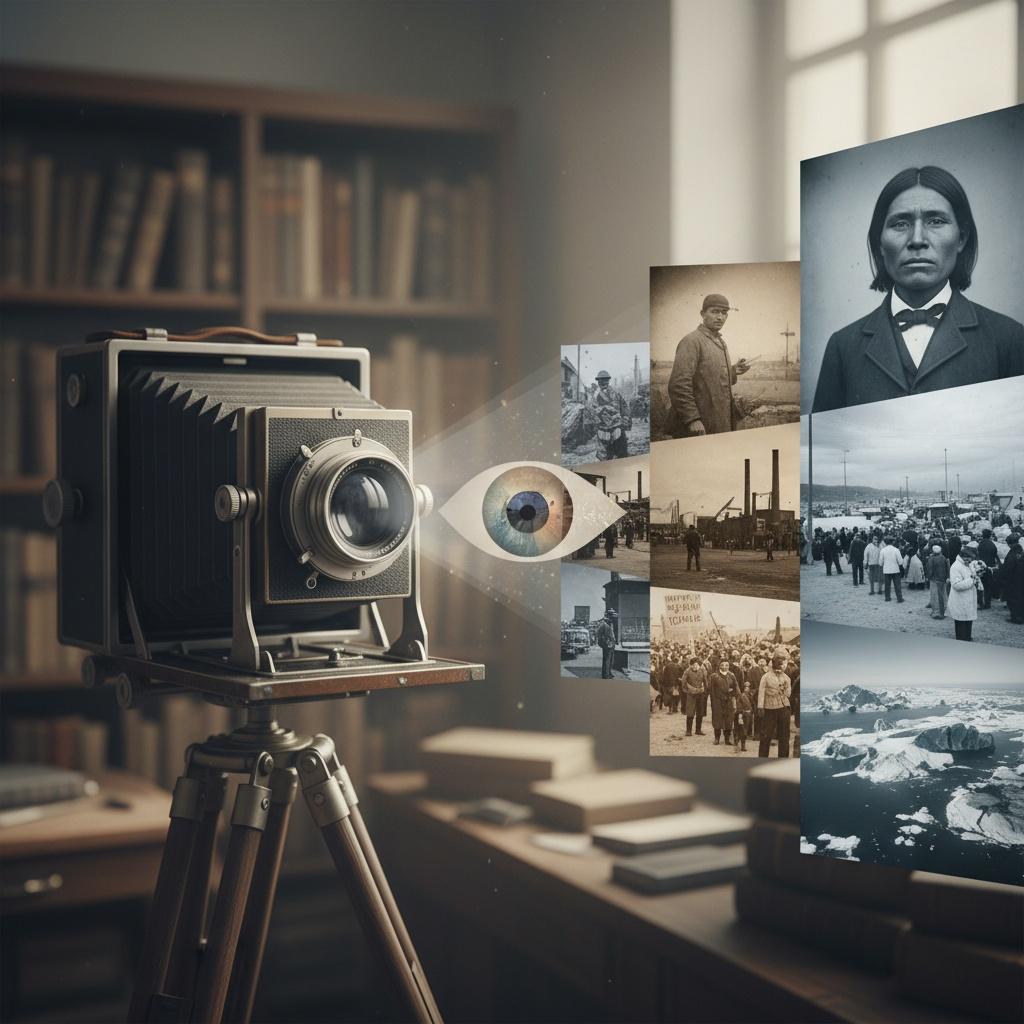


The Dawn of the Witness: From Early Daguerreotypes to the Birth of Visual Narrative
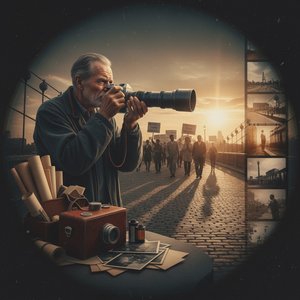
To look upon an early photograph is to engage in a silent dialogue with a ghost. In the mid-19th century, the arrival of the daguerreotype offered humanity something previously unimaginable: the ability to freeze time with a chemical precision that even the most skilled painter could scarcely replicate. This was not merely a technological milestone; it was a fundamental shift in our relationship with reality. Before the camera, history was interpreted through the subjective brushstroke; after its inception, the world began to demand an objective witness.
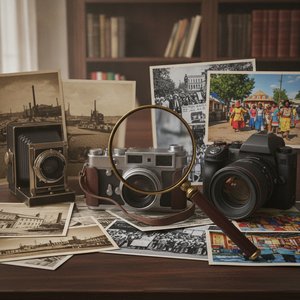
These early images were characterized by a profound stillness, born of necessity due to long exposure times that required subjects to remain motionless, almost statuesque. Yet, within this rigidity lay the seeds of a new narrative form. The camera did not just record faces; it began to document the textures of existence—the grain of wood, the heavy folds of Victorian lace, and the stark light of a vanishing era. This period marked the transition from photography as a scientific curiosity to photography as a vessel for memory, setting the stage for a medium that would eventually learn to move, to breathe, and to protest.
Capturing the Human Condition: The Rise of Social Realism and the Power of Black and White
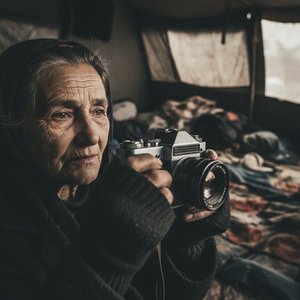
As the medium matured, it shed its formal stiffness and embraced the raw, unvarnished truth of the streets. The emergence of social realism transformed the camera into a tool of profound empathy and social critique. Photographers began to turn their lenses away from the elite and toward the marginalized, finding beauty in the struggle and dignity in the shadows. This era saw the mastery of black and white photography, a stylistic choice that stripped away the distractions of color to focus on the essential elements of composition: light, shadow, and form.
In the stark contrasts of monochrome, the human condition becomes universal. The absence of color forces the viewer to confront the geometry of grief or the rugged texture of resilience. When we examine the works of masters who documented the hardships of the Great Depression or the urban shifts of the early 20th century, we see that the lack of hue serves to heighten the emotional gravity. The silver halides on the film captured not just light, but the very weight of existence, turning a simple portrait into a monumental testament to human endurance.
Industrial Echoes: Documenting Labor, Landscapes, and the Striving of Modernity
The industrial revolution brought with it a landscape of iron, steam, and sweat, providing a new and formidable subject for the documentary eye. The camera became an essential chronicler of the changing face of modernity, capturing the monumental scale of human industry alongside the intimate toll it took on the individual. We see this reflected in works such as Penny Diane Wolin’s Oil Field Roughneck, where the starkness of the Wyoming landscape meets the isolation of manual labor. Such images do more than record a job; they capture the psychological atmosphere of an era defined by grit and solitude.
Similarly, the documentation of agricultural life, such as Frances Benjamin Johnston’s 1900 albumen prints, reveals a delicate tension between nature's bounty and human industry. These photographs serve as a bridge between the organic world and the encroaching machine age. Even in the more somber depictions of urban decay, like Andrzej Rożycki’s The Forge, we find a profound commentary on social shifts. Through these lenses, the industrial landscape is not merely a backdrop of factories and fields, but a living, breathing character in the ongoing drama of human progress and its inevitable consequences.
From Archive to Art: How Documentary Photography Redefined the Boundaries of Fine Art
For much of its history, documentary photography struggled to be recognized within the hallowed halls of fine art, often relegated to the status of mere reportage or historical record. However, a slow and deliberate evolution occurred as critics and collectors began to recognize the profound aesthetic intentionality behind the "decisive moment." The composition, the manipulation of light, and the curation of the frame were revealed to be as much an act of artistic creation as any oil painting on canvas.
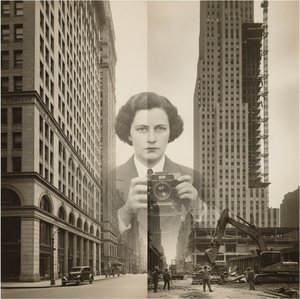
The boundary between the documentarian and the artist began to blur. When a photographer chooses a specific angle to evoke a sense of loneliness, or waits for a particular slant of light to highlight the texture of a weathered face, they are engaging in the same symbolic language as the Old Masters. Today, we recognize that the documentary image possesses a unique "living" quality—a tactile truth that challenges the boundaries of traditional media. This intersection of reality and artistry has allowed photography to claim its rightful place in the global art canon, enriching our visual culture with a depth that is both historically grounded and aesthetically transcendent.
The Digital Shift: Preservation, Authenticity, and the Future of the Photographic Record
In our contemporary era, the digital revolution has presented both a triumph and a crisis for the documentary tradition. The ease of image creation has led to an unprecedented deluge of visual information, making the role of the curator and the historian more vital than ever. As we navigate an age of digital manipulation, the concept of "authenticity" has become a central theme in art discourse. How do we preserve the integrity of the photographic record when the pixels themselves can be rearranged at will?
Yet, within this challenge lies a new frontier for preservation and appreciation. Technologies that allow us to archive, restore, and even reimagine historical images ensure that the lessons of the past remain accessible to future generations. Whether through high-fidelity Giclée prints that capture every nuance of a silver gelatin print or through the digital reconstruction of lost archives, we are finding new ways to honor the original intent of the witness. The evolution of documentary photography is far from over; it continues to adapt, ensuring that as long as there is a human story to be told, there will be a lens to capture its truth.
At ArtsDot.com, we celebrate this entire continuum of visual history. From the preservation of classical aesthetics to the celebration of modern photographic narratives, our mission is to bring the profound impact of art into your personal space. Whether you seek a meticulously handcrafted oil reproduction of a historical masterpiece or wish to transform a contemporary photograph into a timeless work of fine art, we provide the expertise and craftsmanship to ensure that every image tells a story worth remembering.