The Soul of the Subject: The Psychological Depth of Classical Portraiture
To gaze upon a classical portrait is to engage in a silent, profound dialogue with a soul long departed from the physical realm. Beyond the mere recording of facial features, the true mastery of the genre lies in its ability to capture the intangible essence of human character. A portrait is never simply a mirror; it is an interpretation of identity, a carefully constructed narrative of status, intellect, and emotion. When we observe works such as William Bill Alexander’s Portrait Of A Mandarin, we are not merely seeing a figure in fine attire, but experiencing the refined elegance and cultural weight that the subject carries within their very posture.
The artist serves as a psychological investigator, utilizing every subtle nuance of expression to reveal the sitter's inner world. A slight furrow of the brow, a distant gaze, or a confident tilt of the head can communicate volumes about a person's triumphs and tribulations. This depth transforms the canvas from a flat surface into a window of human experience, allowing the viewer to connect with the humanity of the subject across the vast expanses of time. It is this pursuit of psychological truth that elevates portraiture from mere documentation to high art, creating a lasting resonance that continues to captivate the modern observer.
Mastering Light and Shadow: Chiaroscuro and the Art of Presence
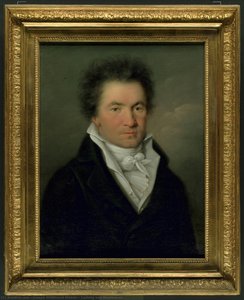
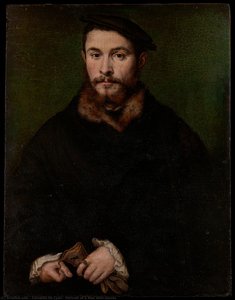
The architecture of a great portrait is built upon the interplay of light and darkness. This technique, famously known as chiaroscuro, provides the necessary drama to breathe life into a two-dimensional plane. By strategically manipulating light, masters like Thomas Worlidge in his 1755 Portrait of a Man were able to sculpt form outates of the shadows, creating a sense of three-dimensional volume and weight. The way light falls across a cheekbone or catches the glint of an eye creates a palpable sense of presence, making the subject feel as though they occupy the same physical space as the viewer.
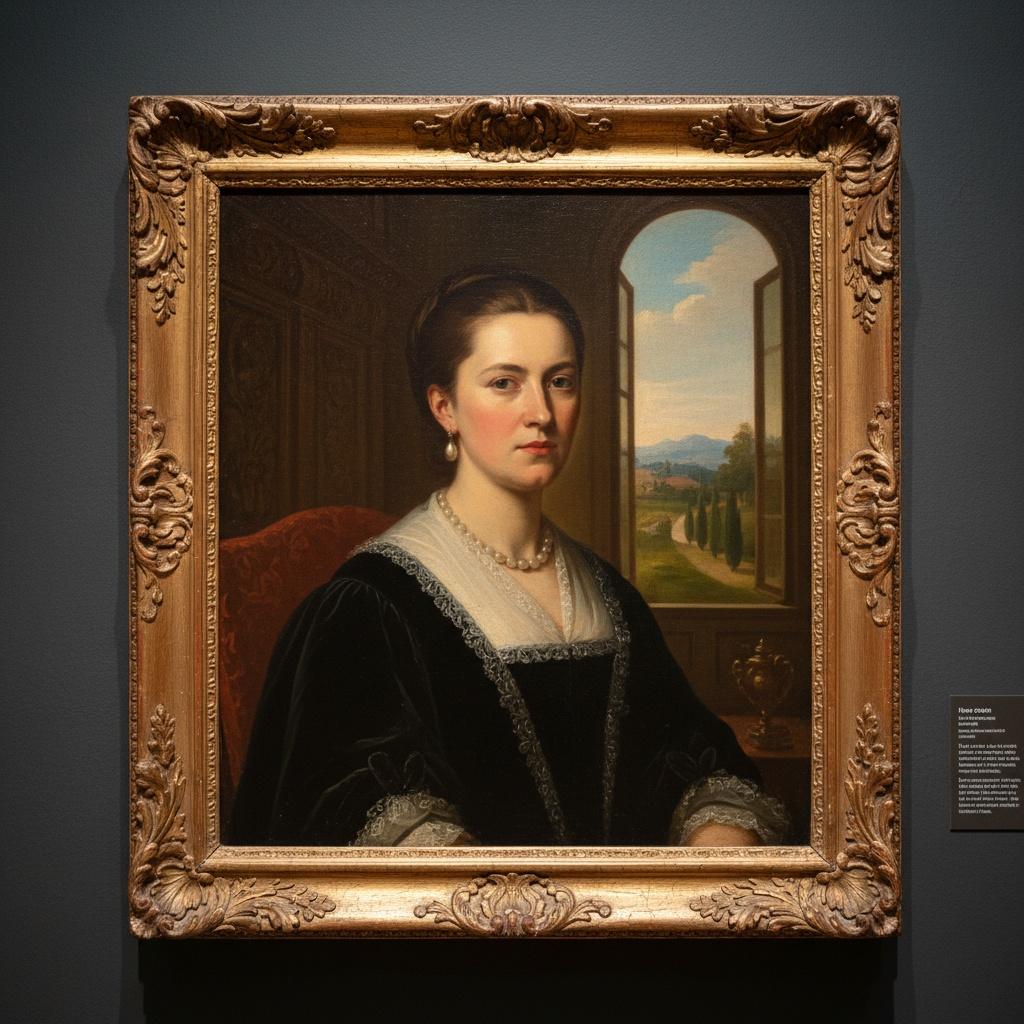
This dramatic lighting does more than just define shape; it directs the emotional rhythm of the painting. Deep, velvety shadows can evoke mystery, melancholy, or the gravity of importance, while bright, focused highlights can suggest clarity, divinity, or sudden vitality. In the 19th-century works of Samuel Howell, such as his Portrait of a Man in a Chair, we see how rich textures and careful light placement work in harmony to create an atmosphere of quiet dignity. Through the careful management of luminance, the artist dictates where our eyes linger and how our hearts respond to the unfolding visual drama.
From Nobility to Narrative: The Evolution of Portraiture Through the Centuries
The history of portraiture is a chronicle of shifting social tides and changing definitions of importance. In earlier eras, the genre was often an exclusive domain of the aristocracy and the clergy, designed to immortalize power, lineage, and divine right. These works were characterized by opulence, featuring intricate lace, heavy silks, and symbols of heraldic authority. However, as the centuries progressed, the scope of portraiture expanded significantly. The rise of the middle class and the democratization of art allowed for a more diverse range of subjects, moving from the grand halls of palaces to the intimate settings of everyday life.
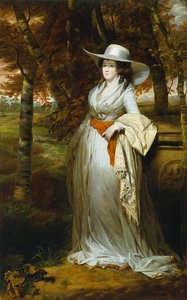
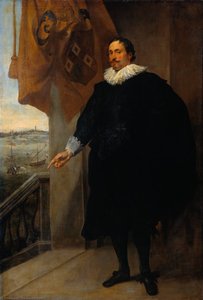
This evolution saw the emergence of artists like John Greenwood, who moved beyond the singular figure to capture historical narratives and groundbreaking full-length compositions. The focus shifted from purely celebrating status to documenting history and individual character. Even in more recent decades, the spirit of the genre persists through artists like Paul Brason, who continues the tradition of capturing prominent figures—academics, professionals, and nobility—with a contemporary elegance. This progression demonstrates that while the subjects may change, the fundamental desire to capture a meaningful likeness remains a constant thread in the tapestry of human creativity.
The Tactile Legacy: Texture, Pigment, and the Permanence of Oil on Canvas
There is a visceral, sensory dimension to classical portraiture that digital mediums struggle to replicate: the physical presence of the paint itself. The longevity and beauty of these works are deeply rooted in the chemistry of their creation. The use of heavy-duty cotton canvas and premium pigments with high lightfastness ensures that the vibrant hues of an 18th-century masterpiece do not fade into obscurity. When an artist applies multiple layers of oil paint, they are building a topography of texture. This impasto technique—where the brushstrokes are thick and visible—creates a "living" quality that catches the light and provides a tactile depth.
The mastery of materials is what allows these works to endure for generations. The application of flexible gesso prevents the dreaded cracking of the surface, while specific oils, such as safflower, are utilized in lighter tones to prevent the yellowing that can plague lesser works. Finally, a protective coat of Damar varnish seals the masterpiece against the elements, shielding it from dust and moisture. This dedication to technical excellence ensures that the artist's original intent—the very texture of their passion—remains preserved, allowing future collectors to experience the same breathtaking detail as the day the paint first dried.
Preserving the Gaze: Modern Methods for Honoring Historical Masterpieces
In our contemporary era, the challenge lies in how we bridge the gap between the ancient traditions of the Old Masters and the modern desire for personalized expression. We no longer live in an age where only royalty can commission a portrait, yet the reverence for classical aesthetics remains undiminated. Today, technology allows us to reimagine art history through sophisticated reproduction and customization. We see the rise of "period shifts," where modern memories are transformed into 17th-century masterpieces, or personal photographs are reimagined through the stylistic lens of the Impressionists.
This preservation of the classical spirit is achieved through a meticulous blend of human artistry and modern precision. Whether it is through high-fidelity Giclée prints that utilize 12-color pigment inks for century-long durability, or hand-painted oil reproductions that painstakingly recreate every brushstroke of a museum original, the goal remains the same: to keep the flame of classical elegance burning. By offering everything from large-format architectural murals to custom family portraits, we ensure that the profound beauty of the portraiture tradition continues to grace the walls of homes and galleries across the globe, maintaining a vital connection to our shared cultural heritage.
At ArtsDot.com, we are dedicated to this very mission of preservation and accessibility. As a global leader in art reproduction and custom commissions, we provide a bridge between the timelessness of the Old Masters and the modern collector. From exquisite hand-painted oil recreations to museum-quality prints, our platform offers unparalleled expertise in bringing the grandeur of classical portraiture into the contemporary home.