The Imperial Legacy: Vienna as a Canvas of European Grandeur
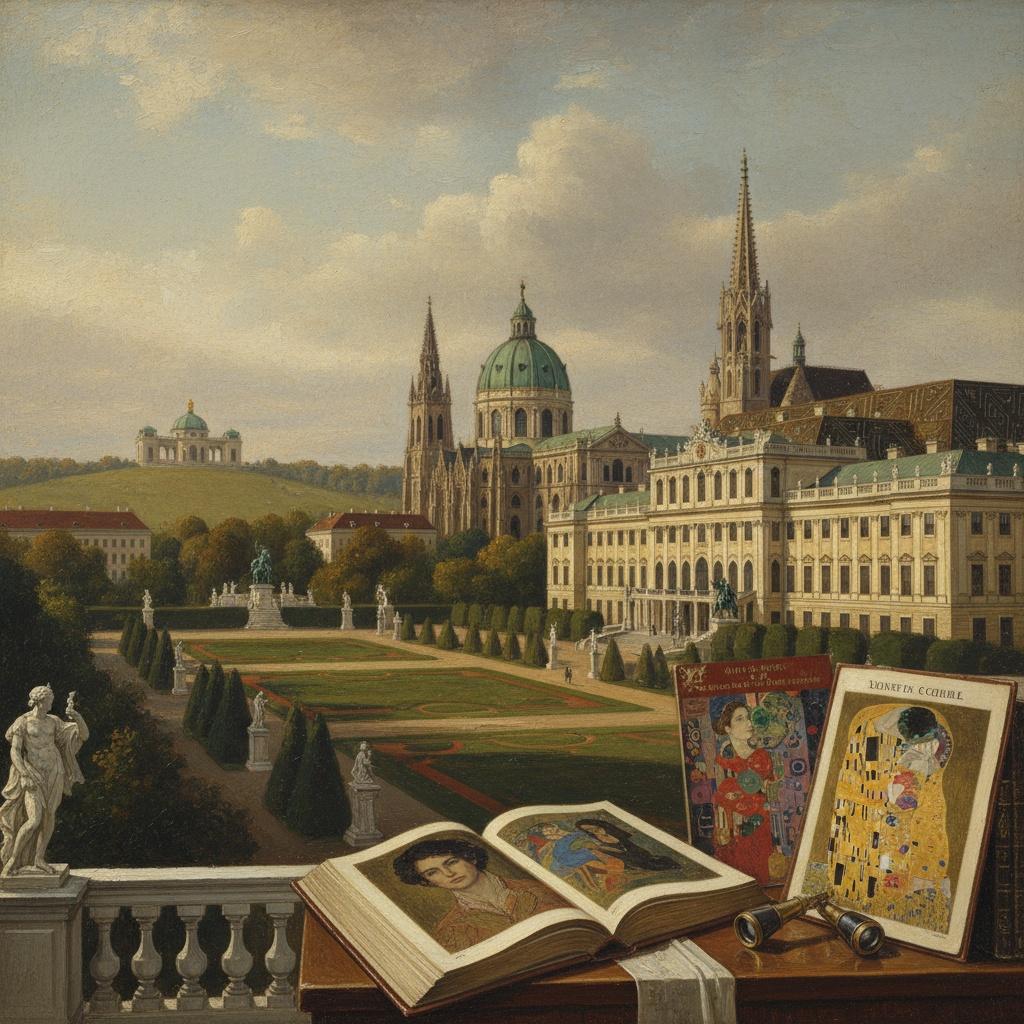
To wander through the streets of Vienna is to traverse a living museum, where every cobblestone and gilded cornice whispers tales of an era defined by unparalleled splendor. For centuries, the Habsburg Monarchy transformed this Danubian capital into the beating heart of a vast empire, fostering a cultural climate where art, music, and architecture were not merely decorative pursuits but essential pillars of statecraft and identity. This imperial legacy is etched into the very fabric of the city, manifesting in a profound sense of permanence and grandeur that continues to captified the imagination of the global art enthusiast.
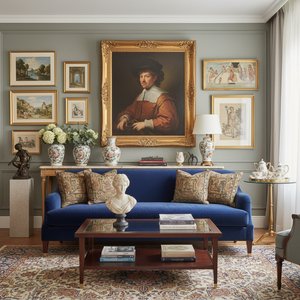
The aesthetic of old Vienna was one of layered histories, where the heavy, baroque opulence of the Catholic Church met the refined, aristocratic sensibilities of the imperial court. This era produced a visual language of power—vast palaces, sweeping boulevards, and ornate monuments designed to evoke awe and reinforce the stability of the crown. When we contemplate these historical landscapes today, we are not merely looking at ruins or relics; we are engaging with a deliberate artistic statement of endurance. It is this profound connection between political identity and aesthetic expression that makes Vienna an unparalleled subject for those who seek to capture the essence of European nobility through fine art.
Architectural Symphonies: The Secessionist Revolution and Otto Wagner
As the nineteenth century drew to a close, a seismic shift occurred within the Viennese consciousness, marking the transition from historical revivalism to a daring new modernity. This period saw the birth of the Wiener Secession, a movement that sought to break free from the stifling academic traditions of the past. At the forefront of this architectural and artistic revolution stood Otto Wagner, a visionary whose work acted as a bridge between the classical weight of the imperial era and the streamlined efficiency of the coming modern age.
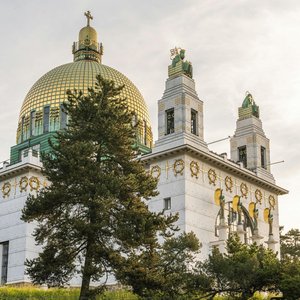
Wagner’s genius lay in his ability to harmonize functional urban innovation with an exquisite sense of ornament. His contributions to the city, such as the iconic Karlsplatz Pavilion, demonstrate a masterful command of geometric forms and structural clarity. In these works, one observes a departure from the heavy, narrative-driven sculptures of the Baroque toward a more rhythmic, almost musical, arrangement of space and material. The Secessionist movement was not merely an aesthetic choice; it was a philosophical rebellion, asserting that art should reflect the pulse of contemporary life while maintaining a connection to the sublime beauty of nature and geometry.
Geometric Elegance: Art Nouveau and the Modernization of the Viennese Skyline
The modernization of Vienna brought with it a unique interpretation of Art Nouveau, often referred to as Jugendstil. Unlike the more organic, flowing lines found in French or Belgian counterparts, the Viennese iteration embraced a sophisticated structural discipline. This is perhaps most evident in Wagner’s approach to urban infrastructure, where the beauty of the machine age began to merge with classical elegance. The Austrian Postal Savings Bank stands as a testament to this era, showcasing how marble, aluminum, and glass could be utilized to create a masterpiece of Beaux-Arts modernism.
This period of architectural evolution introduced a new vocabulary of texture and light to the Viennese skyline. The use of repetitive patterns, gilded accents, and carefully balanced proportions created an urban environment that felt both avant-garde and deeply rooted in tradition. For the collector of fine art, this era offers a rich tapestry of inspiration, where the interplay of shadow and light on polished surfaces provides a sense of depth and movement that is as intellectually stimulating as it is visually breathtaking. The skyline became a canvas for exploring how modern materials could serve the timeless pursuit of beauty.
The Golden Age of Ornament: Symbolism and Decorative Arts in the Habsburg Era
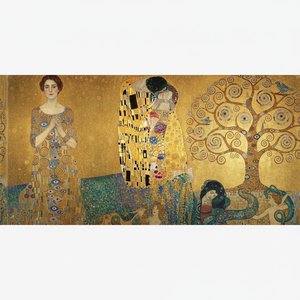
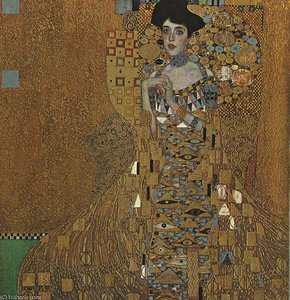
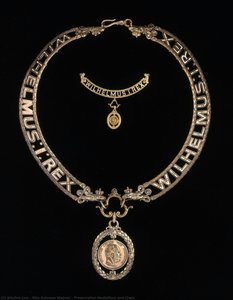
Beyond the grand facades of public buildings, the true soul of Viennese elegance resided in the intimate details of the decorative arts. The late Habsburg era was a golden age of craftsmanship, where every object—from silver tea services to intricately carved furniture—was imbued with symbolic meaning. This was an era of profound symbolism, where floral motifs, mythological figures, and intricate gold detailing were used to communicate status, emotion, and even esoteric philosophical ideas.
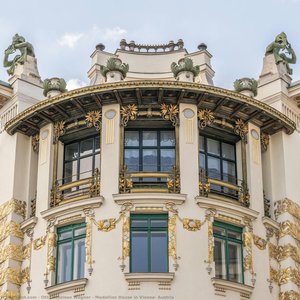
The Medallion House in Vienna serves as a quintessential example of this decorative mastery, featuring a Secessionist facade adorned with ornate medallions and symbolic beauty that defies the passage of time. This obsession with detail extended into the very interiors of the city's grandest residences, where every surface was an opportunity for artistic expression. The integration of fine arts into daily life created a holistic aesthetic experience, ensuring that even the most private spaces were enveloped in a sense of imperial grace. To study these decorative elements is to understand the true depth of the Viennese spirit—a commitment to excellence that treats every detail as a masterpiece in its own right.
Curating the Imperial Aesthetic: Bringing Viennese Sophistication into the Modern Home
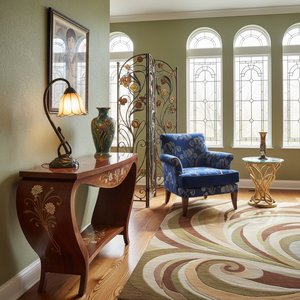
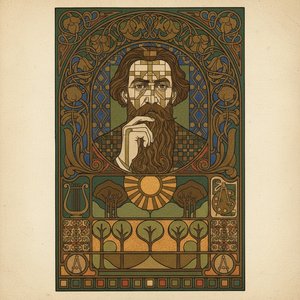
In the contemporary era, the allure of Vienna’s imperial elegance remains undiminished, offering a profound way for modern collectors to anchor their interiors with historical weight and sophistication. Incorporating elements of this aesthetic—whether through the structured lines of Wagnerian-inspired prints or the lush, symbolic textures of Art Nouveau reproductions—allows for a dialogue between the past and the present. The key to successful curation lies in honoring the balance of grandeur and restraint that defined the Austrian capital.
When selecting pieces to evoke this atmosphere, one should look for works that celebrate texture, light, and historical narrative. A well-placed reproduction of a Secessionist landscape or a detailed architectural study can transform a modern room into a sanctuary of classical thought. By integrating these timeless motifs, we do more than decorate; we preserve the legacy of an era that understood art to be the ultimate expression of human civilization. Through careful selection and an appreciation for the historical nuances of the Habsburg era, the spirit of Vienna can live on, providing a sense of enduring majesty to any space.
At ArtsDot.com, we are dedicated to preserving this global legacy of human creativity. From meticulously hand-painted oil reproductions that capture the tactile brushstrokes of the masters to high-fidelity Giclée prints that honor the intricate details of historical architecture, our mission is to make the world's most profound artistic movements accessible to all. Whether you are seeking a custom commission to reimagine your own history or looking to curate a collection inspired by the grandeur of Vienna, ArtsDot provides the expertise and craftsmanship necessary to bring museum-quality elegance into your home.