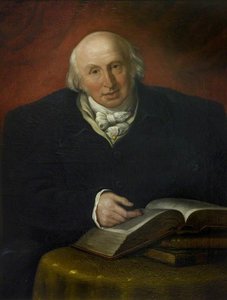
Early Life & Academic Foundations: A York Childhood and Royal Academy Training
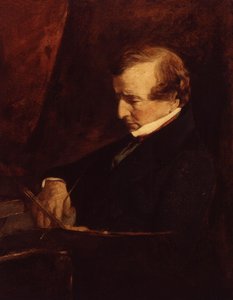 William Etty
William Etty (1787-1849): Explore the life & work of this British Royal Academician, famed for dramatic historical paintings and pioneering nude figures. Discover his controversial yet influential art!
William Etty, a name often whispered with a mixture of admiration and scandal, emerged from the relatively humble surroundings of York in 1787. His early life offered little indication of the artistic tempest he would become. Born into a family of millers, young William initially resisted the conventional path laid out for him, harboring instead a burgeoning passion for drawing that proved difficult to suppress. This nascent talent led him, at the remarkably young age of twelve, to an apprenticeship as a printer in Hull – a practical necessity that nonetheless allowed him glimpses into the world of visual communication. Seven years later, armed with newfound independence and unwavering resolve, Etty journeyed to London, seeking entry into the hallowed halls of the Royal Academy Schools in 1807.
The Academy proved a formative environment. Under the tutelage of Thomas Lawrence, then at the height of his powers, Etty immersed himself in the study of classical art and historical painting. His training was rigorous, centered on meticulous copying of works by the Old Masters – Rubens, Titian, and Veronese becoming particular touchstones. This dedication to foundational techniques instilled within him a profound respect for anatomy, composition, and the manipulation of light and shadow. However, Etty’s early years in London were marked not by immediate success but by quiet perseverance; he honed his skills diligently, earning recognition primarily for his ability to render realistic flesh tones – a talent that would soon become both his signature strength and a source of considerable controversy.
The Pioneering Nude: Challenging Victorian Conventions in Etty’s Art
 Wikipedia: William Etty
William Etty (10 March 1787 – 13 November 1849) was an English artist best known for his historical paintings containing nude figures. He was the first significant British painter of nudes and still lifes. Born in York, he left school at the age of ...
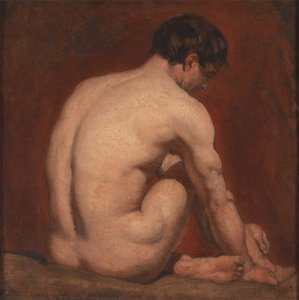
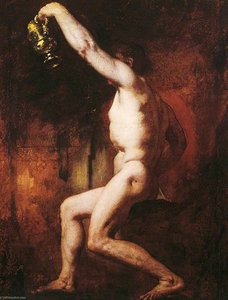
Etty's artistic trajectory took an audacious turn with his increasingly frequent depiction of the nude form. In an era defined by strict moral codes and societal constraints, this was a profoundly subversive act. While classical art had long embraced nudity as a celebration of human beauty, Victorian sensibilities demanded a degree of decorum that Etty often deliberately flouted. His paintings weren’t merely studies of the body; they were explorations of emotion, power, and vulnerability rendered with an unprecedented level of realism. Works like “The Saviour Or The Disciple” – showcasing a male figure imbued with both physical strength and introspective depth – exemplify this daring approach.
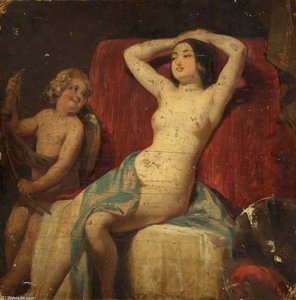
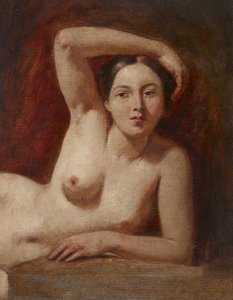
This willingness to confront societal norms wasn’t born of recklessness but from a deeply held artistic conviction. Etty believed that the human form, particularly the female nude, was the ultimate vehicle for expressing beauty and emotion. He sought not to shock or titillate, but to elevate the body to its rightful place as a subject worthy of serious artistic consideration. This pursuit inevitably led to accusations of indecency and moral corruption, yet Etty remained steadfast in his vision, pushing the boundaries of acceptable art with each successive canvas.
Historical Narratives & Mythological Subjects: Dramatic Compositions and Emotional Depth
Beyond the controversy surrounding his nudes, Etty was a masterful storyteller. His historical paintings weren’t simply recreations of past events; they were dramatic interpretations infused with emotional intensity and psychological insight. He gravitated towards subjects that allowed him to showcase both his technical prowess and his fascination with human drama – scenes from Roman history, biblical narratives, and classical mythology providing fertile ground for exploration.
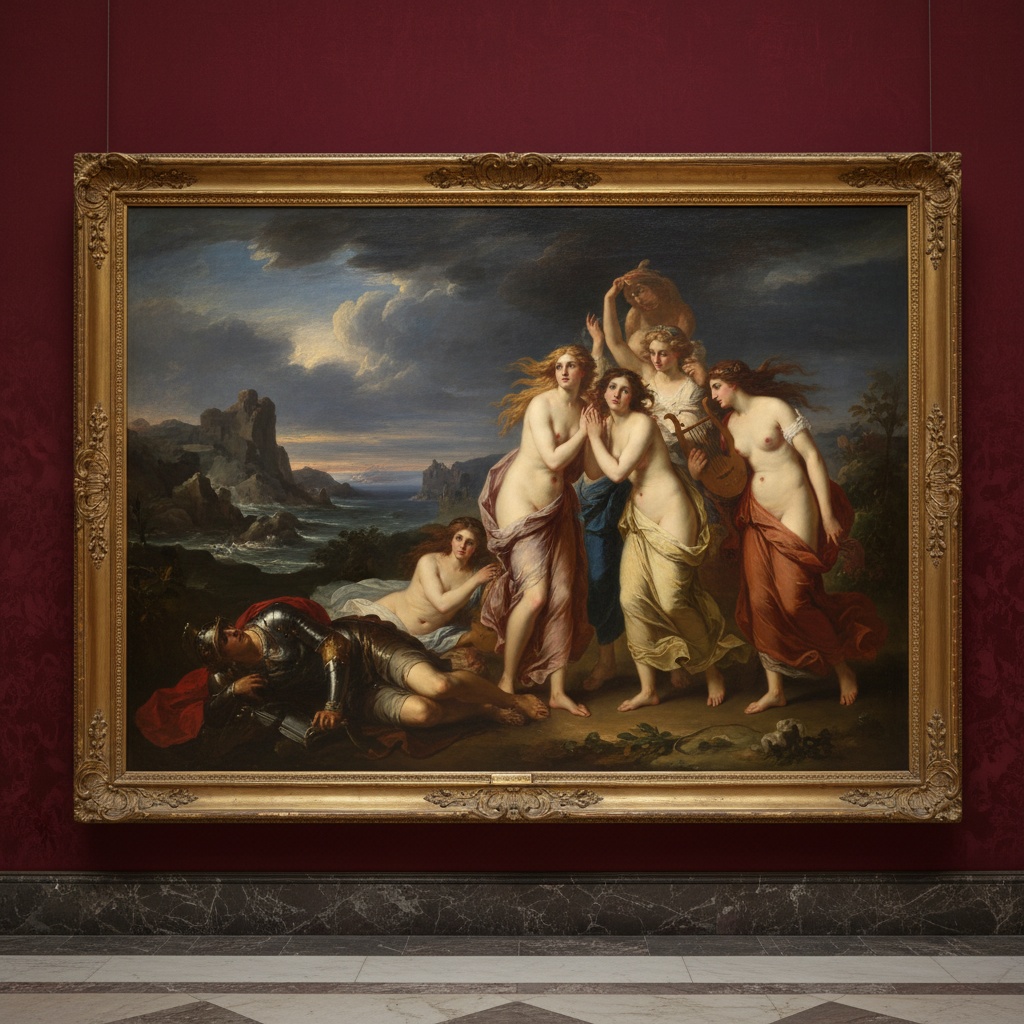
Consider “Manlius Hurled From The Rock (1818),” a powerful depiction of sacrifice and betrayal. Etty’s composition is dynamic, the figures contorted in expressions of anguish and despair. His use of chiaroscuro – the dramatic interplay of light and shadow – heightens the emotional impact, drawing the viewer into the heart of the scene. Similarly, his biblical works, such as “Benaiah,” demonstrate a keen understanding of narrative tension and character psychology. Etty wasn’t merely painting bodies; he was painting moments of profound human experience.
Etty's Critical Reception: Controversy, Acclaim, and the Shifting Sands of Taste
The reception of Etty’s work during his lifetime was remarkably polarized. While he garnered considerable acclaim from fellow artists and a dedicated following among discerning collectors, he also faced relentless criticism from those who deemed his subject matter scandalous and morally reprehensible. The sheer number of nude figures in paintings like “Cleopatra's Arrival in Cilicia” – which achieved significant success in 1821 – provoked outrage in some quarters, leading to accusations of vulgarity and a reputation for indecency.
Despite this controversy, Etty’s talent was undeniable. His election as a Royal Academician in 1828 – the highest honor available to an artist at the time – signaled his acceptance into the artistic establishment. However, even within the Academy, he remained something of an outlier, continuing to study life classes throughout his career – a practice considered inappropriate by many of his peers. This unwavering commitment to his craft, coupled with his unique vision, ultimately secured his place as one of the most respected and influential artists of his generation.
Technical Mastery & Artistic Process: Realistic Flesh Tones and Old Master Influences
Etty’s remarkable ability to render realistic flesh tones was central to his artistic success. He meticulously studied anatomy, spending countless hours observing the human form in life classes – a dedication that allowed him to capture the subtle nuances of light and shadow on skin with unparalleled accuracy. This technical mastery wasn’t merely about replicating physical appearance; it was about imbuing his figures with a sense of vitality and presence.
His process involved layering oil paints in thin glazes, building up color and texture gradually to create a luminous effect. He drew heavily on the techniques of the Old Masters – Rubens’s dynamic compositions, Titian’s rich palette, and Veronese’s mastery of light all informing his own artistic approach. However, Etty wasn’t simply imitating these artists; he was synthesizing their influences into something uniquely his own – a style characterized by dramatic compositions, emotional intensity, and an unwavering commitment to realism.
Legacy and Reassessment: Etty’s Enduring Impact on British Art History
Following Etty's death in 1849, his works initially enjoyed considerable collectibility. However, changing tastes led to a decline in his popularity during the late 19th century, with imitators abandoning his style and the value of his paintings plummeting. For much of the 20th century, he remained largely forgotten outside his native York.
Thankfully, recent scholarship has sparked a renewed interest in Etty’s art. Landmark exhibitions – such as “Exposed: The Victorian Nude” at Tate Britain (2001-02) and the major retrospective at the York Art Gallery (2011-12) – have brought his work to a wider audience, prompting a reassessment of his place in British art history. Today, Etty is recognized as a pioneering figure who challenged societal norms, pushed the boundaries of artistic expression, and left an enduring legacy that continues to inspire artists and captivate audiences. Discover the captivating world of William Etty with ArtsDot.com, where you can explore high-quality reproductions of his masterpieces and delve deeper into the life and work of this remarkable artist.