Early Life & Training: From Silk Manufacturing to Royal Academy Aspirations
The trajectory of Henry William Pickersgill’s life reads as a fascinating departure from predetermined paths, a testament to the power of latent talent and the burgeoning opportunities afforded by a changing England. Born in London in 1782, young Pickersgill found himself not amidst palettes and easels, but within the bustling world of Spitalfields silk manufacturing. Adopted by a Mr. Hall, his early years were dedicated to the family business – a practical upbringing intended to secure a stable future. However, the disruption caused by wartime conditions proved pivotal. The difficulties faced by the silk trade allowed Pickersgill to pursue a calling that had long simmered beneath the surface: painting. This transition wasn’t abrupt; it was nurtured through initial studies with landscape artist George Arnald between 1802 and 1805, providing a foundational understanding of composition and observation before he formally entered the prestigious Royal Academy Schools in November 1805. This period marked not merely an enrollment in an institution, but an immersion into the heart of artistic convention, where the ideals of Raphael and Reynolds still held sway – ideals Pickersgill would later subtly challenge.
The Rise of Portraiture: Capturing Victorian Society's Prominent Figures
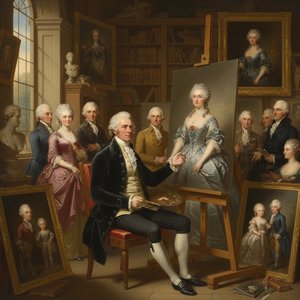
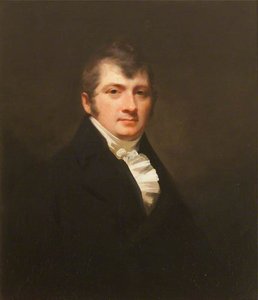
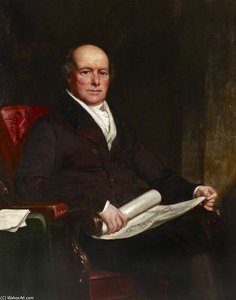
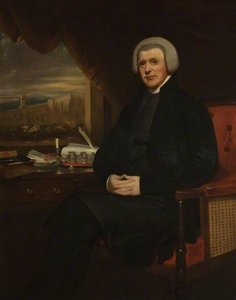
Pickersgill’s early explorations encompassed landscapes and classical themes, but it was portraiture that ultimately defined his career. He possessed a remarkable ability to capture not just likeness, but *character*. His first exhibited work at the Royal Academy – a portrait of his benefactor, Mr. Hall – signaled his commitment to this genre. Over a prolific lifetime, he presented an astonishing 384 paintings to the public, becoming a chronicler of Victorian society’s most notable individuals. His studio became a destination for those seeking not merely a representation of their features, but a carefully constructed image reflecting their status and aspirations. Robert Peel, William Wordsworth, George Stephenson – these were not simply subjects; they were embodiments of an era undergoing rapid transformation, and Pickersgill understood the weight of that responsibility. His election as an associate member in 1822, followed by full membership in 1826, solidified his position amongst the artistic elite.
Pickersgill’s Narrative Style: Realism, Detail, and the Depiction of Character
What distinguished Pickersgill from many of his contemporaries was a commitment to realism that wasn't merely technical proficiency but a deliberate stylistic choice. While others favored grand allegories or idealized forms, Pickersgill sought accuracy – a sober and precise rendering of his sitters. This isn’t to say his portraits lacked artistry; quite the contrary. He masterfully employed detail to convey personality, subtly revealing nuances in expression and posture that spoke volumes about the individual's inner life. His brushwork, though refined, wasn’t invisible. It possessed a texture that lent authenticity to the depictions, avoiding the overly polished surfaces common in some academic circles. This approach resonated with a growing audience who valued honesty and directness over artifice.
Domestic Interiors as Social Commentary: Reflecting Reform & Middle-Class Values
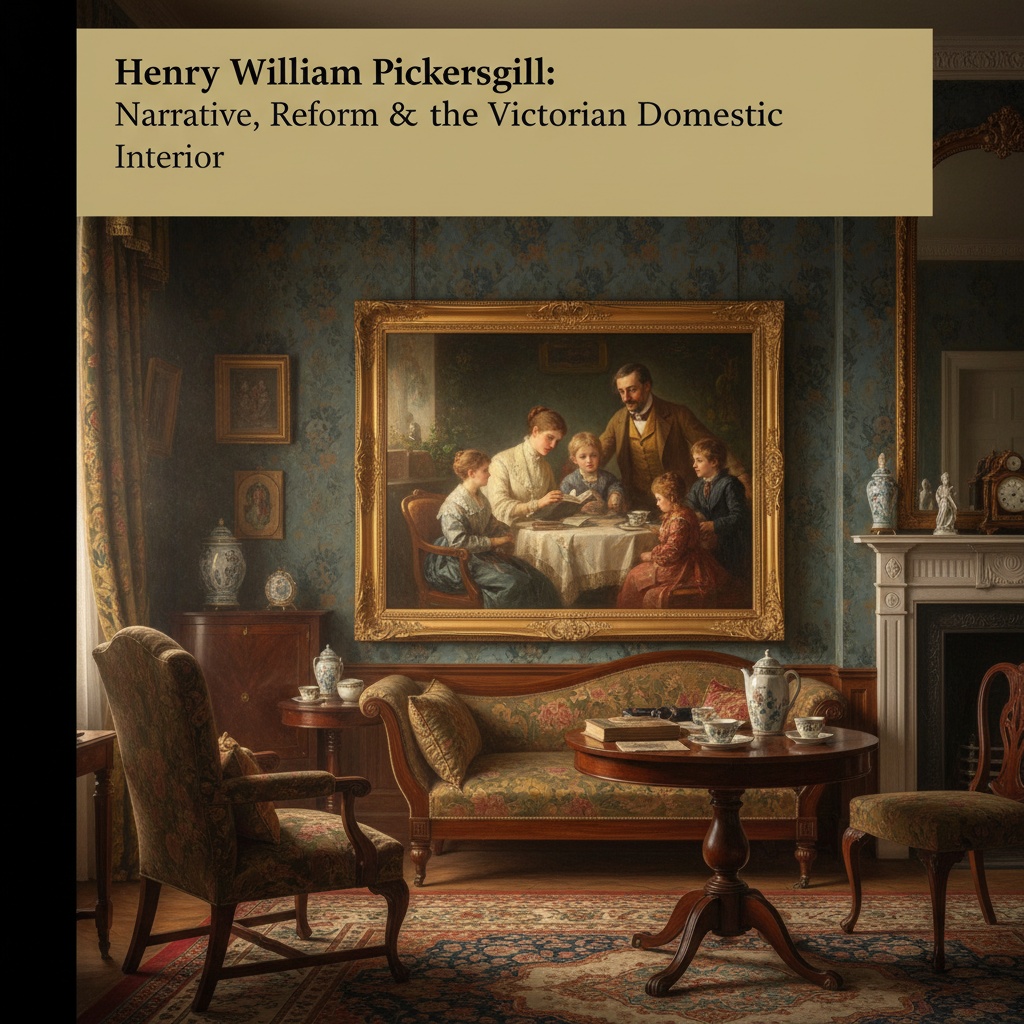
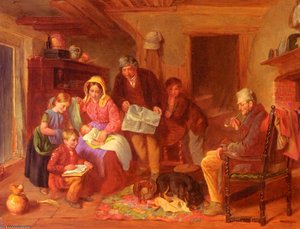
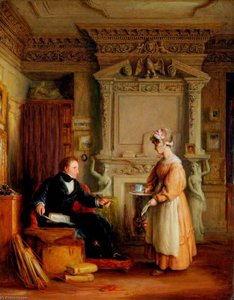
Pickersgill’s portraits often extended beyond the individual to encompass their surroundings, particularly domestic interiors. These weren't simply backdrops; they were carefully chosen settings that offered insights into the sitters’ lives and values. As the middle class gained prominence, Pickersgill’s work increasingly reflected this shift in societal power dynamics. He depicted comfortable homes filled with books, musical instruments, and objects of personal significance – symbols of education, refinement, and prosperity. These paintings weren't merely celebrations of wealth; they subtly underscored the importance of domesticity as a cornerstone of Victorian morality and social stability. The very act of portraying these spaces was a commentary on the changing landscape of British society, acknowledging the rising influence of those outside the traditional aristocracy.
Beyond Portraits: Exploring Pickersgill’s Diverse Subject Matter & Orientalist Influences
While renowned for his portraits, Pickersgill's artistic curiosity extended to other subjects. His painting of James Silk Buckingham and his wife Elizabeth in Arab costume (1816) is particularly noteworthy. This work reflects both the fashion for Orientalism prevalent at the time – a fascination with the exotic East – and Buckingham’s own travels. It wasn’t simply an exercise in depicting foreign attire; it was a complex representation of cultural exchange, albeit viewed through a distinctly Victorian lens. This foray into Orientalist themes demonstrates Pickersgill's willingness to engage with contemporary trends while maintaining his signature realism. The National Portrait Gallery, London, holds over 50 of his portraits, including numerous engravings, offering a comprehensive view of his diverse oeuvre and the breadth of his artistic skill.
Legacy & Influence: Pickersgill's Place in Victorian Art History
Henry William Pickersgill’s long career – spanning nearly seventy years – left an indelible mark on Victorian art. His dedication to accurate portraiture, coupled with his subtle narrative style, established him as one of the pre-eminent painters of his day. From 1856 to 1864, he served as librarian of the Royal Academy, further solidifying his position within the artistic establishment. His retirement in 1872 marked the end of an era, and his death at the age of 93 brought a close to a life dedicated to capturing the essence of Victorian society. While later generations may have favored more avant-garde styles, Pickersgill’s legacy lies in his ability to portray individuals with dignity, honesty, and a keen understanding of the social forces shaping their world. His works continue to offer invaluable insights into the lives, values, and aspirations of 19th-century Britain. Explore these masterpieces today – reproductions available at ArtsDot, bringing the elegance and detail of Pickersgill’s vision into your home.