The Genesis of a Conceptual Pioneer
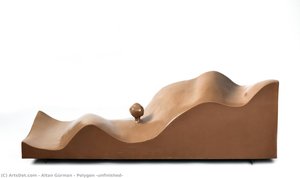
Altán Gürman (1935–1976) was far more than a painter; he was a radical catalyst who fundamentally altered the trajectory of Turkish modernism. Born in Ankara, his artistic consciousness was shaped by the rigorous training he received at the Istanbul State Academy of Fine Arts (IDGSA). While his early years were rooted in the mastery of traditional painting and screen printing, it was his transformative period in Paris that truly ignited his revolutionary spirit. Immersed in the vibrant European avant-garde, Gürman sought to dismantle the sanctity of the medium, famously expressing a desire to forget all previous artistic knowledge to embark on a profound, fresh start. This intellectual hunger allowed him to bridge the gap between classical technique and the burgeoning movement of conceptualism, setting the stage for an oeuvre that would forever challenge the boundaries of what constitutes art.
The Alchemy of the Everyday
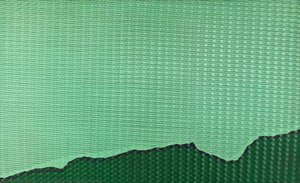
What distinguished Gürman from his contemporaries was his uncanny ability to find the extraordinary within the mundane. He rejected the grand, decorative narratives prevalent in his era, opting instead for a visceral engagement with reality through texture and substance. His practice became an exploration of how the boundaries between the canvas and the physical world could be dissolved. By incorporating elements such as
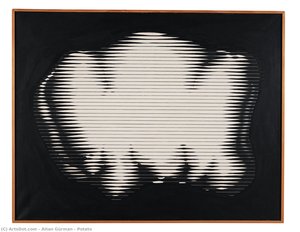
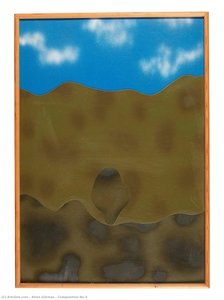
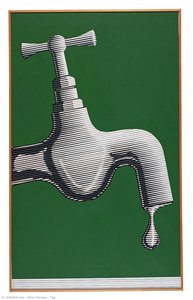
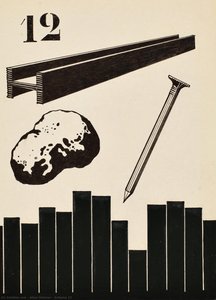
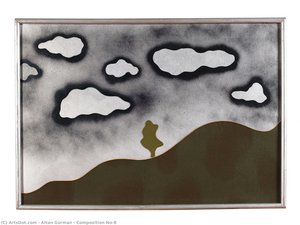
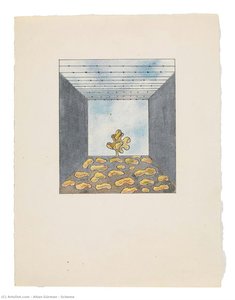
printed fabrics, ropes, coal, and even organic matter like sugar beets and potatoes, he transformed ordinary objects into potent symbols of human existence. This technique was a deliberate philosophical stance, intended to bridge the distance between personal expression and the object itself. His works often achieved a striking tension through:
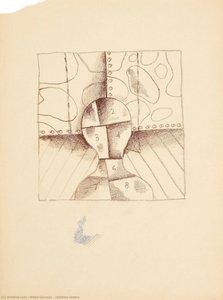
- The meticulous precision of geometric abstraction
- The raw, tactile presence of ready-made materials
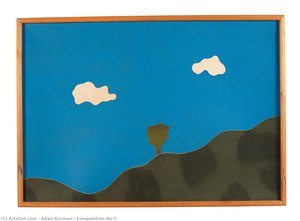
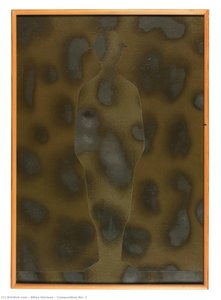
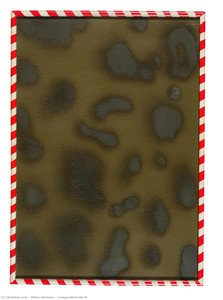
- A complex interplay of cut-and-paste collage and screen printing
Through these methods, Gürman interrogated the relationship between human freedom and the rigid structures of bureaucracy, using the very materials of daily life to question the permanence of art.
A Lasting Impression on Turkish Modernism
Though his life was tragically short, the impact of Altán Gürman remains indelible within the history of Turkish art. He stood at a critical crossroads, a time when the tension between figurative and abstract styles was at its peak, and he introduced a conceptual framework that prioritized idea over aesthetic ornament. His guiding principle—that
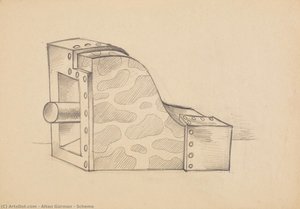
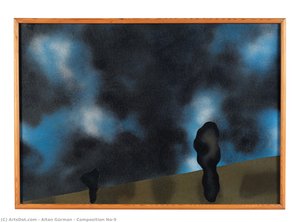
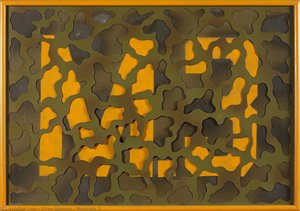
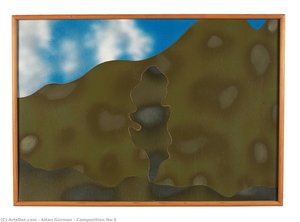
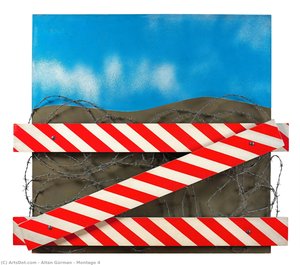
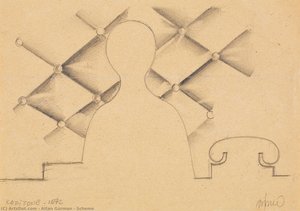
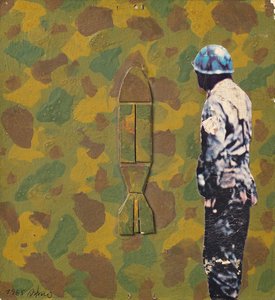
“art ought to be less sacred and closer to life”—continues to resonate through contemporary galleries today. In masterpieces such as
Scheme and
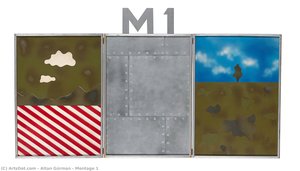
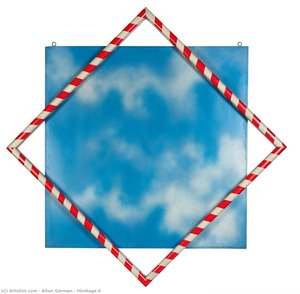
Montage 1, we witness a master navigating the delicate balance between nature and construction, leaving behind a legacy that remains as provocative, subversive, and vital as it was during his transformative years in the mid-twentieth century.