Erris Huigens & Gysbert Zijlstra: Pioneers of Intrusive Urban Art
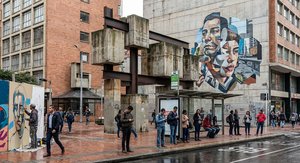
Erris Huigens and Gysbert Zijlstra, collectively known as graphic surgery, represent a singular force in contemporary urban art. Emerging from Amsterdam, Netherlands, their collaborative practice defies easy categorization, blending graffiti artistry with meticulous graphic design—a fusion that speaks to the evolving landscape of visual culture. Their work isn’t merely decoration; it's an interrogation of space and perception, inviting viewers into unsettling dialogues about societal structures and the impact of technology on our environment.
- Early Influences & Formation
- Their artistic journey began with a shared fascination for street art’s rebellious spirit alongside a deep appreciation for graphic design principles—a combination that would prove foundational to their distinctive style.
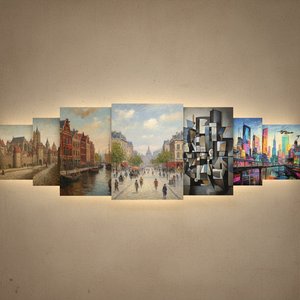
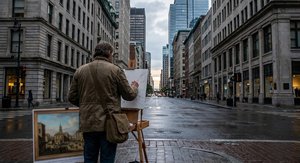
The duo's approach distinguishes itself through an almost surgical precision. They meticulously dissect existing architectural elements and urban environments, layering digital manipulation onto physical canvases with astonishing detail. This technique – aptly termed “invasive structure” – isn’t simply about recreating images; it’s about actively disrupting them, revealing hidden layers of information and challenging conventional viewpoints. The resulting artworks are often unsettling yet undeniably captivating, mirroring the complexities inherent in navigating our increasingly digitized world.
- Technique & Methodology
- Graphic surgery utilizes a combination of traditional painting methods alongside advanced digital tools. Huigens’s hand-painted textures provide an organic counterpoint to Zijlstra's digitally generated overlays, creating a dynamic interplay between materiality and virtual space.
Their exploration extends beyond mere stylistic considerations; it delves into conceptual territories concerned with social commentary. They grapple with themes of surveillance, fragmentation, and the blurring lines between reality and simulation—subjects that resonate powerfully within the context of 21st-century anxieties. The duo’s work consistently pushes boundaries, prompting reflection on how we perceive our surroundings and how art can serve as a catalyst for critical engagement.
- Notable Achievements & Recognition
- Graphic surgery's contributions to the urban art scene have garnered considerable acclaim. Their immersive installations and digital artworks have been exhibited internationally, cementing their position as innovators within the field. They’ve consistently demonstrated a commitment to artistic experimentation while maintaining an unwavering focus on conveying impactful narratives.
Exploring Intrusive Structure IV
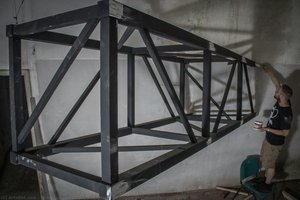
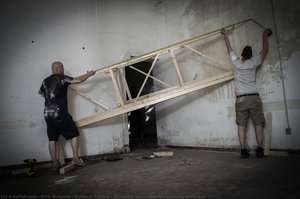
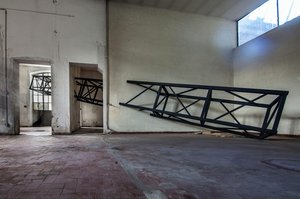
A particularly striking example of their work is “Intrusive Structure IV,” currently undergoing development. This piece exemplifies the duo’s signature technique—a painstaking process of digitally altering architectural photographs to expose hidden contours and textures. The resulting image isn't merely a visual representation; it’s an invitation to reconsider our understanding of space and its influence on human experience.
- Further Exploration
- You can delve deeper into their artistic vision by visiting ArtsDot’s dedicated page featuring graphic surgery's artworks: Erris Huigens & Gysbert Zijlstra.
Graphic surgery continues to push the boundaries of artistic expression, solidifying their legacy as pioneers of intrusive urban art and champions of a visual language that confronts us with uncomfortable truths about our relationship with technology and the environment.