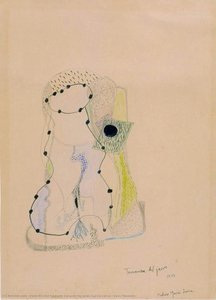
Federico García Lorca: Life and Legacy
Early Life and Influences
- Federico del Sagrado Corazón de Jesús García Lorca was born on June 5, 1898, in Fuente Vaqueros, Spain.
- His father, Federico García Rodríguez, was a landowner, and his mother, Vicenta Lorca Romero, was a teacher.
- Early exposure to the Andalusian countryside profoundly shaped his artistic sensibility.
- He began piano lessons at age 11, developing a deep appreciation for music that would later influence his poetry. Key musical influences included Claude Debussy, Frédéric Chopin, and Ludwig van Beethoven.
- His friendship with composer Manuel de Falla further cemented the importance of Spanish folklore in his work.
Artistic Development and Key Works
- Lorca initially studied law but soon dedicated himself to literature and art.
- He moved to Madrid in 1919, immersing himself in a vibrant artistic community at the Residencia de Estudiantes, befriending Luis Buñuel and Salvador Dalí.
- His first published book was Impresiones y paisajes (Impressions and Landscapes) in 1918.
- He rose to prominence with Romancero gitano (Gypsy Ballads) in 1928, a collection of poems depicting the lives and struggles of the Romani people in Andalusia.
- A sojourn in New York City from 1929-1930 resulted in Poeta en Nueva York (Poet in New York), published posthumously in 1942, reflecting his alienation and disillusionment with modern urban life.
Dramatic Achievements
- Lorca became a leading figure in Spanish theatre, writing plays that blended traditional folklore with avant-garde techniques.
- His most celebrated plays include:
- Blood Wedding (1932): A tragic tale of passion, honor, and fate.
- Yerma (1934): Explores the themes of infertility and societal expectations for women.
- The House of Bernarda Alba (1936): A powerful depiction of repression and female confinement.
- He founded *La Barraca*, a travelling theatre company dedicated to bringing classical Spanish plays to rural audiences.
Influences and Artistic Style
- Lorca was deeply influenced by Spanish folklore, flamenco music, and the traditions of Andalusia.
- He incorporated elements of Surrealism, Futurism, and other European avant-garde movements into his work.
- His style is characterized by vivid imagery, symbolism, emotional intensity, and a lyrical quality.
- Recurring themes in his work include love, death, passion, social injustice, and the plight of marginalized communities.
Historical Significance and Legacy
- Federico García Lorca was assassinated by Nationalist forces at the beginning of the Spanish Civil War in 1936. His remains have never been found.
- His death transformed him into a symbol of artistic freedom and resistance against oppression.
- He is considered one of the most important Spanish poets and playwrights of the 20th century.
- Lorca’s work continues to be widely read, performed, and studied around the world, inspiring generations of artists and writers.