Giovanni Battista Falda: A Roman Master of Fresco and Engraving
Giovanni Battista Falda, born in Valduggia, Italy, in 1643, was a pivotal figure in the artistic landscape of 17th-century Rome. Though his life was tragically cut short at the relatively young age of 35 in 1678, Falda left an indelible mark on Roman art through his contributions to fresco painting and engraving, particularly within the Oratory of San Giovanni Decollato and the Vatican Loggia. His work represents a fascinating intersection of Mannerist influence, Baroque dynamism, and a deep engagement with both classical antiquity and contemporary religious themes.
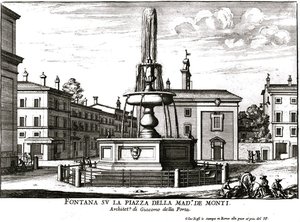
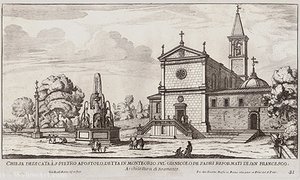
Falda’s early artistic training began under the tutelage of Bernini, a monumental figure in the Roman art world. This formative period instilled within him a rigorous understanding of draftsmanship and sculptural principles – skills that would later inform his meticulous fresco work. He quickly gained recognition for his talent, attracting the attention of Giovanni Giacomo de Rossi, a prominent publisher who commissioned Falda to create engravings for esteemed books such as *Le fontane di Roma* (Fountains in Rome) and *Palazzi di Roma* (Palaces of Rome). These early commissions showcased his ability to capture architectural detail with remarkable precision and established him as a skilled engraver. The expansion of these publications after his death, notably incorporating engravings by Francesco Venturini, speaks volumes about the enduring value placed on Falda’s artistic contributions.
Fresco Master of Rome's Sacred Spaces
Falda’s most significant legacy lies in his fresco paintings within the Oratory of San Giovanni Decollato and the Vatican Loggia. The Oratory, a unique confraternity church dedicated to St. John the Baptist, became a primary venue for Falda’s artistic endeavors. Here, he created a series of impressive frescoes that demonstrate both technical mastery and a profound understanding of religious narrative. His work in the Oratory is characterized by a dynamic composition, rich color palettes, and a skillful manipulation of light and shadow – hallmarks of the Mannerist style which was still influential during his time.
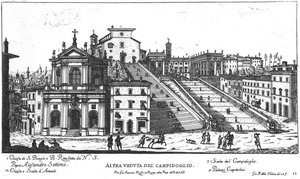
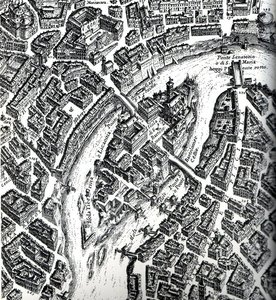
Within the Vatican Loggia, Falda’s frescoes offer a glimpse into Roman history and mythology. His depictions are not merely decorative; they are carefully constructed narratives intended to educate and inspire contemplation. The “Capitol with Church of San Biagio and Blessed Rita” exemplifies this approach, seamlessly blending historical scenes with religious iconography within a vibrant Baroque setting. Similarly, his work on the “Isola Tiberina” showcases his ability to capture the essence of Roman life alongside biblical stories.
Engraving as an Art Form
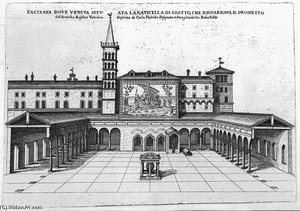
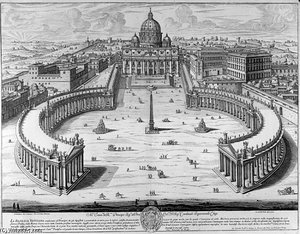
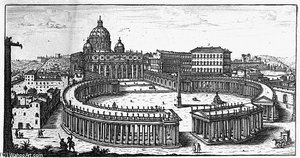
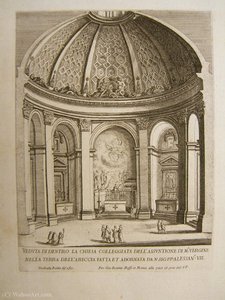
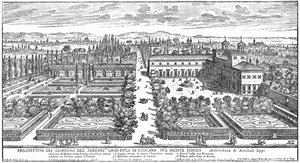
While often remembered for his frescoes, Falda’s contributions to engraving were equally significant. His engravings of contemporary and antique structures of Rome – including the “Benediction Loggia Of The Old Vatican Basilica With A View Of Giotto” – reveal a keen eye for architectural detail and a deep appreciation for classical forms. These prints served not only as artistic expressions but also as valuable documentation of Rome’s built environment, offering insights into the city's history and aesthetics. His engravings were highly sought after by collectors and patrons alike, further solidifying his reputation as a versatile and accomplished artist.
Legacy and Historical Significance
Giovanni Battista Falda’s untimely death at the age of 35 cut short a promising career, yet his artistic legacy endures. His frescoes in the Oratory of San Giovanni Decollato and Vatican Loggia remain vital examples of 17th-century Roman art, showcasing the dynamism of Mannerism and the influence of Baroque aesthetics. Furthermore, his engravings provide invaluable documentation of Rome’s architectural heritage. Falda's work reflects a deep engagement with both religious iconography and classical antiquity, making him a significant figure in the transition between these two artistic traditions. His meticulous draftsmanship and innovative use of color and composition continue to inspire artists and art historians today.
Related Works
- Capitol with Church of San Biagio and Blessed Rita: Explore this stunning Baroque fresco.
- Isola tiberina: Discover a Renaissance masterpiece.
- The Benediction Loggia Of The Old Vatican Basilica With A View Of Giotto: Admire a 16th-century engraving.