The Enduring Legacy of International Business Machines Corporation
International Business Machines Corporation, or IBM as it is universally known, occupies a unique and often paradoxical position in the history of art and technology. While immediately recognized for its pioneering role in computing—a legacy built on punched cards, mainframes, and now artificial intelligence—its contributions to the visual arts are less widely celebrated yet profoundly significant. IBM’s story isn't simply one of technological advancement; it is a narrative interwoven with industrial design, conceptual art, and a deliberate cultivation of corporate identity through aesthetic engagement. The company’s journey began in 1911 as the Computing-Tabulating-Recording Company (CTR), an amalgamation of businesses focused on automating business processes. This early focus on precision and efficiency would become a defining characteristic, subtly influencing its later artistic endeavors.
The ascent of Thomas J. Watson in 1914 marked a turning point. Watson’s vision extended beyond mere functionality; he understood the power of branding and sought to create not just products but solutions—and an image that reflected reliability and innovation. This ethos, born from the practical needs of commerce, laid the groundwork for IBM's later foray into art. The rebranding as “International Business Machines” in 1924 signaled a broadening scope, encompassing electric typewriters and other office equipment, yet the core principle remained: to provide comprehensive systems rather than isolated components.
From Industrial Design to Conceptual Interventions
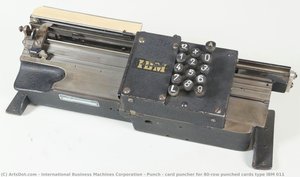
IBM’s engagement with art wasn't immediate. It evolved gradually, initially manifesting in meticulous industrial design. The punch-card machines of the mid-20th century—like the type IBM 011—were not merely functional objects; they were engineered with a certain aesthetic sensibility, reflecting the streamlined forms and optimistic spirit of the post-war era. These machines, captured in vintage photographs, stand as testaments to an era where technology was perceived as inherently progressive and visually compelling. However, it was in the latter half of the 20th century that IBM’s relationship with art took a more deliberate turn, moving beyond design towards conceptual interventions.
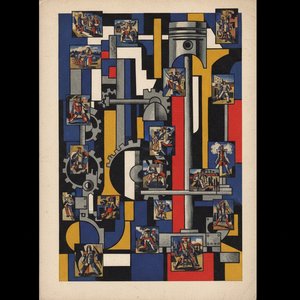
The company began commissioning works from artists who explored themes relevant to its core business: information, communication, and the evolving relationship between humans and technology. This wasn't simply about decorating office spaces; it was about fostering dialogue and positioning IBM at the forefront of cultural discourse. A notable example is their engagement with conceptual art practices, which challenged traditional notions of authorship and ownership—themes that resonated with IBM’s own complex corporate structure and its role in shaping the digital landscape.
The System/360 Era and the Rise of “Big Blue”
The introduction of the System/360 family of mainframe computers in the 1960s cemented IBM's dominance. This wasn’t just a technological breakthrough; it was a holistic approach, offering hardware, software, and service agreements—a complete ecosystem designed to foster client loyalty. This period also saw the emergence of the nickname “Big Blue,” reflecting both the color of its computers and its imposing presence in the industry. The company's success wasn’t solely based on innovation; it was built on a carefully cultivated image of reliability, expertise, and forward-thinking leadership.
As IBM became synonymous with computing power, its artistic commissions reflected this growing influence. The works often explored the abstract concepts of data processing, information flow, and the potential—and limitations—of artificial intelligence. This period also saw a rise in corporate art collections as a means of projecting an image of sophistication and cultural awareness.
Navigating Challenges and Reinventing Identity
The late 1980s and 1990s presented significant challenges for IBM. The mainframe-centric corporation struggled to adapt to the rapid pace of technological change, facing substantial losses in the early 1990s. This period forced a reevaluation of its core identity and a renewed focus on innovation. The company’s artistic endeavors also underwent a transformation, reflecting this shift.
IBM increasingly commissioned works that explored themes of globalization, interconnectedness, and the digital revolution. The emphasis shifted from celebrating computing power to examining its societal impact—a more nuanced and self-aware approach. Today, IBM continues to support art initiatives, recognizing the value of creative expression in fostering innovation and shaping public perception. The company’s legacy extends beyond technological advancements; it is a testament to the enduring power of aesthetic engagement in building brand identity and navigating an ever-changing world.
Historical Significance & Contemporary Relevance
IBM's contribution to art history lies not in producing a specific style or movement, but in its deliberate cultivation of a corporate aesthetic. It demonstrated how large organizations can leverage art as a strategic tool—to foster innovation, build brand loyalty, and engage with complex cultural issues. The company’s early embrace of industrial design foreshadowed the growing importance of user experience and visual appeal in technology.
Furthermore, IBM's engagement with conceptual art practices challenged traditional notions of authorship and ownership, paving the way for new forms of artistic expression. Today, as artificial intelligence continues to reshape our world, IBM’s legacy remains profoundly relevant. The questions raised by its earlier commissions—about the relationship between humans and technology, the nature of information, and the ethical implications of innovation—are more pressing than ever. IBM's story serves as a compelling reminder that art and technology are not mutually exclusive domains but rather interconnected forces shaping our understanding of the world.