The Soul of the Renaissance: The Legacy of Italian Manufacture
To speak of Italian manufacture is to evoke much more than a mere method of production; it is to invoke a profound era of artistic devotion that served as the very cornerstone of European culture. During the height of the Renaissance, this approach to artistry transformed the Italian peninsula into a living laboratory of beauty, where the boundary between artisan and master was perpetually blurred. Originating in the vibrant, humanist atmosphere of Florence, this tradition prioritized a meticulous, handcrafted excellence that sought to breathe life into raw materials. Whether it was the cold weight of Carrara marble or the delicate weave of silk, the goal remained singular: to transform the physical world into something breathtakingly sophisticated and eternally significant.
The genesis of this movement can be traced back to the burgeoning artistic fervor found in Florence under the transformative patronage of Lorenzo de’ Medici. Driven by a rediscovered passion for classical antiquity, artisans began to look backward to the triumphs of Roman sculpture and architecture to find the path forward. This era was defined by an intense study of proportion, human form, and the subtle interplay of light and shadow. The development of these techniques was not merely technical but deeply philosophical, as craftsmen sought to mirror the divine order through their physical labors.
Mastery of Form and Technique
As the tradition matured, it manifested in diverse disciplines, each pushing the boundaries of what was thought possible with human hands. In the realm of sculpture, the pursuit of unparalleled realism reached its zenith as masters perfected the art of marble carving, using precise chisel work and masterful polishing to achieve a lifelike softness in stone. Simultaneously, the world of painting underwent a revolution through techniques such as sfumato, where subtle gradations of tone allowed artists to capture atmospheric perspective and deep, resonant emotion with remarkable subtlety.
Beyond the canvas and the stone, the reach of Italian craftsmanship extended into the very fabric of daily life:
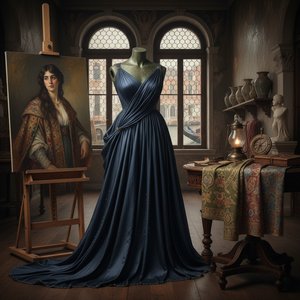
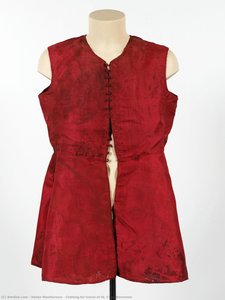
- Textile Production: Florentine weavers created sumptuous fabrics adorned with intricate patterns inspired by both nature and mythology, utilizing complex dyes derived from rare plants and minerals to achieve a vibrant, lasting color.
- Glassmaking: In Venice, the evolution of furnace technology led to the creation of glass of unparalleled brilliance, a feat of chemical experimentation and artistic vision.
- Metalworking: Throughout cities like Milan, artisans excelled in producing ornate furnishings and sculptures embellished with gold leaf and enamel, reflecting the growing wealth and cultural prestige of the Italian states.
A Lasting Historical Significance
The spread of these manufacturing traditions across the Italian peninsula created a unified cultural language that would eventually influence the entire Western world. From the epicenter of Florence, the ripples of innovation moved through the trade routes of Venice and the industrial workshops of Milan, establishing a standard of excellence that defined the Italian spirit for centuries. This era of craftsmanship was not merely about the creation of objects, but about the elevation of the human experience through the pursuit of perfection.
Today, the legacy of this period remains etched into the very architecture and art collections that define Italy's heritage. The meticulous skill developed during the Renaissance continues to inspire modern appreciation for the handmade, reminding us of a time when every stroke of a brush and every strike of a hammer was an act of devotion to beauty. The history of Italian manufacture is, ultimately, a testament to the enduring power of human creativity and the profound impact of a culture dedicated to the mastery of its craft.