Menu
FREE ART CONSULTATION

jan pauwel the younger gillemans

1651 - 1704

Quick Facts

  • Lifespan: 53 years
  • Art period: Early Modern
  • Works on APS: 8
  • Died: 1704
  • Nationality: Belgium
  • Copyright status: Public domain
  • More…
  • Born: 1651, Antwerp, Belgium
  • Top-ranked work: Still-Life
  • Top 3 works:
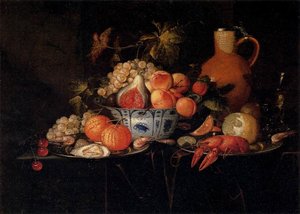
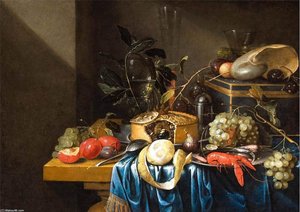
    • Still-Life
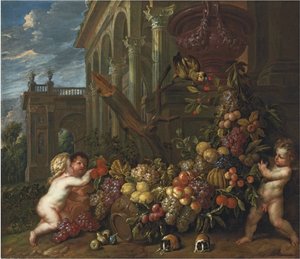
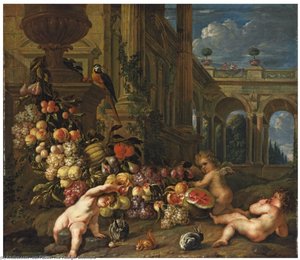
    • An architectural capriccio with putti around a swag of fruit, with a parrot, squirrel and rabbits
  • Also known as: Jan Pauwel Gillemans
  • Topics explored:
    • life
    • fruits

Art Quiz

There is only one correct answer for each question.

Question 1:
Q1
Question 2:
Q2
Question 3:
Q3
Question 4:
Q4
Question 5:
Q5

Jan Pauwel Gillemans the Younger – A Flemish Master of Still Life

Jan Pauwel Gillemans the Younger (Antwerp, baptized 3 September 1651 – Antwerp, buried 20 March 1704) was a Flemish still life painter who flourished during the Baroque period. He stands as a significant figure within Antwerp’s artistic landscape and collaborated closely with Hans Memling, cementing his place in the history of Northern Renaissance art. His distinctive style combined meticulous observation with imaginative symbolism, resulting in works that continue to captivate viewers today.

Early Life and Training

Born into a family steeped in artistic tradition – his father, Jan Pauwel Gillemans the Elder, was himself a respected still life painter – Gillemans’s formative years were spent under the tutelage of Joris van Son, Antwerp's foremost artist at the time. This mentorship instilled in him not only technical proficiency but also an appreciation for the humanist ideals prevalent during the era. The Guild of Saint Luke recognized his talent early on, enrolling him as a pupil in 1665-1666 and marking the beginning of his professional journey. His father’s influence extended beyond mere instruction; it fostered a deep understanding of artistic philosophy and established a lifelong connection to Antwerp's vibrant artistic community.

Collaboration with Hans Memling

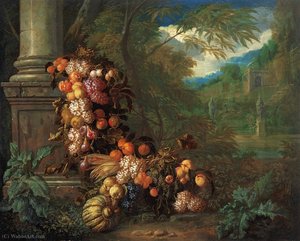
Gillemans’s artistic development gained considerable momentum through his association with Hans Memling, the celebrated painter of Saint Ursula Chapel in Bruges. Their collaborative efforts produced landscapes infused with mythological elements – notably “An architectural capriccio with putti around a swag of fruit” – skillfully blending realistic depiction with allegorical storytelling. This partnership exemplifies the Baroque fascination with combining visual grandeur and intellectual depth, demonstrating Gillemans’s ability to elevate still life painting beyond mere representation into a vehicle for conveying complex ideas.

Career Highlights and Artistic Style

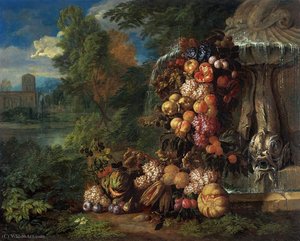
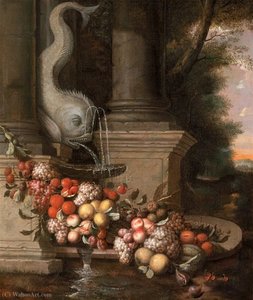
Throughout his career, Gillemans traveled extensively – Antwerp, Middelburg, London and Amsterdam – broadening his artistic horizons and absorbing influences from diverse cultural traditions. He achieved considerable success as a master of the Guild of Saint Luke in 1673-1674, securing his reputation as one of Antwerp’s most accomplished painters. His meticulous attention to detail—evident in works like “Still life with fruit by a fountain in a landscape dated 1673 or 1678”—characterized his distinctive style. He skillfully rendered textures and colors with remarkable accuracy, capturing the ephemeral beauty of flowers and fruits while simultaneously incorporating symbolic motifs that enriched their meaning. His penchant for combining still life elements with architectural settings further distinguished him from contemporaries, establishing a precedent for innovative artistic approaches.

Legacy and Historical Significance

Jan Pauwel Gillemans the Younger’s contribution to Flemish Baroque art is undeniable. He solidified Antwerp's position as a center of artistic excellence and fostered a tradition of imaginative storytelling within still life painting. His works continue to inspire admiration for their technical virtuosity and intellectual sophistication, serving as enduring reminders of the Renaissance spirit’s capacity for blending beauty with profound contemplation. The Memling Museum proudly preserves his legacy, ensuring that future generations can appreciate the artistry of this remarkable Flemish Master.