Table of Contents
Quick Facts
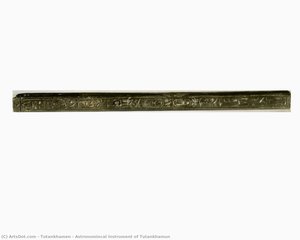
- Top-ranked work: Astronomincal Instrument of Tutankhamun
- Died: 1327
- Copyright status: Public domain
- Born: 1345, Amarna, Egypt
- Lifespan: -18 years
- Also known as: tutankhamun
- More…
- Top 3 works: Astronomincal Instrument of Tutankhamun
- Nationality: Egypt
- Art period: Late Medieval
- Museums on APS: Institute for the Study of Ancient Cultures Museum
- Works on APS: 1
Art Quiz
There is only one correct answer for each question.
Question 1:
What was Tutankhamun originally named?
Question 2:
Who is Tutankhamun’s mother?
Question 3:
What religion did Tutankhamun restore during his reign?
Question 4:
Where was Tutankhamun’s tomb discovered?
Question 5:
What is Tutankhamun known for?
Related Articles
Golden Hour on the Nile: Symbolism & Artistic Legacy of Egyptian Sunsets
Explore the rich symbolism of Egyptian sunset paintings & their artistic legacy. Discover how color, ritual, and landscape shaped ancient beliefs – a guide for discerning collectors.


Charles Bird King: Capturing Native American Dignity Through Portraiture & Cultural Exchange
Explore the captivating portraits of Charles Bird King, renowned for his depictions of Native American leaders. Discover the historical context, artistic techniques, and collecting value of these significant 19th-century artworks.

David Roberts: A Scottish Pioneer of Topographical Art & Orientalist Vision
Explore the captivating world of David Roberts, a pioneering Scottish painter renowned for his detailed Orientalist scenes & stunning Egyptian landscapes. Discover his legacy and find museum-quality reproductions at ArtsDot.