

A Sanctuary of Modernity: The Aichi Prefectural Museum of Art
Nestled within the vibrant cultural landscape of Nagoya, the Aichi Prefectural Museum of Art serves as much more than a mere repository for precious objects; it is an invitation to contemplate the delicate intersection of beauty and innovation. As a cornerstone of Nagoya’s identity, the museum offers a harmonious blend of Japanese tradition and contemporary vision, acting as a sanctuary where the past and future exist in a continuous, graceful dialogue. The institution was established with a profound mission: to foster a deep appreciation for art and its transformative influence on the human experience. For the discerning collector or the lover of fine aesthetics, the museum provides an immersive journey through layers of history, inviting visitors to lose themselves in works that provoke thought and ignite the imagination.
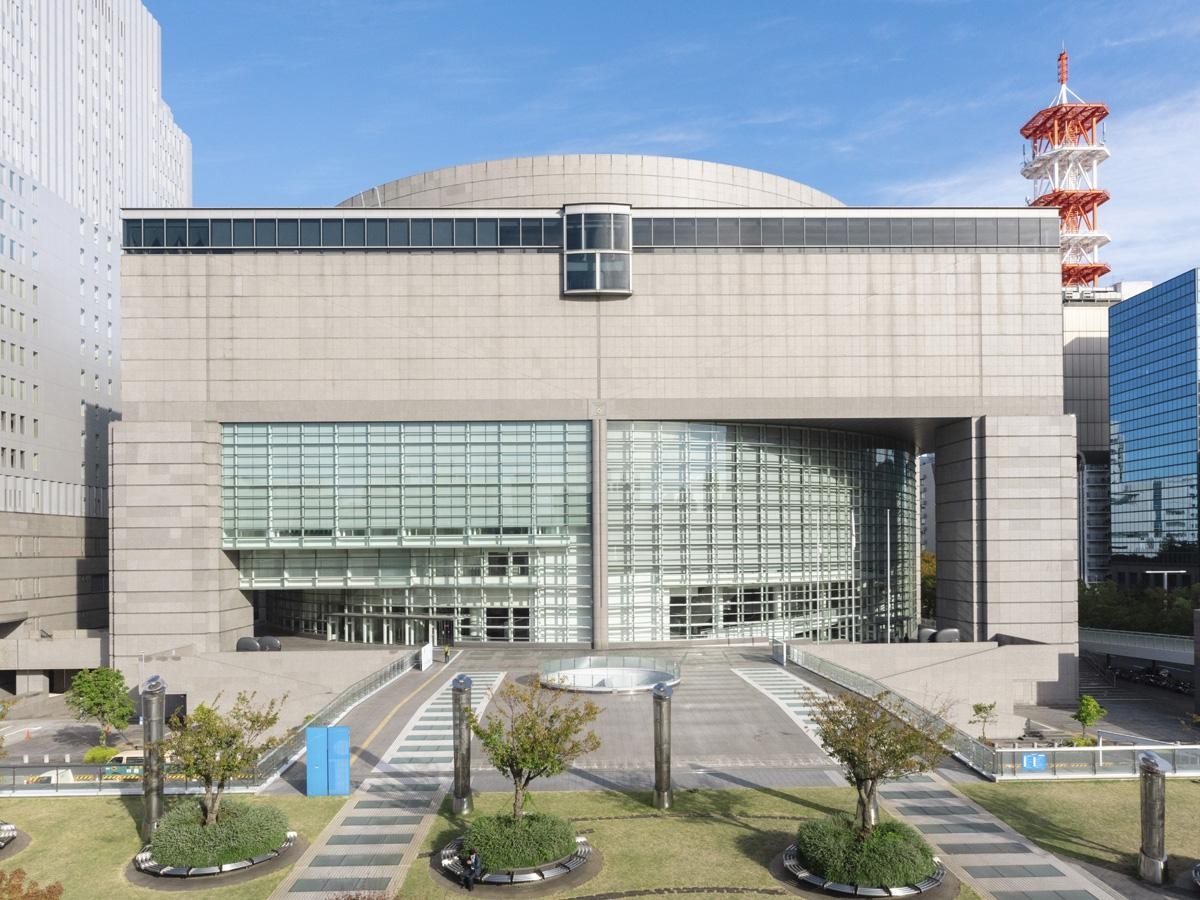
The architectural experience begins long before one enters the galleries. Designed by the legendary Kisho Kurokawa, the building is a masterclass in "concrete poetry," embodying a philosophy of simplicity, elegance, and structural honesty. Through his groundbreaking use of concrete and minimalist aesthetics, Kurokawa created a space that feels both grounded and ethereal. The museum’s design utilizes expansive glazing to allow natural light to flood the halls, creating an ever-shifting environment where the interplay of shadow and brilliance fosters a deep connection between the viewer, the artwork, and the natural world outside. This sense of openness is further enhanced by its location within the larger Aichi Arts Center complex, making it a holistic hub for intellectual curiosity and creative energy.
A Tapestry of Artistic Visions and Global Perspectives
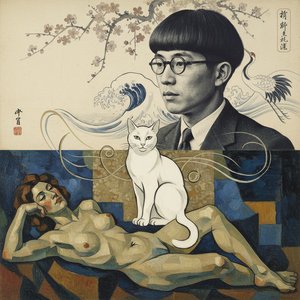
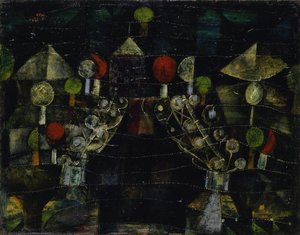
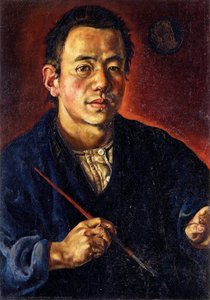
To walk through the halls of the Aichi Prefectural Museum of Art is to traverse the very evolution of Japanese artistry. The collection is a breathtaking tapestry of styles, ranging from the delicate, ethereal landscapes of Nihonga to the bold, experimental strokes of Yōga . Visitors are often captivated by the evocative brushwork of Takeuchi Seiho, whose works capture the quintessential essence of Japanese naturalism with unparalleled grace. This tradition is met with a fascinating tension in the works of artists like Ishii Hakutei, who skillfully merged Western influences and modernist sensibilities into the Japanese canon. Such masterpieces offer a window into how traditional techniques were reimagined to reflect a changing world.
Beyond its national treasures, the museum maintains a remarkably global perspective, curating dialogues between Eastern and Western artistic movements. This commitment to bridging different cultural realms is perhaps most vividly seen in recent, immersive exhibitions that have captivated audiences of all ages. A notable example includes the stunning presentation of Studio Ghibli’s Spirited Away through magnificent Aubusson tapestries, a feat that demonstrates the museum's ability to elevate contemporary pop-culture narratives into the realm of high fine art. For interior designers and enthusiasts of textile art, these exhibitions highlight the profound impact that texture, scale, and narrative can have on a space.
A Legacy of Innovation and Engagement
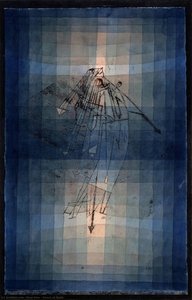
What truly distinguishes this institution is its refusal to remain a static monument to the past. The Aichi Prefectural Museum of Art is a living entity, characterized by an unwavering dedication to artistic engagement and the promotion of emerging talents. Through thoughtfully curated temporary exhibitions, the museum explores surrealist techniques and experimental movements, featuring artists such as Akemitsu and Nichiro Ishimura. These rotating showcases ensure that the museum remains at the forefront of contemporary trends, offering fresh insights that challenge established perspectives and inspire new generations of creators.
As part of a larger cultural ecosystem that includes the historical depth of the Tokugawa Art Museum and the European elegance of the Nagoya City Art Museum, the Aichi Prefectural Museum of Art stands as a vital pillar of the region's heritage. It is a place where history is not just preserved but actively reinterpreted. Whether one is drawn by the architectural brilliance of Kurokawa, the delicate mastery of Nihonga , or the bold spirit of modernism, the museum offers an unparalleled experience for anyone seeking to understand the profound, enduring power of the visual arts.