

A Tapestry of Berlin’s Artistic Soul
To step into the Berlinische Galerie is to embark on a profound journey through the fractured yet resilient heart of Germany's capital. Since its inception, this institution has served as more than a mere repository for objects; it is a living chronicle of a city that has undergone radical transformations from 1870 to the present day. The museum stands as a beacon of modern art, photography, and architecture, meticulously preserving the creative spirit that emerged from the shadows of war, the tension of the Cold War, and the triumphant rebirth of reunification. For the discerning collector or the lover of historical narratives, the Galerie offers an unparalleled window into the zeitgeist of Berlin, capturing the very essence of a metropolis that refuses to remain static.
The collection itself is a breathtaking mosaic of movements, where the rebellious energy of Dada meets the formal elegance of the Secession. Visitors are often captivated by the sheer breadth of the museum's holdings, which range from the visceral, existential explorations of Max Beckmann to the avant-garde provocations of Hannah Höch and Raoul Hausmann . The museum shines with particular brilliance when illuminating the "Golden Twenties," a period of unparalleled innovation fueled by the optimism of the Weimar Republic. Here, one can witness the transition from the raw, emotional intensity of German Expressionism to the unflinching, socially critical gaze of Neue Sachlichkeit (New Objectivity), a movement that captured the psychological fragmentation of post-war Germany with haunting precision.
A Photographic Revelation and Architectural Dialogue
Beyond the canvas, the Berlinische Galerie houses an extraordinary photographic archive that serves as a poignant visual diary of urban life. With over 73,000 photographs in its care, the museum presents a sweeping narrative of portraiture, fashion, and landscape, alongside deeply moving images documenting the social realities of life under GDR rule. This vast collection allows for a unique interdisciplinary experience, where the stillness of a print can evoke the same historical weight as a monumental painting. For interior designers and curators seeking inspiration, this archive provides a rich wellspring of textures, light, and historical atmosphere that transcends simple documentation.
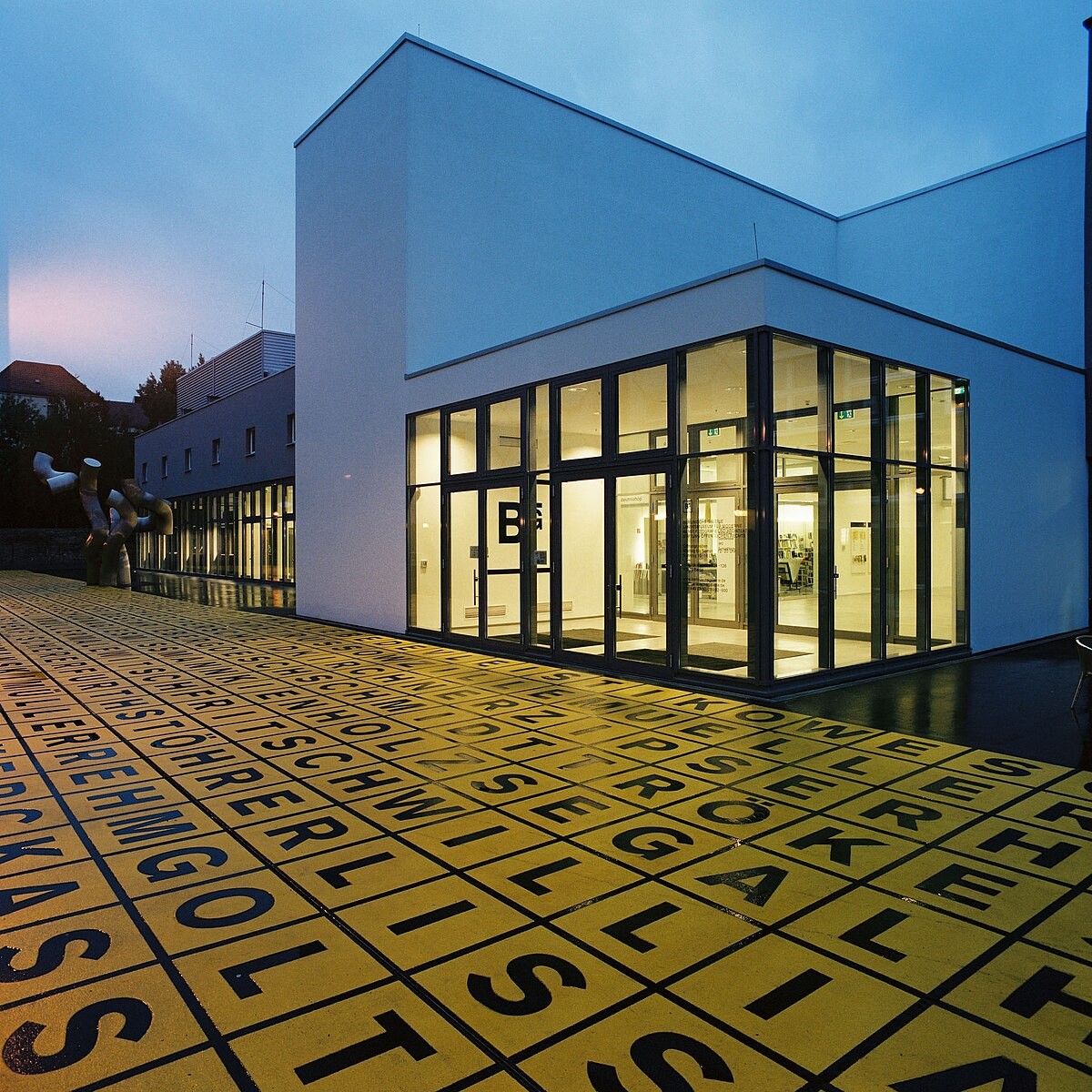
The museum's physical presence is as much a part of its story as the art it protects. Housed in a stunning modernist space in Kreuzberg, the building itself is a masterpiece of adaptive reuse. Originally a 1965 industrial glass warehouse, the structure was transformed by architect Jörg Fricke into a flexible, light-filled sanctuary that encourages a continuous dialogue between art and architecture. The deliberate openness of the galleries reflects the museum's commitment to transparency and accessibility, creating an environment where the heavy themes of history are balanced by the airy, contemporary aesthetic of the space. It is this seamless integration of industrial heritage and modern design that makes the Berlinische Galerie a singular destination in the European art landscape.
A Legacy of Innovation and Resilience
The history of the Berlinische Galerie is one of remarkable endurance. From its early days as a society dedicated to local art to its evolution into a public-law foundation, the institution has navigated the complexities of a divided city with grace. Having moved through various locations—from Charlottenburg to the Martin-Gropius-Bau—before finding its permanent home in its current Kreuzberg location, the museum embodies the very resilience it celebrates in its collection. Its past exhibitions have frequently pushed the boundaries of artistic discourse, tackling pressing social issues and celebrating the pioneers who dared to challenge conventional aesthetics.
Ultimately, what distinguishes the Berlinische Galerie is its holistic approach to heritage. It does not treat art, photography, and architecture as isolated disciplines but as interconnected threads in a complex cultural tapestry. For anyone seeking to understand the pulse of Berlin, the museum offers an immersive experience that is both intellectually stimulating and emotionally resonant. It invites you to look beyond the surface of the frame and witness the enduring, reinventing soul of one of the world's most dynamic cities.