


A Tapestry of Cultures: The Soul of Makhachkala
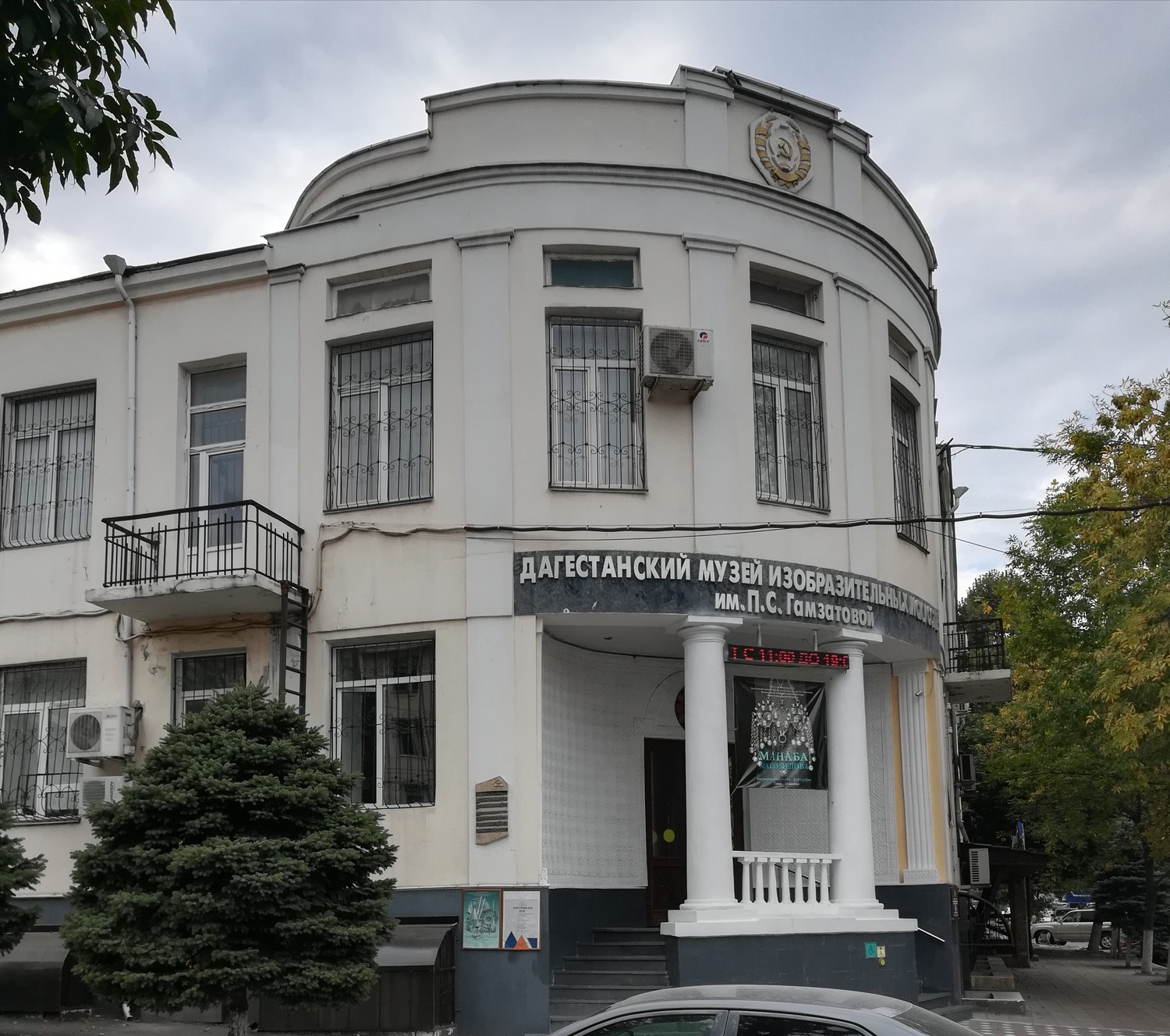
Nestled in the vibrant heart of Makhachkala, where the Caspian Sea whispers tales of ancient trade and conquest, the Dagestan Museum of Fine Arts named after P. S. and M. Gamzatova stands as a profound testament to the enduring spirit of the North Caucasus. Established in 1958, this institution is far more than a mere repository for artifacts; it is a living, breathing narrative woven from the diverse threads of Russian Romanticism, indigenous Dagestani traditions, and the sublime elegance of Islamic artistry. To step through its doors is to embark on a sensory journey through time, where the architectural silhouette of the museum itself—a deliberate fusion of Soviet Constructivism and traditional Dagestani ornamentation—prepares the visitor for the harmonious contradictions found within its galleries.
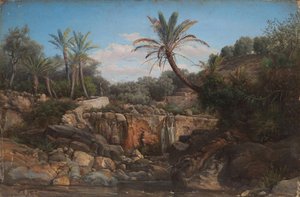
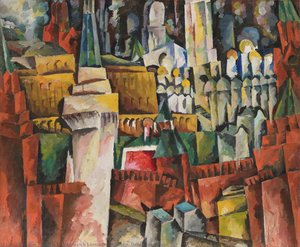
The collection serves as a breathtaking crossroads of civilizations, offering a panoramic view of human creativity spanning from the second millennium BC to the contemporary era. For the art lover, the museum’s renown is anchored by the monumental seascapes of Ivan Aivazovsky , whose canvases capture the turbulent, luminous beauty of the Black Sea with a mastery that remains unparalleled. These sweeping Romantic masterpieces find a poignant dialogue with the regional voices of Dagestan, such as the works of Fyodor Isakovich Baykov and Stepan Grigorie Stepanovich Shukaev . Their paintings, rich with expressive brushstrokes and vibrant palettes, delve into the heart of local folklore and the rugged majesty of the Caucasian landscapes, grounding the global language of art in the specific soil of the region.
Beyond the canvas, the museum offers a treasure trove of tactile beauty that captivates collectors and designers alike. The permanent exhibition spans ten halls, showcasing an exquisite array of ceramics, wood carving, copperwork, and intricate carpets . Each piece tells a story of craftsmanship and survival; delicate Islamic calligraphy dances alongside heavy, ornate metalwork, reflecting the sophisticated religious and social history of the Caucasus. For those with an eye for texture and historical depth, the museum’s collection of glass, porcelain, and faience provides a window into the aesthetic sensibilities of eras long past, making the institution a vital resource for understanding the evolution of decorative arts.
What truly distinguishes this museum is its role as a beacon of cultural preservation and contemporary dialogue. While it meticulously safeguards ancient treasures through a dedicated restoration department, it simultaneously champions the voices of modern Dagestani artists, ensuring that the region's artistic evolution remains a continuous, unbroken line. Through thematic exhibitions that explore everything from ancient mythology to pressing social commentary, the museum fosters an environment of deep contemplation and international connection. It is a place where the weight of history meets the pulse of the present, inviting every visitor to lose themselves in the magnificent, multifaceted legacy of Dagestan.