


A Victorian Jewel in the Heart of Mumbai
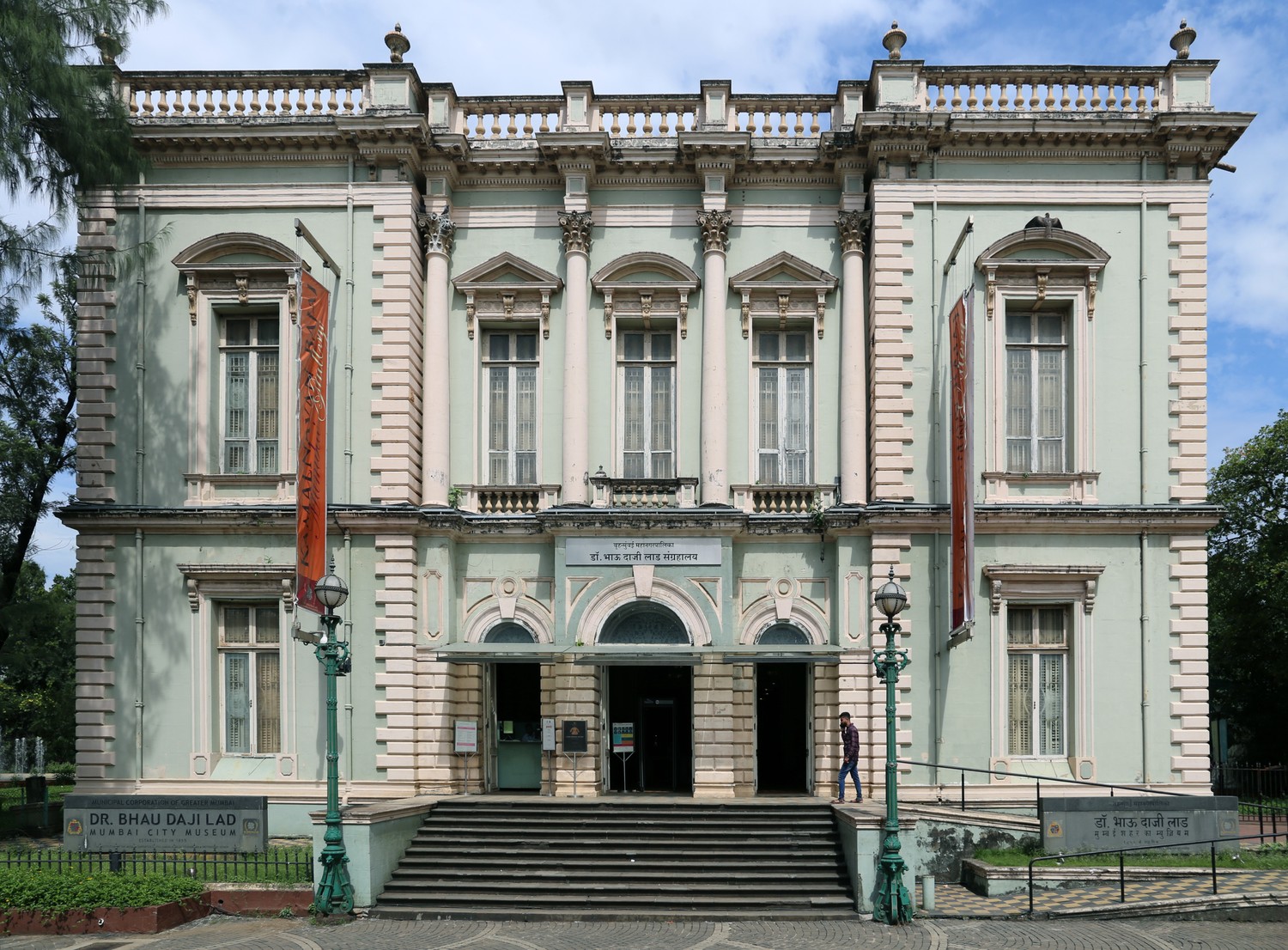
Nestled within the verdant, leafy embrace of the Veermata Jijabai Bhosale Botanical Udyan, the Dr. Bhau Daji Lad Mumbai City Museum stands as a breathtaking testament to a bygone era, a silent sentinel guarding the soul of Mumbai. To step through its gates is to transcend the frantic rhythm of the modern metropolis and enter a sanctuary where history breathes through stone and pigment. Originally established in 1855 as a treasure house for decorative and industrial arts, this venerable institution—once known as the Victoria & Albert Museum, Bombay—serves as a living narrative of the city’s metamorphosis from a cluster of islands into a global powerhouse. The museum is not merely a repository of the past but a vibrant dialogue between the colonial legacy and the enduring spirit of Indian craftsmanship.
The architecture itself is an exquisite protagonist in this historical drama. Designed by James Trubochshaw and completed in 1878, the building is a masterclass in Victorian Gothic splendor . As one approaches, the eye is immediately drawn to the intricate ornamentation, the rhythmic pointed arches, and the delicate ribbed vaults that define its silhouette. The facade, a canvas of exquisite stone carvings, whispers stories of a period when architectural grandeur was a primary language of prestige. This structural magnificence was recently revitalized through a meticulous restoration led by Vikas Dilawari Architects, a feat of preservation that earned the prestigious UNESCO Asia-Pacific Heritage Award . For the admirer of classical design and the interior enthusiast, the museum’s halls offer an unparalleled lesson in how historical grandeur can be seamlessly integrated with modern conservation techniques.
A Tapestry of Cultural Identity
Beyond its architectural shell lies a collection that is as diverse as the city it represents. The museum’s permanent galleries are a rich tapestry, weaving together archaeological finds, ancient documents, and relics from Mumbai’s colonial zenith. One cannot help but be captivated by the section dedicated to traditional Indian textiles ; here, the vibrant colors and intricate embroidery of regional costumes act as a sensory journey through the subcontinent's storied past. These artifacts are not mere objects behind glass; they are symbols of trade, social movement, and the profound artistry of generations of weavers and artisans.
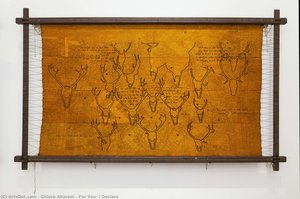
The museum’s curation masterfully balances the weight of history with the freshness of contemporary expression. While much of the collection celebrates the 19th-century decorative arts, recent exhibitions have pushed the boundaries of the museum's narrative. From the profound social commentary found in the acrylic works of Santiago Rember Yahuarcani to architectural sketches that celebrate the very bones of the building, the institution fosters a continuous loop between tradition and innovation. This duality makes the Dr. Bhau Daji Lad Museum a unique destination for collectors and art lovers alike—a place where one can trace the lineage of an aesthetic from ancient motifs to modern-day social critiques.
An Immersive Legacy
What truly distinguishes this museum is its profound commitment to community and engagement, transforming it from a static gallery into a dynamic cultural hub. It is a space designed for discovery, where technology meets tradition through the use of QR codes that breathe life into every artifact with audio guides. For the educator, the student, or the curious traveler, the museum offers an immersive experience through workshops, lectures, and guided tours conducted in English, Hindi, and Marathi. This dedication to accessibility ensures that the treasures of Mumbai are not locked away in an ivory tower but are shared as a collective heritage.
For the interior designer seeking inspiration or the art historian searching for depth, the Dr. Bhau Daji Lad Museum offers more than just visual delight; it offers a profound sense of place. It is a sanctuary where the textures of stone, the luster of gold, and the softness of ancient silk converge to tell a story of resilience and beauty. To visit is to witness the enduring legacy of Mumbai—a legacy preserved with passion, ensuring that the whispers of the past continue to inspire the visions of the future.