
A Tapestry of Heritage: The Soul of Hong Kong
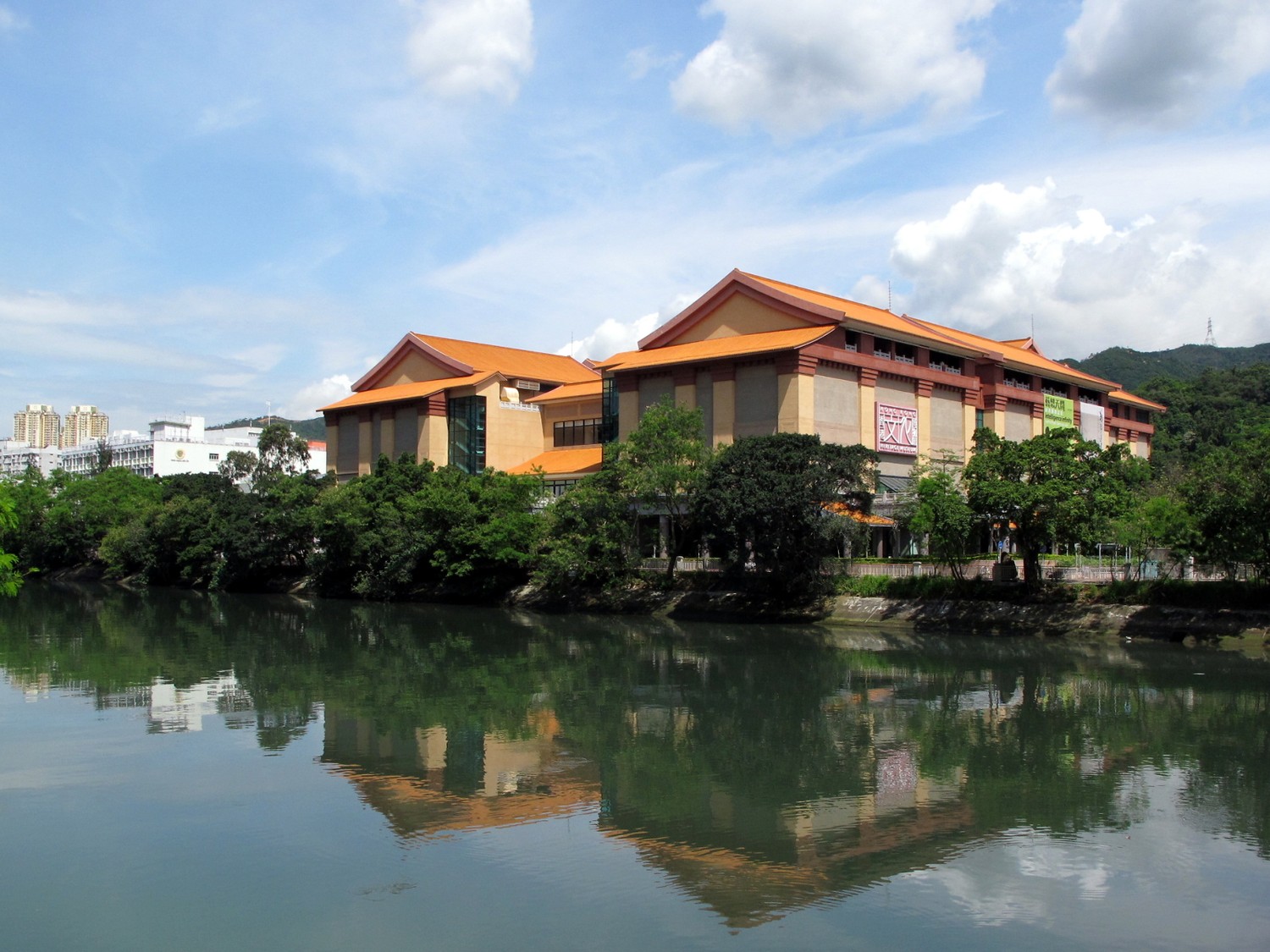
To step into the Hong Kong Heritage Museum is to embark on a profound journey through the very essence of a city’s metamorphosis. Situated serenely beside the Shing Mun River in Sha Tin, this institution serves as much more than a repository for artifacts; it is a living, breathing embodiment of Hong Kong’s soul. Since its establishment in 2000, the museum has acted as a vital bridge between eras, tracing the city's remarkable evolution from a humble fishing village into a shimmering global powerhouse. The architecture itself prepares the visitor for this duality, offering a harmonious blend of modern design principles and traditional Chinese elements that immediately fosters an atmosphere of quiet contemplation and discovery.
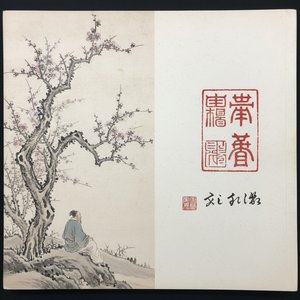
The museum’s collection is a masterful dialogue between the ancient and the contemporary, curated to evoke deep emotional resonance in every observer. Within its galleries, one finds the profound stillness of exquisite ancient Chinese paintings and calligraphy—works that carry the weight of centuries and reflect unparalleled technical skill and philosophical depth. These classical anchors are juxtaposed with the vibrant, theatrical splendor of Cantonese opera costumes and props, which bring the rhythmic pulse of local tradition to life. For the collector or art lover, these pieces represent not just historical relics, but the enduring threads of a cultural identity that refuses to be forgotten.
Echoes of Identity and Innovation
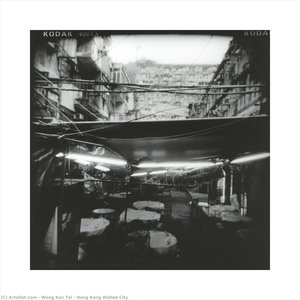
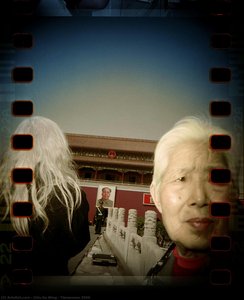
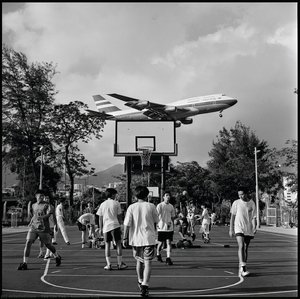
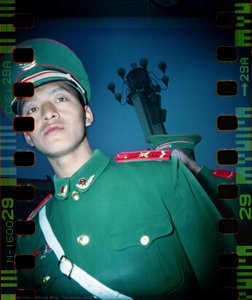
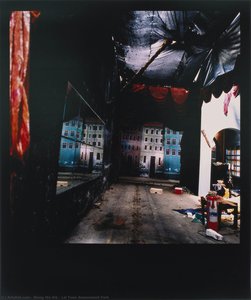
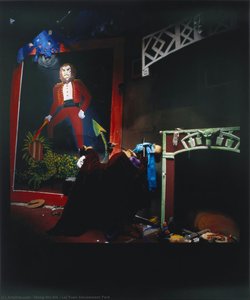
What truly distinguishes the Hong Kong Heritage Museum is its fearless commitment to contemporary voices that grapple with the complexities of memory and urban existence. The museum does not merely archive the past; it actively interprets the present through the eyes of artists who navigate the themes of identity in a rapidly changing landscape. One might encounter the symbolic resonance of Annie Wan Lai-kuende’s ceramic sculptures or find themselves lost in the poignant, recycled narratives of Jaffa Lam’s installations, which comment on the relentless pace of Hong Kong’s urban development. This curation creates a space where historical photographs documenting the colonial era meet modern photographic series, such as those by Wong Wo-bik , which capture the melancholic beauty of vanishing landmarks like the Lai Yuen Amusement Park.
For interior designers and enthusiasts of aesthetic storytelling, the museum offers an unparalleled source of inspiration, blending the organic textures of folk village artifacts with the sleek, forward-thinking spirit of modern installations. This sense of continuity extends beyond its main walls through a network of branch museums that deepen the regional narrative. From the nostalgic steam-engine echoes of the Railway Museum in Tai Po to the rural, ancestral traditions preserved at the Sam Tung Uk Museum and the Sheung Yiu Folk Museum , the institution creates a comprehensive landscape of heritage. Through its dedication to digital accessibility via platforms like Google Arts & Culture, the museum ensures that these captivating stories of resilience and artistic innovation are accessible to the global community, inviting all to witness the enduring beauty of Hong Kong’s cultural tapestry.