
The Enduring Legacy: How Paintings Preserve Cultural Memory
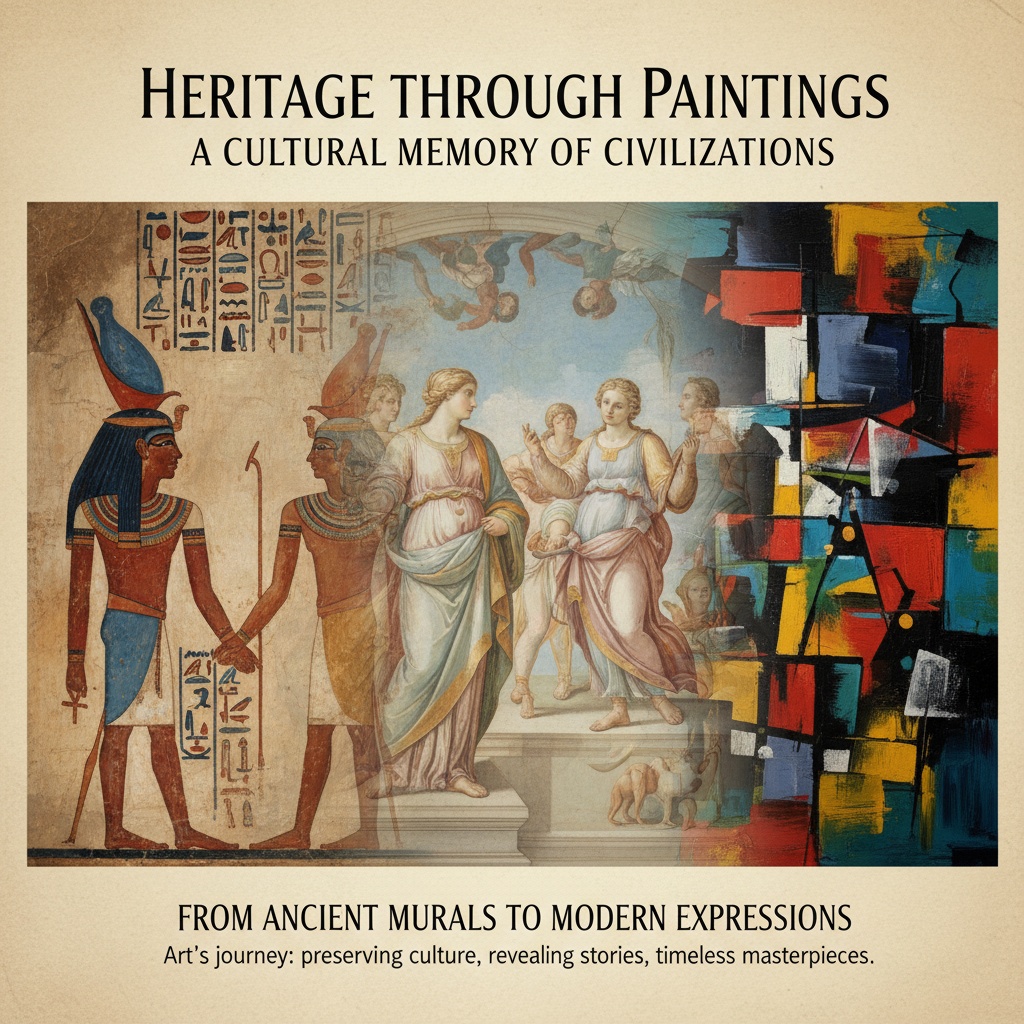
From the ochre handprints pressed onto cave walls millennia ago to the vibrant canvases of contemporary artists, paintings have served as humanity’s most enduring visual chronicle. They are not merely depictions of moments in time; they are vessels containing the spirit, beliefs, and anxieties of entire civilizations. Consider the frescoes unearthed from Pompeii – frozen glimpses into Roman daily life, offering a poignant intimacy that written accounts could never achieve. Or the elaborate murals adorning Egyptian tombs, meticulously detailing religious rituals and the journey to the afterlife. These weren’t simply decorative; they were integral to their culture's understanding of existence itself, a tangible link between the living and the departed.
The power of painting lies in its ability to transcend language barriers and connect us directly with past generations. The Renaissance, perhaps more than any other period, exemplifies this connection. Artists like Leonardo da Vinci didn’t just paint portraits; they captured the very essence of their subjects – their intellect, ambition, and inner lives. The *Mona Lisa*, for example, continues to captivate because it feels less like a representation of a woman and more like an encounter with a soul. This ability to evoke emotion and spark contemplation is what elevates painting beyond mere craftsmanship.
As societies evolve, so too does the function of art. The 19th and 20th centuries witnessed radical shifts in artistic expression, reflecting the anxieties and uncertainties of modernity. Impressionism sought to capture fleeting moments of light and sensation, while Surrealism delved into the depths of the subconscious. These movements weren’t simply stylistic changes; they were profound responses to a rapidly changing world, offering new ways of seeing and understanding reality. The enduring appeal of artists like Van Gogh and Picasso lies in their willingness to challenge conventions and explore the complexities of the human condition.
Defining Heritage: Tangible & Intangible Expressions in Art
 Wikipedia: Cultural heritage
Cultural heritage is the tangible and intangible legacy of a group or society that is inherited from past generations. Not all legacies of past generations are "heritage"; rather, heritage is a product of selection by society. Cultural heritage inclu...
The concept of “cultural heritage” is often discussed, yet its definition remains surprisingly fluid. It encompasses not only tangible elements – buildings, monuments, artworks – but also intangible aspects like folklore, traditions, and language. Paintings fall firmly within the realm of tangible heritage, but their significance extends far beyond their physical form. As Smarthistory points out, questions of ownership and interpretation are central to understanding cultural heritage; whose story is being told, and who has the right to tell it? This raises important ethical considerations regarding repatriation, preservation, and respectful representation.
The deliberate act of preserving cultural heritage is crucial for maintaining societal identity and fostering intergenerational understanding. Museums play a vital role in safeguarding these artifacts, but true preservation requires more than simply protecting physical objects. It demands an ongoing commitment to research, interpretation, and education. Paintings can serve as powerful symbols of national pride, religious faith, or artistic innovation, but they must be presented within their historical context to avoid misinterpretation or appropriation.
Furthermore, the protection of Indigenous intellectual property is paramount. Many cultures have unique artistic traditions deeply intertwined with their spiritual beliefs and social structures. Recognizing these traditions and ensuring proper attribution are essential steps towards respecting cultural diversity. Paintings from diverse cultures offer invaluable insights into different worldviews, challenging Eurocentric perspectives on art history and promoting a more inclusive understanding of human creativity.
Decoding Visual Narratives: The Role of Art History & Iconography
Art history is an academic discipline devoted to the study of artistic production and visual culture throughout human history. Art historians use a historical method or a philosophy, such as historical materialism or critical theory, to analyze artwo...
Art history is the academic discipline dedicated to unraveling the complexities of visual culture throughout time. It’s not simply about memorizing dates and names; it's about understanding the historical, social, and political forces that shaped artistic production. Art historians employ a variety of methodologies – formal analysis, iconographic interpretation, and contextualization – to decipher the hidden meanings within paintings.
Formal analysis focuses on the visual elements themselves: composition, color palette, brushstroke technique, and use of perspective. By carefully examining these elements, art historians can gain insights into the artist’s intentions and the aesthetic conventions of their time. Iconography, however, delves deeper – identifying and interpreting the symbols, allegories, and mythological references embedded within the artwork. This often requires extensive research into religious texts, cultural traditions, and historical sources.
Historical contextualization places the painting within its specific moment in time, considering the social, political, and economic factors that influenced its creation. For example, understanding the patronage system of Renaissance Italy is crucial for interpreting portraits – who commissioned the artwork, why, and what message were they trying to convey? The study of art history also examines the relationship between art and power, exploring how artworks have been used to legitimize authority, promote ideologies, or challenge social norms.
From Medieval Altarpieces to Renaissance Portraits: Key Examples Across Time
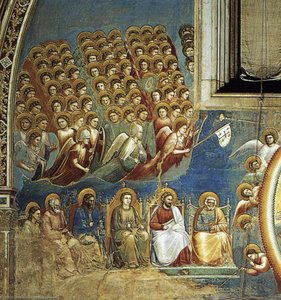
Giotto di Bondone’s *Crucifix* (Rimini), created around 1290-1300, represents a pivotal moment in the transition from Byzantine stylization to a more naturalistic representation of human emotion. Unlike the flat, iconic representations prevalent in earlier art, Giotto imbued his Christ with a palpable sense of suffering and vulnerability. The use of chiaroscuro – the dramatic contrast between light and shadow – heightened the emotional impact of the scene, drawing viewers into the narrative.
The workshop of Sandro Botticelli, renowned for its graceful figures and delicate colors, produced *The Virgin and Child with a Pomegranate*. This painting exemplifies the elegance and refinement of Florentine art during the Early Renaissance. The pomegranate itself held symbolic significance, representing fertility, abundance, and resurrection – alluding to Mary’s role as the mother of Christ and the promise of eternal life. These subtle details reveal a deeper layer of meaning beyond the surface beauty.
Piero della Francesca's *View of the Cappella Maggiore* offers a fascinating example of perspective and spatial representation in Renaissance art. The painting meticulously depicts the interior of a church, showcasing the artist’s mastery of linear perspective and his ability to create a sense of depth and realism. This technical innovation revolutionized painting and paved the way for future generations of artists.
Global Perspectives: Exploring Diverse Artistic Traditions and Their Significance
While Western art history often dominates the narrative, it's crucial to recognize the rich artistic traditions that have flourished across the globe. Aboriginal Australian paintings, for example, are deeply rooted in Dreamtime stories and ancestral beliefs. Artists like kunmanara mumu mike williams blend traditional techniques with modern aesthetics, celebrating their cultural heritage while pushing creative boundaries.
Similarly, South Indian temple art offers a vibrant tapestry of mythology, symbolism, and intricate craftsmanship. Dr. Choodamani Nandagopal specializes in this field, creating captivating depictions of chariots and deities that reflect the spiritual beliefs and artistic traditions of the region. These paintings are not merely decorative; they are integral to religious rituals and serve as powerful conduits for divine energy.
Italian artist Pietro Roccasalva creates complex narratives through installations, sculpture, and painting, often drawing upon art history and cultural references to challenge conventional perspectives. His work demonstrates the enduring power of art to provoke thought, inspire dialogue, and explore the complexities of human experience.
Preservation, Interpretation & the Future of Cultural Heritage Through Paintings
The preservation of paintings is a complex undertaking that requires careful attention to materials, techniques, and environmental factors. Museums around the world employ conservators who specialize in restoring and protecting these fragile artifacts. However, preservation is not simply about maintaining physical integrity; it’s also about ensuring ongoing access and interpretation.
The future of cultural heritage depends on our ability to engage with art critically and respectfully. This requires a commitment to inclusivity, diversity, and ethical representation. We must challenge Eurocentric perspectives and recognize the value of artistic traditions from all cultures. Furthermore, we must embrace new technologies – digital imaging, virtual reality, and online platforms – to make art more accessible to a wider audience.
At ArtsDot.com, we are dedicated to preserving and celebrating the world’s artistic heritage. We offer both hand-painted reproductions of classic masterpieces and museum-quality prints, allowing you to bring the beauty and inspiration of art into your own home. Our skilled artists meticulously recreate each painting with close attention to detail and historical accuracy, ensuring that every piece is a testament to the enduring power of human creativity. Explore our collection today and discover the stories behind iconic artworks – and become part of the ongoing legacy of cultural preservation.