

A Tapestry of Resilience: The Jewish Museum Frankfurt
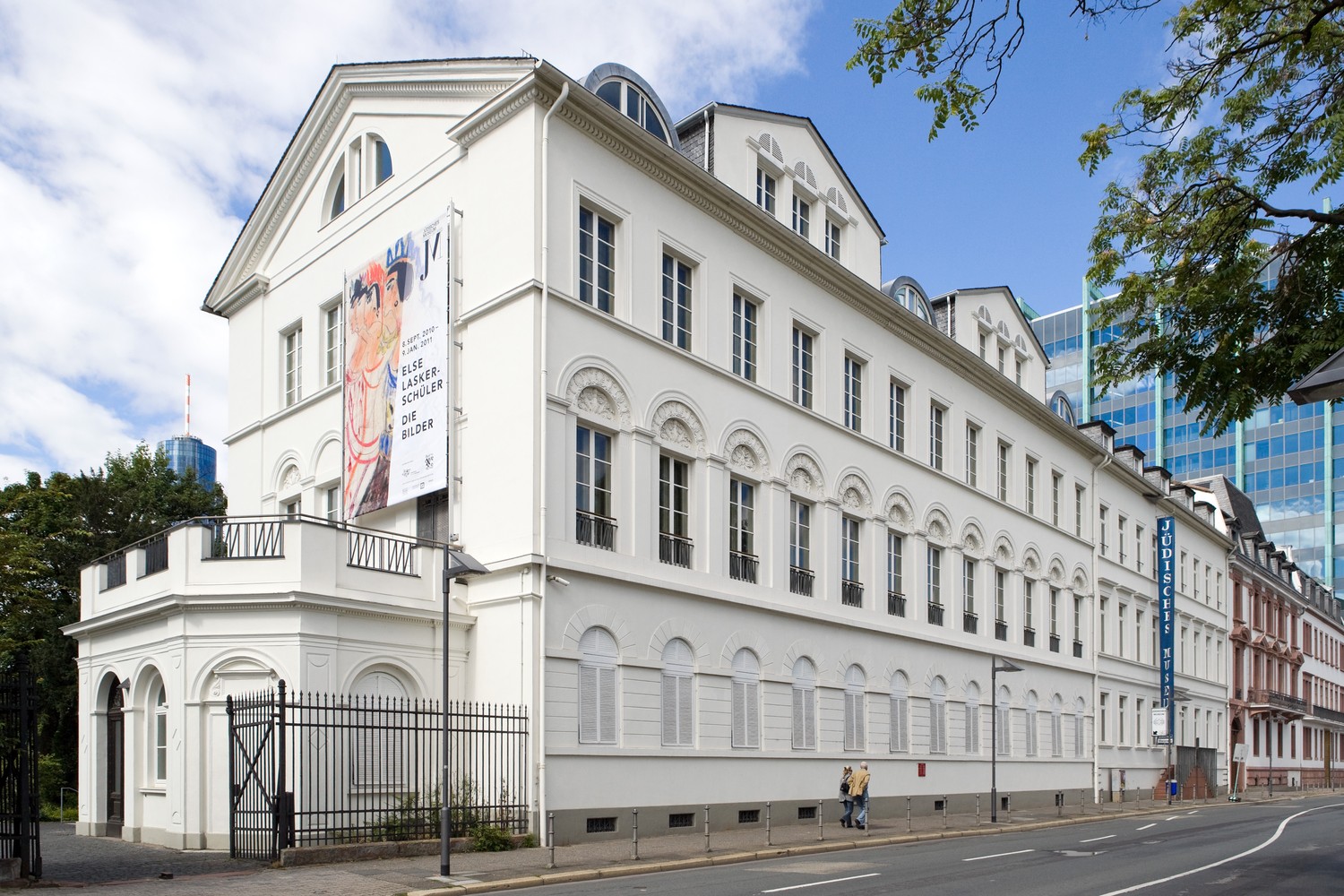
To step into the Jewish Museum Frankfurt is to embark on a profound journey through nine centuries of human experience, where the echoes of a vibrant culture resonate against both opulent grandeur and the stark remains of history. As Germany's oldest independent Jewish museum, it serves as much more than a mere repository for artifacts; it is a living narrative of endurance, creativity, and the complex interplay between identity and society. The museum’s presence in Frankfurt is uniquely dualistic, unfolding across two distinct venues that represent different eras of the Jewish experience. In the majestic Rothschild Palace, one encounters the refined elegance of the 19th century, while at Museum Judengasse, the very foundations of Europe’s first Jewish ghetto emerge from the earth, offering a visceral connection to a community that thrived in isolation long before the modern age.
The architectural soul of the museum is found within these two contrasting spaces. The Rothschild Palace, situated on the Untermainkai, stands as a monument to classical sophistication. Originally built for prominent bankers and later acquired by the legendary Mayer Carl von Rothschild, the palace’s stately interiors provide a breathtaking backdrop for exploring the heights of Jewish integration and achievement in German society. Here, the architecture itself tells a story of prosperity and the delicate balance of influence. In stark, moving contrast, the Museum Judengasse is built around the archaeological remnants of the historic Frankfurt ghetto. Walking through this space, visitors encounter the preserved foundations of nineteen houses, a hauntingly beautiful reconstruction that allows one to physically trace the lives lived within the cramped, bustling quarters of the 15th to 19th centuries. It is a place where history is not just viewed but felt, as the weight of the past settles into the very stones beneath your feet.
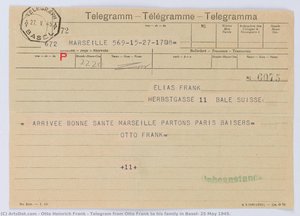
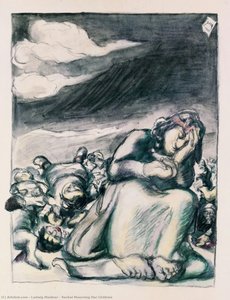
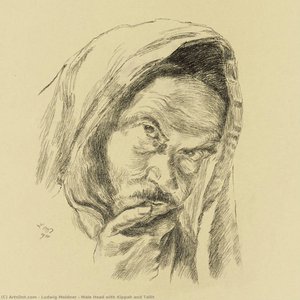
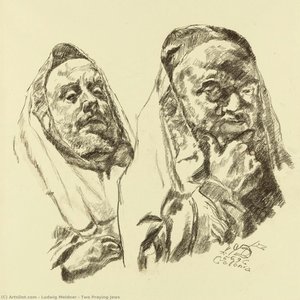
For the art lover and the discerning collector, the museum’s holdings offer an extraordinary breadth of aesthetic and historical significance. The collection is a treasure trove of ceremonial art, where exquisite ritual objects illuminate the deep-seated traditions and spiritual rhythms of Jewish life. Beyond these sacred items, the museum houses profound family histories, including deeply moving exhibits dedicated to the Anne Frank family, which serve as poignant reminders of the human cost of history. The Ludwig Meidner Archive further enriches the museum’s artistic landscape, preserving the works of significant figures such as Meidner, Jacob Steinhardt, and Henry Gowa. These pieces offer a window into the vibrant, often turbulent, German-Jewish artistic movement, characterized by expressive textures and emotional depth that continue to captivate contemporary audiences.
What truly distinguishes the Jewish Museum Frankfurt is its ability to bridge the gap between historical preservation and contemporary dialogue. It does not merely look backward; it actively interprets the past to engage with the pressing themes of identity, memory, and justice in our modern world. Through a rotating program of dynamic exhibitions and educational initiatives, the museum remains a vital cultural beacon. For interior designers seeking to infuse a space with narrative depth, or for historians searching for a profound encounter with heritage, the museum offers an unforgettable experience—a testament to a legacy etched in stone, memory, and an unyielding spirit of hope.