


A Sanctuary of Modernity: The Kemper Museum Experience
In the heart of Kansas City, where the urban pulse meets a profound stillness of contemplation, stands the Kemper Museum of Contemporary Art. Since its doors first opened in 1994, this institution has served as much more than a mere repository for objects; it is a living, breathing testament to the enduring power of human creativity. Founded through the visionary generosity of Bebe and R. Crosby Kemper Jr., the museum was born from a desire to provide Missouri with its first dedicated stage for the avant-garde. To step inside is to enter a realm where the boundaries between the viewer and the viewed begin to dissolve, guided by an unwavering commitment to accessibility that ensures art remains a democratic gift, offered freely to all who seek it.
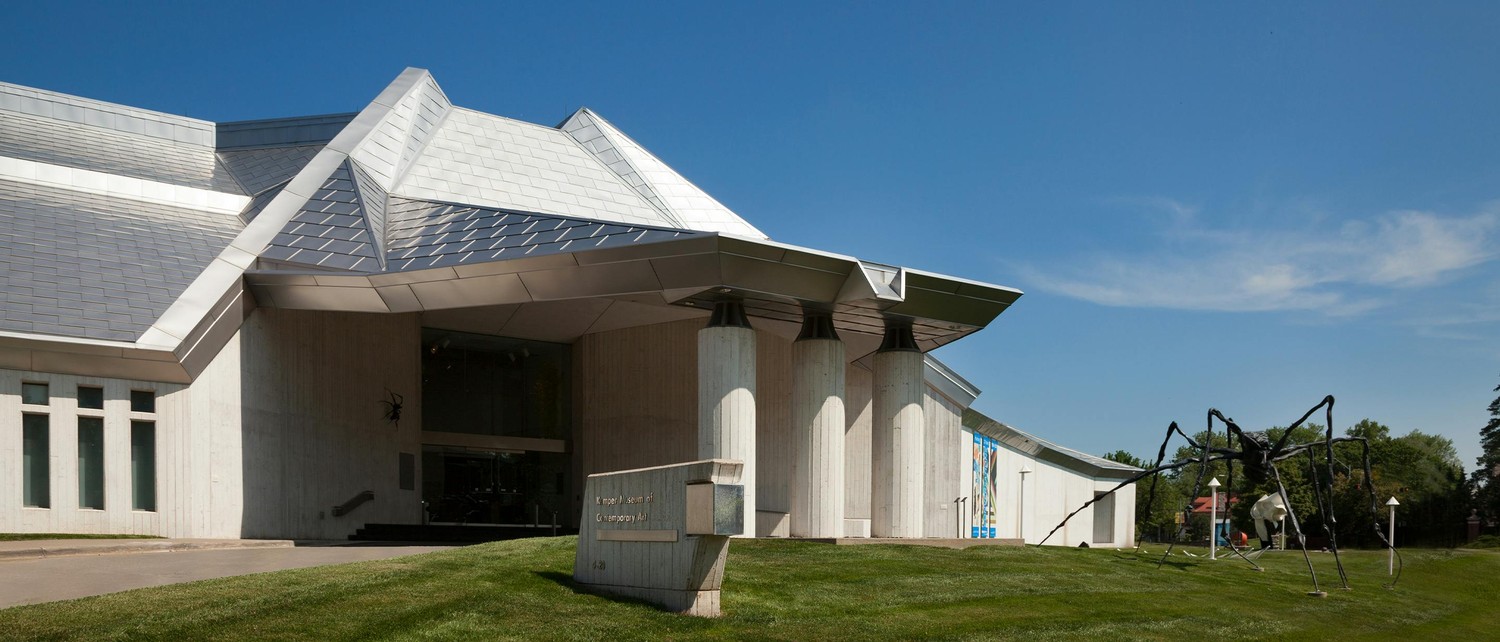
The architectural vessel that houses these treasures is as much a work of art as the canvases it protects. Designed by the renowned Gunnar Birkerts, the building is a masterclass in organic modernism, appearing almost as if it were sculpted by hand from concrete, steel, and glass. The structure avoids the cold rigidity often associated with contemporary institutions, opting instead for flowing forms that mirror the fluidity of the art within. As one moves through the museum, the expansive atrium—bathed in a celestial glow from an articulated skylight—acts as a luminous central hub, pulling visitors toward the wings of permanent and temporary exhibitions. This interplay of light and structural precision creates an atmosphere of weightless elegance, making the very act of walking through the galleries a sensory journey.
A Tapestry of Visionary Masterpieces
The soul of the Kemper resides in its remarkable permanent collection, a curated dialogue between the titans of the twentieth century and the provocateurs of the present day. The museum holds a profound lineage of abstraction and expression, featuring the rhythmic, energetic drips of Jackson Pollock alongside the visceral, gestural power of Willem de Kooning . Visitors can lose themselves in the ethereal color fields of Helen Frankenthaler or trace the meticulous, evocative landscapes of Andrew Wyeth . This collection does not merely display history; it captures the evolution of thought, moving from the radical shifts following the 1913 Armory Show to the complex, multi-media installations that define our current era.
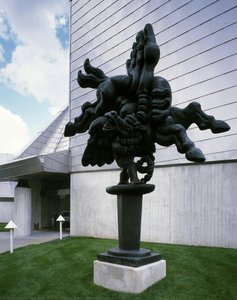
Beyond the canvas, the museum’s reach extends into the tactile and the photographic. The sculpture gardens and galleries challenge perceptions of form through the works of Louise Bourgeois , Jim Dine , and Dale Chihuly , where mass and space are constantly renegotiated. In the photographic realm, the intimate and often confronting imagery of Nan Goldin provides a poignant counterpoint to the grander abstractions, documenting the raw textures of human experience. For the interior designer or collector, these works represent the pinnacle of aesthetic inspiration, offering a profound depth of texture and narrative that can transform any space into a site of intellectual inquiry.
A Cultural Landmark of Connection
What truly distinguishes the Kemper Museum is its ability to weave art into the fabric of daily life. This is perhaps most beautifully realized in Café Sebastienne , where the act of dining becomes an extension of the gallery experience. Within this culinary sanctuary, one might encounter "The History of Art," a breathtaking collection of 110 paintings by Frederick J. Brown, which celebrates African-American artistic heritage and adds a layer of historical richness to the museum's social landscape. Whether it is through the rotating special exhibitions that bring global perspectives to Kansas City or the quiet moments spent in the light-drenched halls, the Kemper remains a vital cornerstone of the American art scene—a place where history is honored, and the future of creativity is perpetually reimagined.