A Legacy Etched in Landscape: The Marsh-Billings-Rockefeller National Historical Park
Nestled within the verdant hills of Woodstock, Vermont, lies a national park unlike any other – the Marsh-Billings-Rockefeller National Historical Park. It isn’t merely a repository of artifacts or a showcase for artistic masterpieces; it is a living testament to America's evolving relationship with its natural world, a place where history breathes in harmony with the rustling leaves of Mount Tom Forest. This remarkable estate tells a compelling story of stewardship, conservation, and the enduring power of family legacies dedicated to preserving the land for generations to come. The park’s essence resides not just in its tangible elements but also in the profound philosophical underpinning of its creation—a conscious decision to honor the wisdom of those who recognized humanity's responsibility toward safeguarding our planet’s beauty and resources.
-
The Marsh-Billings Mansion: Victorian Grandeur Rooted in Observation
-
Mount Tom Forest: A Pioneer of Sustainable Forestry
-
George Perkins Marsh & The Birth of Ecological Thought
-
Frederick Billings: Transforming Farm Land into a Living Laboratory
-
Mary and Laurence Rockefeller: Guardians of Legacy and Conservation Vision
The Marsh-Billings Mansion: Victorian Grandeur Rooted in Observation
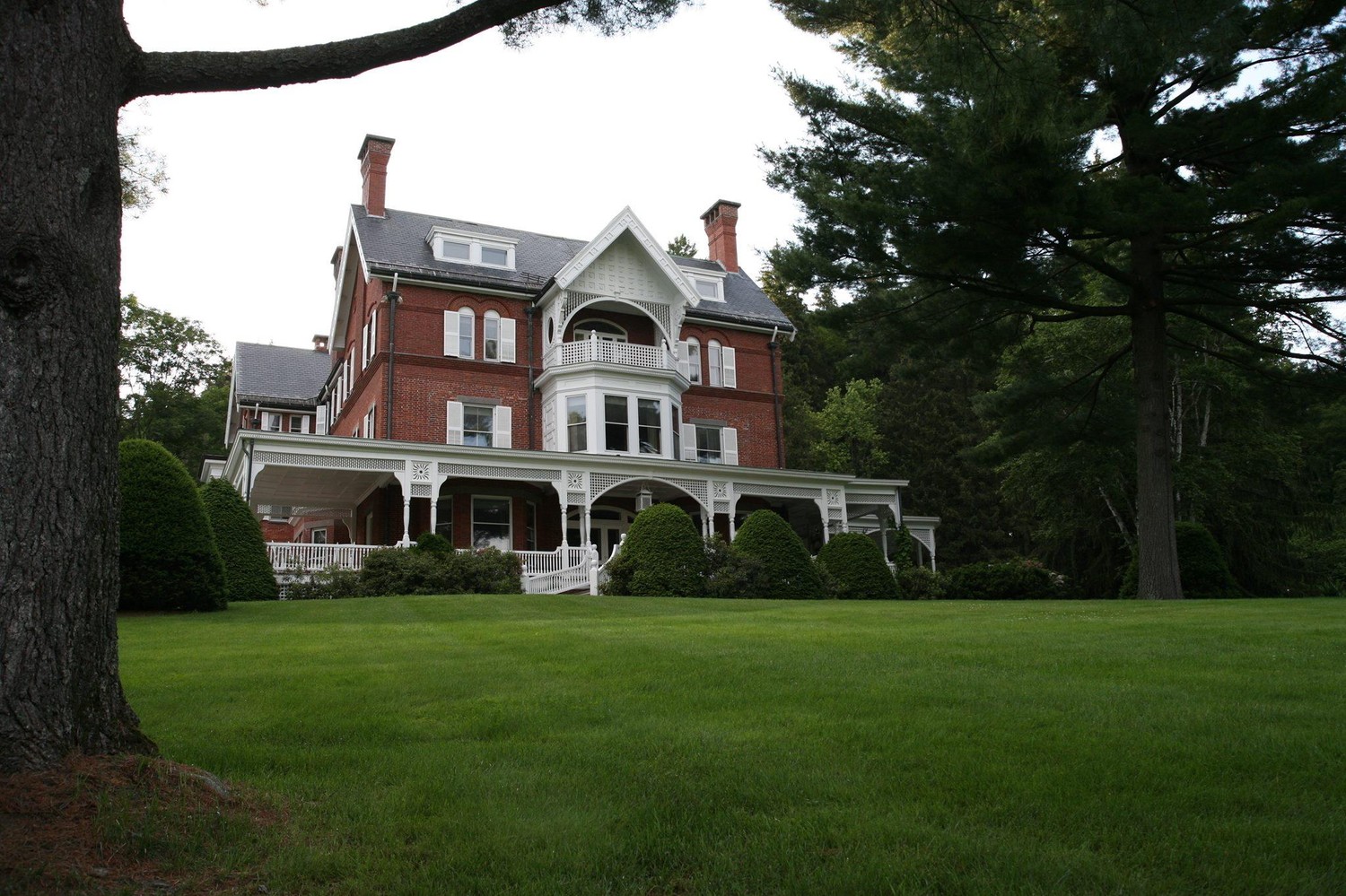
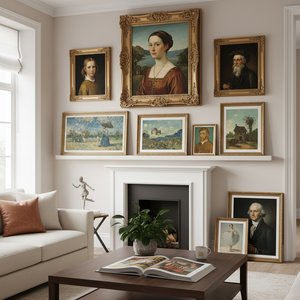
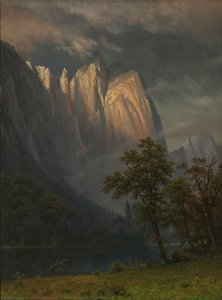
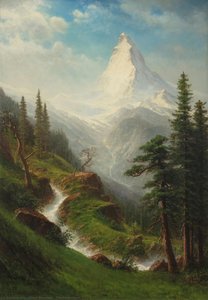
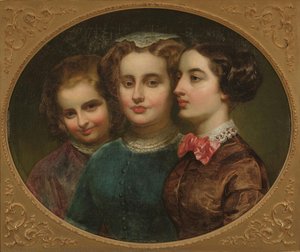
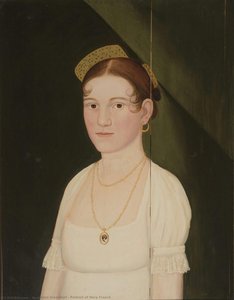
Built in the late 19th century, the mansion itself stands as a magnificent example of Victorian architecture—a deliberate choice reflecting the sensibilities of its founders. More than just opulent decoration, it embodies an intellectual pursuit: observing and responding to the surrounding landscape. The interior spaces are meticulously preserved, offering visitors glimpses into the lives of George Perkins Marsh, Frederick Billings, and Mary and Laurence Rockefeller – each visionary contributing uniquely to the burgeoning conservation movement. Sunlight streams through stained glass windows depicting Vermont flora and fauna, illuminating walls adorned with portraits capturing the spirit of their era. Consider the deliberate placement of artwork—pieces chosen not for mere aesthetic pleasure but for their symbolic resonance with the estate’s core mission: a celebration of natural beauty and an affirmation of human responsibility toward its preservation. The mansion's design isn’t accidental; it’s a visual embodiment of the philosophical framework that shaped Marsh-Billings-Rockefeller’s identity.
Mount Tom Forest: A Pioneer of Sustainable Forestry
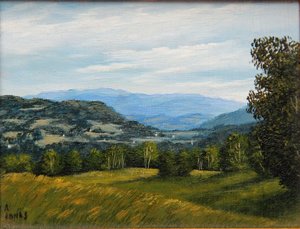
At the heart of this park lies Mount Tom Forest, recognized as the oldest continuously managed scientific forest in the United States—a designation that speaks volumes about its significance beyond mere scenic grandeur. Spanning 550 acres, this woodland isn’t simply a backdrop; it's an active research site where forestry practices are continually refined and adapted to address contemporary environmental challenges. Trails wind through diverse ecosystems – from lush meadows teeming with wildflowers to tranquil wetlands harboring amphibians—allowing visitors to experience firsthand the tangible results of decades of careful stewardship. The forest’s trees, including towering sugar maples and ancient hemlocks, represent more than just timber; they embody a commitment to ecological understanding and responsible land use. Observe how selective harvesting techniques prioritize biodiversity while ensuring long-term economic viability – a testament to the pioneering spirit of Frederick Billings and Laurence Rockefeller.
George Perkins Marsh & The Birth of Ecological Thought
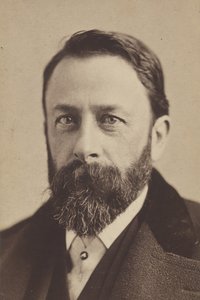
Marsh-Billings-Rockefeller’s narrative begins with George Perkins Marsh—a native Vermonter whose seminal work, “Man and Nature,” published in 1864, fundamentally challenged prevailing notions of limitless resource exploitation. Marsh's observations of deforestation and his astute analysis of its consequences foreshadowed the modern ecological crisis, establishing him as one of America’s first global environmental thinkers. His writings underscored the interconnectedness of human activity and natural systems—a perspective that anticipated the rise of conservation biology and informed subsequent debates about sustainability. Consider how Marsh’s influence extends beyond scientific discourse; it permeates the park's ethos – a belief in recognizing humanity’s role as caretakers of the environment.
Frederick Billings: Transforming Farm Land into a Living Laboratory
Frederick Billings played an equally crucial role in shaping Marsh-Billings-Rockefeller’s legacy—transforming depleted farmland into a thriving, sustainably managed forest. He championed scientific forestry practices, demonstrating how careful planning and selective harvesting could safeguard ecological health while bolstering economic prosperity. Billings's foresight extended beyond timber management; he established gardens and cultivated native plants to enhance biodiversity and create habitats for wildlife—a practice that continues to inspire conservation efforts today. The estate’s architectural design reflects this ethos – incorporating elements of vernacular Vermont craftsmanship alongside innovative technologies aimed at optimizing resource efficiency.
Mary and Laurence Rockefeller: Guardians of Legacy and Conservation Vision
Finally, Mary French Rockefeller and her husband Laurence bequeathed Marsh-Billings-Rockefeller to the National Park Service in 1992—an act of generosity that solidified its commitment to conservation education and underscored the enduring value of family legacies dedicated to protecting Vermont’s natural heritage. Their decision wasn't merely about preserving a beautiful landscape; it was about establishing a model for sustainable land use—a beacon of inspiration for future generations striving to reconcile economic progress with ecological responsibility. The Rockefeller family’s vision—expressed in the park’s thoughtful programming and its embrace of scientific research—represents the culmination of Marsh-Billings-Rockefeller's enduring mission: fostering appreciation for nature and promoting stewardship as a cornerstone of human civilization.