

A Sanctuary of Light and Faith: Exploring the Memling Museum at Sint Jans Hospital
Nestled within the ancient walls of Sint Jans Hospital in Bruges, Belgium—a structure itself steeped in centuries of history as a haven for pilgrims and the sick—lies the Memling Museum. More than simply an art gallery, it’s a profound immersion into the world of Hans Memling, one of the most luminous figures of the Early Netherlandish painting tradition, and a testament to the enduring power of faith, craftsmanship, and human compassion. Stepping through its unassuming entrance is akin to crossing a threshold into a living tapestry woven with threads of medieval life, artistic devotion, and an unexpectedly vibrant contemporary spirit.
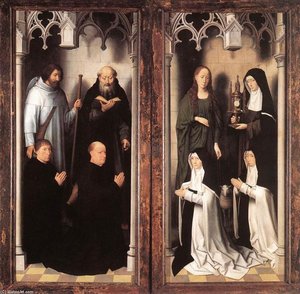
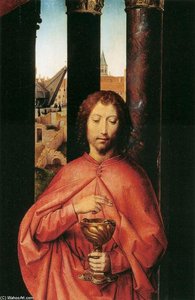
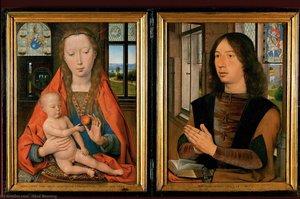
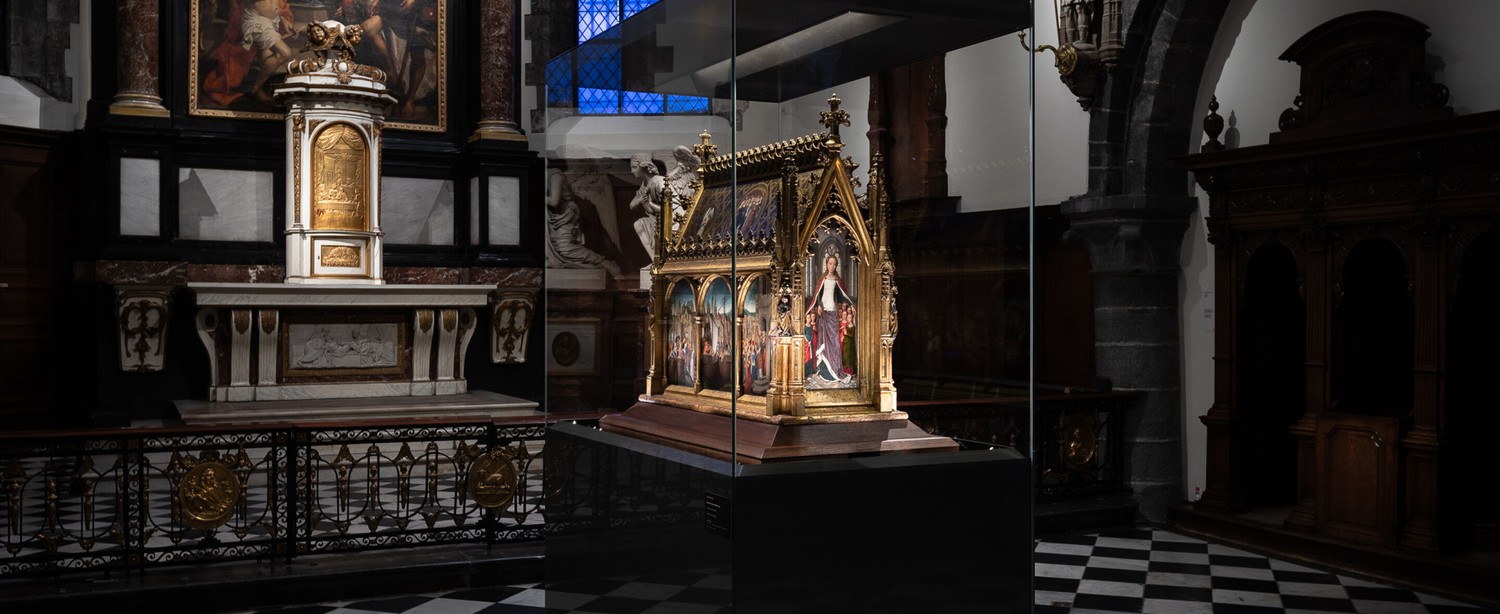
The museum’s core resides in its breathtaking collection of Memling's masterpieces, primarily those created during his time as the court painter for the Burgundian dukes. These aren’t merely depictions of biblical scenes; they are meticulously rendered meditations on grace, suffering, and redemption—infused with a startlingly intimate realism that draws the viewer into the very heart of each narrative. The centerpiece, undoubtedly, is the Triptych of Saint John the Baptist and Saint John the Evangelist (c. 1480-1490). The sheer detail is astonishing: the folds of their robes ripple with an almost palpable texture, the play of light on skin suggests a breathtakingly lifelike quality, and the expressions—a blend of solemnity and contemplation—speak volumes about the spiritual journey undertaken by these figures. Equally captivating is the Relic Shrine of Saint Ursula (c. 1485-1490), a monumental achievement in devotional art. This isn’t simply an object to be admired; it's a complex, layered experience—a soaring architectural structure crowned with intricate sculptures and vibrant paintings that honor the legendary saint. The shrine is a masterful demonstration of Memling’s ability to synthesize architecture, sculpture, and painting into a single, unified whole, creating a space for profound reverence.
The Bones of Bruges: Sint Jans Hospital's Architectural Legacy
To fully appreciate the art within, one must first acknowledge the extraordinary building itself. Sint Jans Hospital isn’t just a backdrop; it’s an integral part of the experience. Founded in the mid-12th century as a refuge for pilgrims and the afflicted, the hospital stands as one of Europe's oldest surviving examples of a medieval institution—a remarkably preserved testament to a bygone era. Its imposing Gothic arches, soaring vaulted ceilings, and cool stone walls evoke a sense of solemn grandeur, transporting visitors back centuries. The original wards, now carefully restored, retain their austere beauty, offering glimpses into the lives of those who sought solace within these walls. The building’s evolution over time—from a hospital to a monastery, then back to a hospital again—is subtly reflected in its architecture, creating a fascinating palimpsest of history. The courtyard, with its tranquil atmosphere and ancient paving stones, provides a welcome respite from the museum's interior, offering a space for quiet contemplation amidst the weight of centuries.
Beyond the Canvas: A Living Museum of Dialogue
What truly distinguishes the Memling Museum is its commitment to fostering dialogue between past and present. The museum doesn’t simply preserve art; it actively seeks to engage with contemporary artists, creating exhibitions that challenge conventional notions of art history and invite visitors to consider how artistic expression evolves across time while remaining rooted in universal human experiences. Recent installations have juxtaposed Memling's serene devotional scenes with the provocative works of artists like Berlinde De Bruyckere, creating a dynamic tension between tradition and innovation. This isn’t jarring; rather, it feels organic—a conversation between different eras and perspectives that enriches our understanding of both the past and the present. The museum also hosts workshops and educational programs designed to engage visitors of all ages, fostering a deeper appreciation for art and its cultural significance.
A Tapestry of Stories: Research & Connections
The Memling Museum’s collection is not isolated; it's deeply intertwined with the broader history of Bruges and the artistic landscape of the Early Netherlandish period. Further research reveals connections to other significant artists, such as Hans the Younger Leu, whose portraiture shares stylistic similarities with Memling’s work. The museum actively utilizes digital resources—including interactive maps and virtual tours—to provide visitors with a deeper understanding of the context in which Memling's art was created. The museum also maintains strong relationships with other institutions around the world, facilitating collaborative exhibitions and research projects. For example, the museum is currently involved in a project examining the influence of Memling’s work on Italian Renaissance artists.
A Journey Through Time & Spirit
Visiting the Memling Museum at Sint Jans Hospital is more than just a sightseeing excursion; it's a pilgrimage into the heart of artistic genius and spiritual devotion. It’s a place where the echoes of medieval life resonate alongside the brilliance of Renaissance painting, creating an experience that is both profoundly moving and intellectually stimulating. From the breathtaking beauty of Memling’s masterpieces to the architectural grandeur of Sint Jans Hospital itself, this museum offers a rare opportunity to connect with the past in a meaningful way—a testament to the enduring power of art to illuminate our understanding of ourselves and the world around us.