


A Legacy of Artistic Vision: Exploring the Minneapolis Institute of Art
The Minneapolis Institute of Art (Mia) stands as a profound beacon of artistic heritage in the American Midwest, offering visitors an unparalleled journey through millennia of creative expression. Founded in 1883 by the Minneapolis Society of Fine Arts with a singular, noble ambition—to enrich the cultural tapestry of Minnesota—the museum’s evolution mirrors the very growth of the city itself. From its modest beginnings nestled within the local public library to its magnificent Beaux-Arts edifice, Mia embodies a steadfast dedication to preserving artistic treasures and fostering an enduring intellectual curiosity. To walk through its halls is to traverse time, moving from the ancient whispers of antiquity to the vibrant, challenging dialogues of the contemporary era.
The museum’s extraordinary collection boasts over 100,000 artworks, presenting a breathtaking panorama of human achievement across five distinct curatorial areas: Arts of Global Africa, Global Contemporary Art, Asian Art, European Art, and Arts of the Americas. Visitors can lose themselves in the grandeur of Chinese imperial art or marvel at the intricate beauty of jade sculptures that reflect ancient spiritual beliefs. The collection offers a masterclass in texture and form, from monumental bronze castings that commemorate historical triumphs to exquisitely painted porcelain ceramics showcasing unparalleled craftsmanship. For the connoisseur of European traditions, the museum houses iconic works by masters such as Rembrandt, Monet, Picasso, and Warhol , allowing one to trace the dramatic trajectory of artistic innovation from the golden light of Baroque brilliance to the luminous experiments of Impressionism and the fractured perspectives of Cubism.
Architectural Harmony: Where Tradition Meets Innovation
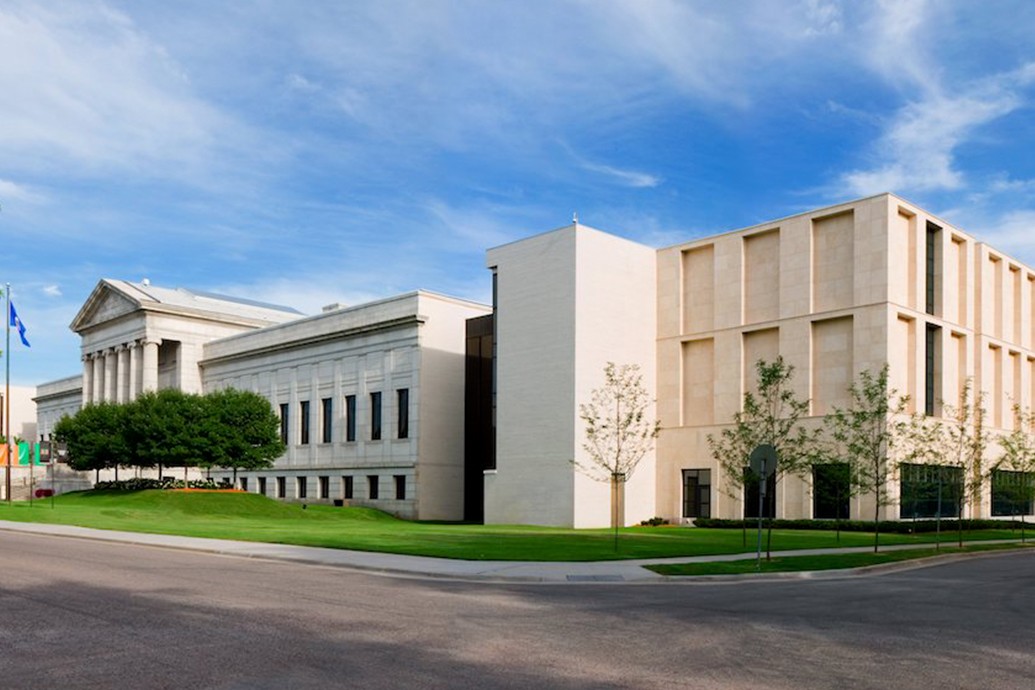
The architectural setting of the institute is as much a masterpiece as the art it protects. The original building, a testament to civic pride and architectural ambition, was conceived by the celebrated firm McKim, Mead & White . Completed in 1915, the structure exemplifies the timeless elegance of the Beaux-Arts style, characterized by its symmetrical proportions, monumental scale, and opulent ornamentation. Its soaring façade, adorned with sculpted reliefs and intricate stonework, captures the grandeur of a bygone era.
This classical foundation has been thoughtfully augmented over the decades, creating a dialogue between eras. The daring 1974 addition by Kenzo Tange and the fluid, colorful designs by Michael Graves demonstrate Mia’s remarkable ability to harmonize historical splendor with modern architectural sensibilities. This seamless blend of styles creates a dynamic space where tradition and innovation coexist, providing an inspiring backdrop for both contemplative study and grand aesthetic discovery.
A Living Center for Community and Connection
What truly distinguishes the Minneapolis Institute of Art, however, is its profound connection to the pulse of the community. Beyond the silent majesty of its galleries, Mia is a living, breathing center for engagement. Through initiatives like the Art Adventure Program , which introduces over 100,000 elementary schoolchildren annually to the wonders of visual literacy, the museum nurtures the next generation of creators and thinkers. Its public programs—ranging from scholarly lectures and artist residencies to collaborative exhibitions—ensure that the museum remains a vital forum for social discourse.
By championing artistic dialogue across cultures and maintaining a generous admission policy, Mia ensures that art remains an accessible, transformative force for all. It invites every visitor, whether they are a seasoned collector, an interior designer seeking inspiration, or a curious passerby, to contemplate complex ethical questions and find beauty in the diverse narratives of our shared human experience.