 Preview
 Send
Send Share
Share
 Details

 Download
 Similars
 X-Ray
X-Ray Diaporama
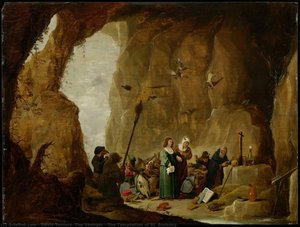
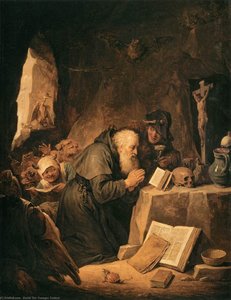
The Temptation of St. Anthony


 Read More
Hand Made Oil Reproduction
Hand-painted oil on canvas in your size and frame, made to order by our artists. ( Buy Print Buy Image)




P118B $10

P118H $10

P118W $10

P438Z $10

P508JH $12

P508YH $12

P805H $10

P805Z $10

P919BZ $10

P919G $10

P919XJ $10

P959ZH $10

P968JZ $12

W106C $8

W218G $10

W218JH $8

W218Y $10

W307PJ $10

W316G $10

W316PJ $8

W316Y $10

W398PJ $8

W4111J $10

W500HY $15

W500JH $15

W692G $12

W849H $8

W940BG $15

W953PJ $8




Pick from our preset sizes that match the artwork's original proportions.

You may enter your own dimensions to fit a specific frame or space. If your selected size does not match the original image's proportions, we will either crop the artwork or extend the painting with additional hand-painted elements. A digital mockup will be sent for your approval before production begins.
Please note that the on-screen preview does not reflect the actual cropping or extension. Only the mockup will accurately show the final composition.
While custom sizes are available, we recommend selecting a dimension from the predefined list to preserve the original proportions.
After order, ArtsDot.com team will email client for instructions and provide a mockup preview
Worldwide Delivery () in 3/4 weeks instead of standard 5 weeks. (16 August). No compromise on quality.

Free Worldwide Express Shipping

High-Quality Linen Canvas

Full Shipping Insurance

Customs Tax Refund Guarantee

True Color Matching Guarantee

60-Day Return Policy (Defects Only)

100% Money-Back Guarantee

Bulk Discount Offer
 Glass option is only available in size under 110 CM

The Temptation of St. Anthony
Reproduction Medium
Reproduction Size
-


Total Price
$ 538
Artwork Description
The Tormented Saint: David Teniers the Younger’s “The Temptation of St. Anthony”
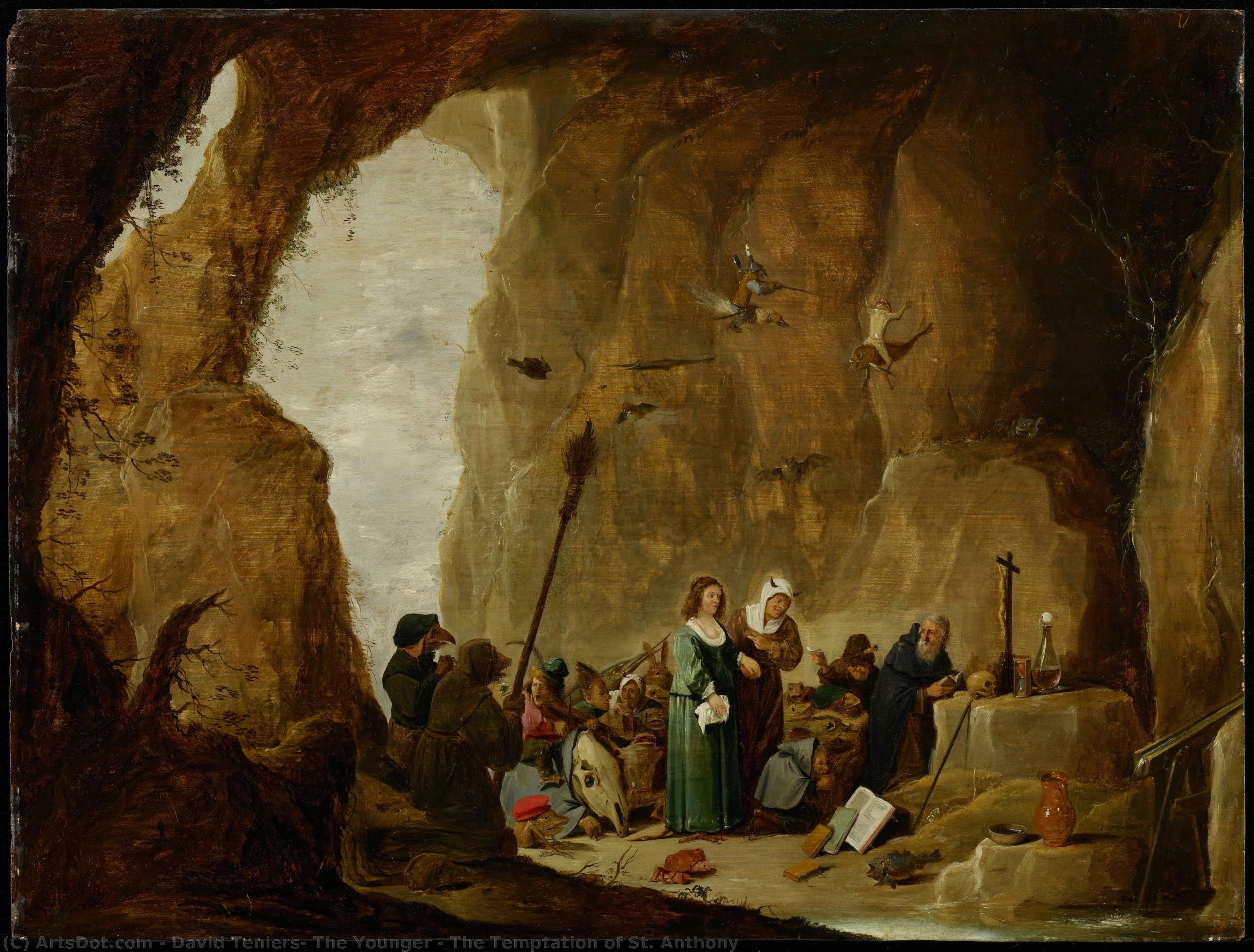
David Teniers the Younger's "The Temptation of St. Anthony," painted around 1640, is not merely a depiction of a biblical scene; it’s a visceral exploration of faith, vulnerability, and the relentless struggle against inner demons. This arresting work, housed within the confines of a rugged, cavernous landscape reminiscent of the arid landscapes associated with the saint's solitary life, immediately plunges the viewer into an atmosphere of profound unease and psychological tension. Teniers, a master of Flemish Baroque painting, skillfully employs a rich tapestry of color, dramatic lighting, and intricate detail to convey the saint’s agonizing battle against overwhelming temptation – a battle that resonates far beyond the confines of religious iconography.
The composition itself is deliberately chaotic, mirroring the turmoil within St. Anthony's soul. The central figure, rendered in muted browns and ochres, kneels in a posture of desperate resistance, clutching a wooden cross as if to ward off an unseen threat. His face, etched with worry and exhaustion, reflects the weight of his ordeal. Surrounding him is not a serene wilderness but a grotesque parade of fantastical creatures – beaked beasts dressed as pilgrims, a grinning toad, a diminutive dwarf riding a skeletal animal, and shadowy figures that evoke the very essence of demonic influence. These aren’t simply monstrous additions; they are potent symbols representing the myriad forms temptation can take: worldly desires, fleeting pleasures, and the insidious whispers of doubt.
Teniers' technical mastery is evident in every brushstroke. The artist utilizes a layered technique, building up textures with meticulous detail to capture the rough surfaces of the rocks, the shimmering scales of the fantastical beasts, and the folds of St. Anthony’s garments. Notice particularly the use of glazing – thin layers of translucent paint applied over dried underlayers – which creates an astonishing sense of depth and luminosity within the shadowed recesses of the cave. The lighting is dramatically directional, casting long, stark shadows that heighten the feeling of claustrophobia and isolation. This chiaroscuro effect not only emphasizes St. Anthony’s vulnerability but also draws the viewer's eye to the central drama unfolding before them.
A Symphony of Symbolism
Beyond its immediate visual impact, “The Temptation of St. Anthony” is a treasure trove of symbolic meaning. The setting itself – a desolate, rocky landscape – represents the spiritual wilderness that St. Anthony must traverse to achieve enlightenment. The presence of the various demonic figures isn’t simply a depiction of evil; it's an allegory for the internal struggles inherent in any path towards faith. Each creature embodies a specific temptation: the pilgrims represent worldly distractions, the toad symbolizes deceit, and the dwarf embodies greed. Even the seemingly innocuous objects – the statue of a nude woman, the obelisk, the tower – carry symbolic weight, representing lust, ambition, and pride.
The inclusion of elements from classical antiquity—the Roman obelisk, for instance—adds another layer of complexity to the painting. It suggests a tension between the saint’s spiritual struggle and the enduring legacy of human civilization. The reference to the Escorial, a grand palace in Spain commissioned by Philip II, further reinforces this theme, hinting at the conflict between earthly power and divine authority. The reversed hooves of the horse figure, representing Satan, are a particularly striking detail—a visual echo of medieval iconography that emphasizes the forces of darkness.
Flemish Baroque at its Finest
“The Temptation of St. Anthony” is a quintessential example of Flemish Baroque painting, showcasing the movement’s characteristic blend of realism, dramatic intensity, and intricate detail. David Teniers the Younger, deeply influenced by his father and master Rubens, expertly combines these elements to create a work that is both visually stunning and profoundly moving. The artist's meticulous attention to texture—the rough stone, the shimmering scales, the folds of fabric—grounds the fantastical imagery in a tangible reality. Furthermore, Teniers’ ability to evoke a sense of psychological depth through his portrayal of St. Anthony’s tormented expression is truly remarkable.
The painting's emotional impact stems from its honest depiction of human vulnerability and the enduring struggle against temptation. It’s not a triumphant victory over evil but rather a poignant reminder of the constant vigilance required to maintain one’s faith. “The Temptation of St. Anthony” remains a powerful testament to the complexities of the human condition, rendered with exquisite skill and profound insight by David Teniers the Younger.
Related Artworks
Artist Biography
David Teniers the Younger: Life and Legacy
Early Life and Family Background
- Born: Antwerp, Belgium, December 15, 1610.
- David Teniers the Younger came from a family deeply rooted in the artistic tradition of Flanders. His father, David Teniers the Elder, was also a painter, and several of his siblings pursued careers as artists.
- Training: He initially studied under his father, receiving foundational training in painting techniques and styles.
- The family faced financial difficulties at times, leading young David to make copies of older master paintings to contribute to the household income.
Artistic Development and Influences
- Early Influences: His early work was heavily influenced by his father’s style, focusing on smaller-scale cabinet paintings. He also absorbed influences from other Flemish masters like Pieter Bruegel the Elder.
- Rubens' Impact: A pivotal moment in Teniers’ development came through his association with Peter Paul Rubens. He married Anna Brueghel, daughter of Jan Brueghel the Elder, and Rubens served as a witness at their wedding, establishing a close relationship.
- Genre Specialization: Teniers gradually specialized in genre painting – depictions of everyday life – becoming renowned for his lively scenes of peasant festivals (kermesses), tavern interiors, and village landscapes.
Major Works and Artistic Style
- Genre Scenes: His most celebrated works are his genre paintings. These often depict bustling scenes of peasant life filled with merriment, dancing, drinking, and games.
- Kermess Paintings: The “Flemish Kermess” series exemplifies his style – vibrant colors, detailed compositions, and a keen observation of human behavior.
- Landscape Painting: Teniers also produced charming landscape paintings, often incorporating figures engaged in rural activities.
- Tavern Interiors: His tavern scenes are particularly notable for their realistic portrayal of everyday life and the lively atmosphere within these establishments.
Court Painter and Curator
- Service to Archduke Leopold Wilhelm: Teniers’ talent gained recognition at the Habsburg court. He became a court painter and curator for Archduke Leopold Wilhelm, the Governor General of the Spanish Netherlands.
- Collection Management: As curator, he was responsible for managing the Archduke's extensive art collection, creating an inventory and cataloging the works.
- Founding the Antwerp Academy: Teniers played a crucial role in establishing the Antwerp Academy of Fine Arts, aiming to revitalize Flemish painting after a period of decline following the deaths of Rubens and Van Dyck.
Historical Significance and Legacy
- Leading Genre Painter: David Teniers the Younger is considered the leading Flemish genre painter of his time, capturing the essence of 17th-century life with remarkable skill.
- Influence on Later Artists: His work influenced subsequent generations of Northern European painters and even impacted French Rococo artists like Antoine Watteau.
- Prolific Output: Teniers was an incredibly prolific artist, producing a vast body of work that continues to be admired for its charm, detail, and historical insight.
- Death: He died in Antwerp on April 25, 1690, leaving behind a lasting legacy as one of Flanders’ most important Baroque painters.
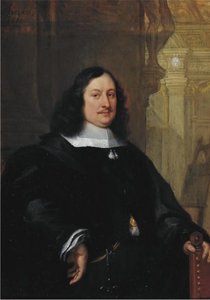
David Teniers the Younger
1610 - 1690 , Belgium
Quick Facts
- Birth Date: 1610
- Birth Place: Antwerp, Belgium
- Death Date: 1690
- Influenced By: Peter Paul Rubens
- Movement: Baroque
- Name: David Teniers the Younger
- Nationality: Flemish
- Notable Works:
- Two Drunkards
- Village Scene
- Kitchen Scene
- Flemish Kermess
Related Articles
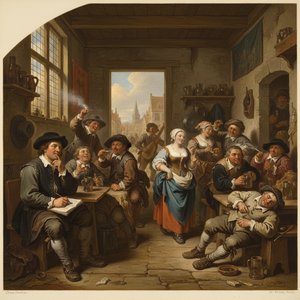
David Teniers the Younger: Genre Painting & Social Commentary in Baroque Flanders
Explore the captivating world of David Teniers the Younger, a leading Flemish Baroque painter. Discover his genre scenes, social commentary, and lasting influence on 17th-century art. Learn about his life, techniques & legacy.
David Teniers II: Master of Flemish Genre & Social Commentary
Explore the captivating world of David Teniers II, a leading Flemish Baroque painter renowned for his lively genre scenes & insightful social commentary. Discover his masterpieces and legacy with ArtsDot.

Baroque Drama: Bringing Opulence & Emotion into Contemporary Interiors
Explore the opulent world of Baroque interior design! Discover key elements, modern applications & how to bring dramatic elegance into your home with 's authentic reproductions.

The Dramatic Flourish: Exploring the Baroque Movement's Enduring Legacy in Art History
Explore the dramatic world of Baroque art! Discover iconic artists like Caravaggio & Rubens, defining techniques, and its lasting impact on art history. Expert insights for collectors & enthusiasts at ArtsDot.

Baroque Masterpieces: 10 Paintings That Defined an Era |
Journey through the drama & grandeur of Baroque art! Explore 10 masterpieces by Caravaggio, Rembrandt, Rubens & more. Discover stunning oil paintings, rich colors & timeless stories. Find museum-quality reproductions at .