
A Beacon of Rebirth: The Soul of Le Havre
In the heart of Le Havre, where the salt spray of the English Channel meets the resilient spirit of Normandy, stands the Musée D'art Moderne André Malraux . More than just a repository for canvas and stone, this institution serves as a profound symbol of post-war resurrection. Conceived by the visionary former Minister of Culture, André Malraux, the museum was born from a deep-seated conviction that art possesses the unique power to heal the wounds of history. Following the devastating aerial bombardments of World War II, which left much of the city in ruins, the establishment of this museum in 1961 represented a deliberate choice to confront destruction with beauty and to rebuild a national identity through the lens of creativity.
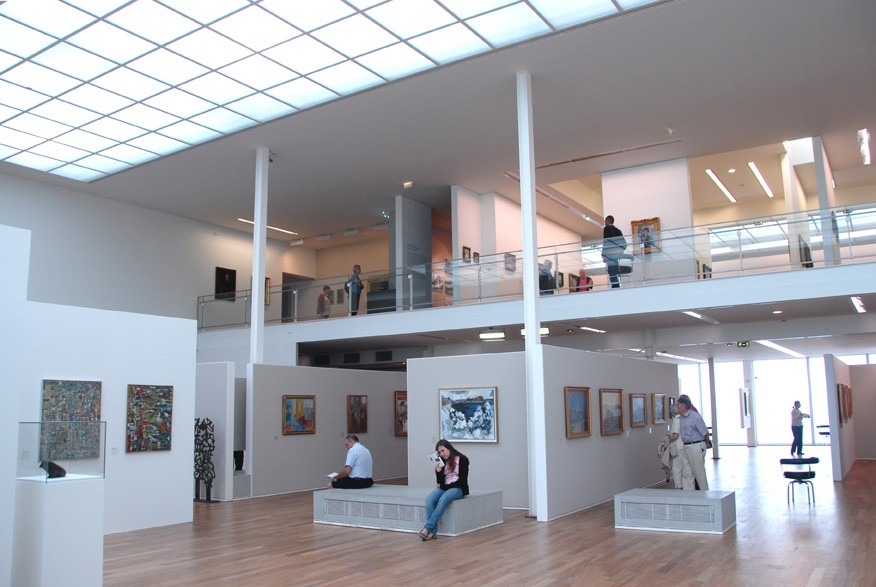
The very architecture of the museum tells a story of light and hope. Designed by the architect Guy Lanoir , the structure is a masterclass in modern spatial design, intended to mirror the reconstruction of Le Havre itself. The interior is characterized by an ethereal quality, achieved through the ingenious use of aluminum louvers and translucent panels that filter the natural Normandy light. This deliberate manipulation of luminosity creates a warm, inviting atmosphere that pays homage to the Impressionist obsession with the fleeting effects of sun and shadow. As visitors wander beneath its soaring ceilings and through expansive, light-filled galleries, they experience a seamless dialogue between the built environment and the natural coastal radiance that has long inspired the region's masters.
A Tapestry of Light and Color
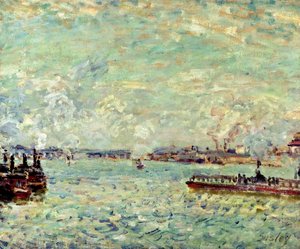
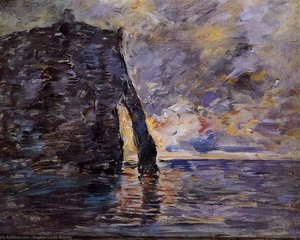
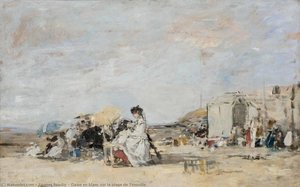
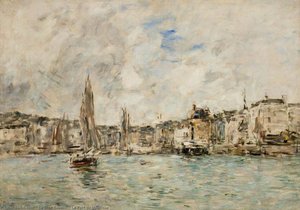
The museum’s collection is a breathtaking journey through the evolution of modern thought, anchored by the prestigious Normandy Collection of Impressionism and Modern Art . This curated treasury houses over 205 significant works that capture the essence of the French landscape and the shifting tides of artistic movements. At the heart of this collection lies the magic of Claude Monet , whose canvases act as windows into a vanished era, meticulously documenting the interplay of light upon the Norman coastline during and after the Great War. His ability to dissolve form into pure atmosphere provides a spiritual anchor for the museum, connecting the viewer to the historical continuity of the region.
Beyond the Impressionist masters, the halls of MUMA invite exploration into the bold experiments of the twentieth century. The collection breathes with the vibrant energy of Pierre Bonnard and the rhythmic compositions of Albert Marquet , offering a diverse aesthetic experience that ranges from the delicate to the monumental. For the collector or the interior designer, these works represent more than mere decoration; they are studies in color theory, texture, and emotional resonance. The inclusion of works by Henri Matisse further expands this dialogue, pushing the boundaries of artistic language and inviting a deeper contemplation of form and space. To walk through MUMA is to witness a curated timeline of human expression, where each brushstroke serves as a testament to the enduring triumph of the creative spirit over the shadows of the past.