

A Symphony of Art and Wilderness: The Soul of Hôtel de Guénégaud
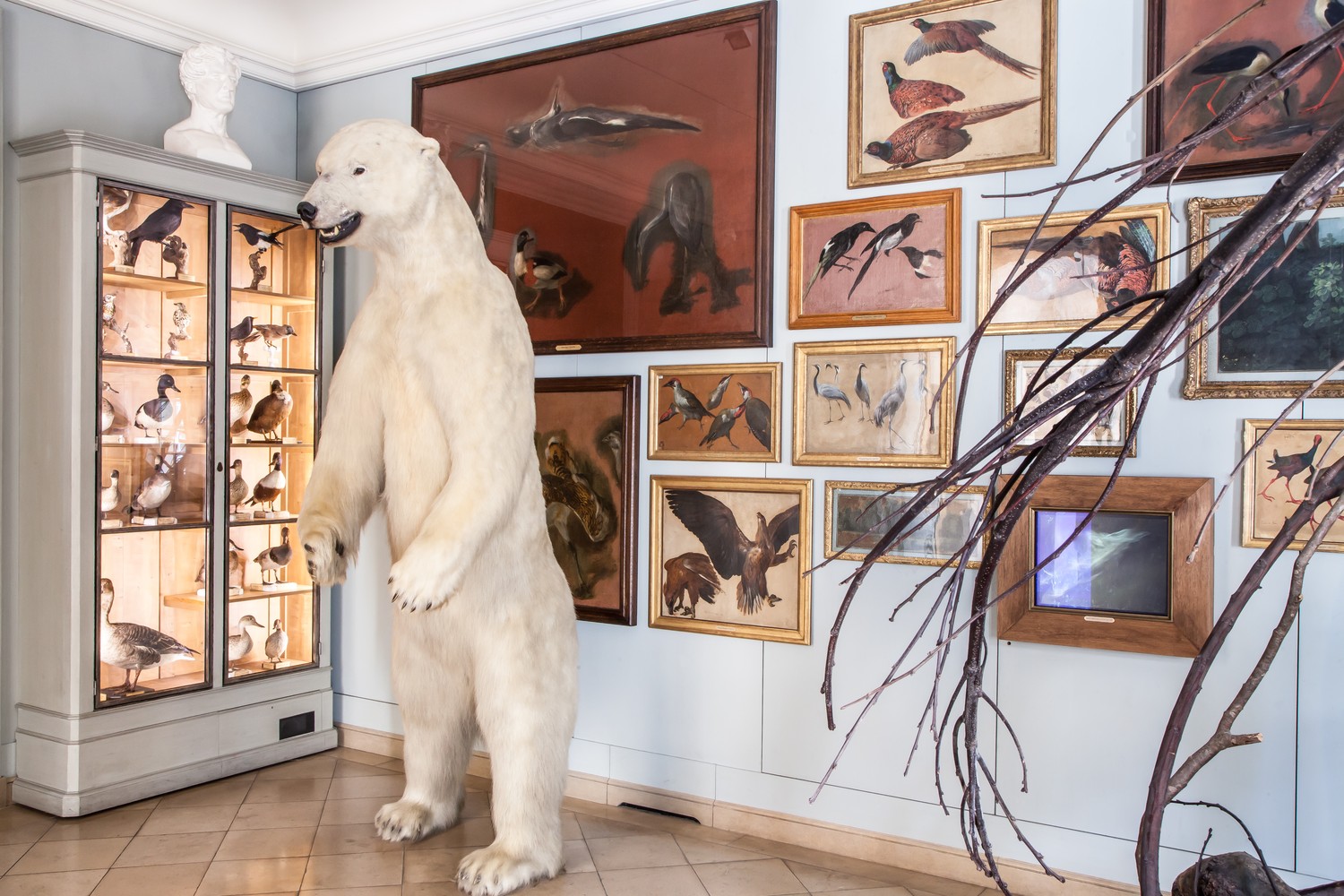
In the heart of Paris, tucked away within the aristocratic shadows of the Marais, lies a sanctuary where the boundaries between the wild and the refined dissolve into a singular, breathtaking vision. The Musée de la Chasse et de la Nature is far more than a mere repository of historical artifacts; it is an immersive odyssey that explores the profound, often complex, dialogue between humanity and the natural world. Housed in the magnificent 17th-century Hôtel de Guénégaud, designed by the legendary François Mansart, the museum offers an atmosphere of whispered elegance. As one wanders through wood-paneled salons adorned with intricate carvings, the architecture itself acts as a silent protagonist, providing a stately, classical stage for the raw, primal beauty of the collections within.
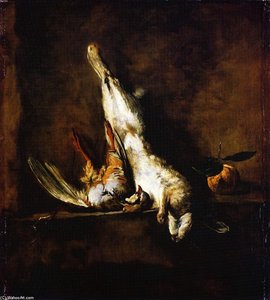
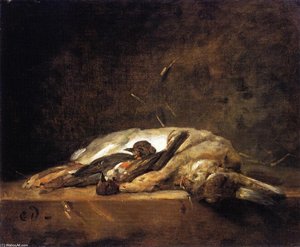
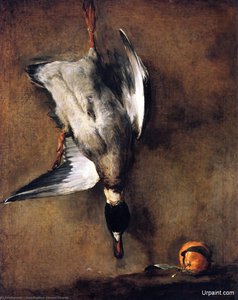
The museum’s true magic lies in its ability to juxtappose the delicate brushstrokes of the Old Masters with the visceral reality of taxidermy. To walk through these halls is to witness a curated tension between life and stillness. One might find themselves standing before the monumental, opulent landscapes of Rubens , where noble animals roam through idealized terrains, only to turn and encounter the quiet, soulful realism of Jean-Baptiste Chardin. His depictions, such as “A Rabbit, Two Thrushes and Some Straw on a Stone Table,” possess an understated gravity that transcends simple zoological observation, imbuing the subjects with a profound symbolic resonance that speaks to the human condition.
For the discerning collector or interior designer, the museum serves as an unparalleled masterclass in thematic curation and atmospheric layering. The collection is not merely a display of hunting trophies but a sophisticated narrative of cultural evolution. From the allegorical depths of Lucas Cranach the Elder to the contemporary provocations of artists like Jeff Koons , the museum bridges centuries of artistic thought. The exhibition design itself is transformative; rooms are often reimagined as sensory environments, embellished with antlers, vines, and organic textures that challenge the traditional white-cube gallery experience. This creates a space where historical weaponry—including firearms once belonging to French royalty—is not viewed in isolation, but as part of a larger tapestry of human technological and societal change.
Ultimately, the Musée de la Chasse et de la Nature offers a rare opportunity for reflection. It invites us to look beyond the surface of decoration and contemplate our enduring fascination with the animal kingdom. Whether through the lens of Renaissance grandeur or modern installation art, the museum reminds us that nature is not merely a subject to be observed, but a mirror in which we see our own history, our ethics, and our very essence reflected. It remains a destination of profound beauty, where every shadow and every specimen tells a story of our shared existence with the wild.