
A Jewel of the Volga: The Soul of Tatarstan’s Artistic Heritage
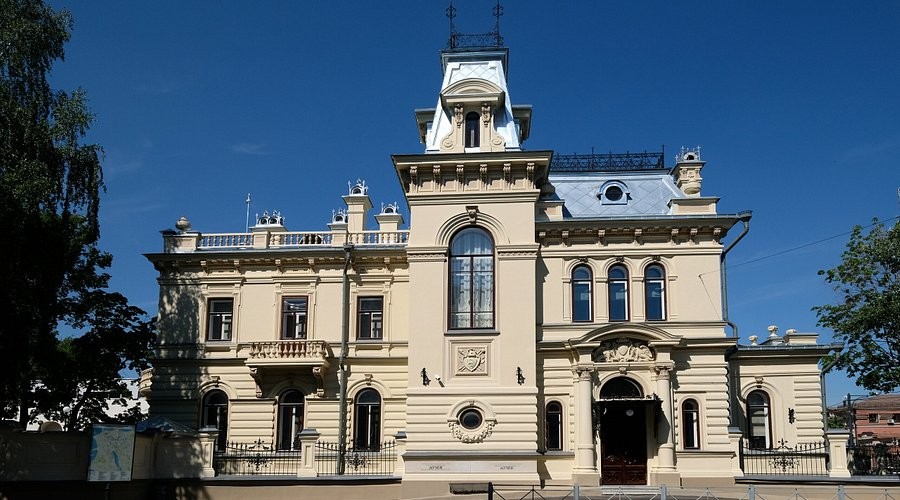
Nestled within the historic grandeur of the Kazan Kremlin, the State Museum of Fine Arts of the Republic of Tatarstan stands as a breathtaking testament to the enduring dialogue between East and West. To step into this institution is to enter a sanctuary where centuries of cultural evolution converge, housed within a magnificent mansion that exudes the opulence of the Belle Époque. The museum’s story is one of profound passion, beginning in the late nineteenth century through the visionary efforts of the scholar and collector Andrei Likhachev. What started as a personal endeavor to preserve the regional identity has blossomed into one of Russia’s most significant repositories of beauty, boasting an expansive collection of over 26,000 works that span the spiritual depths of Ancient Russian icons to the luminous experiments of European Impressionism.
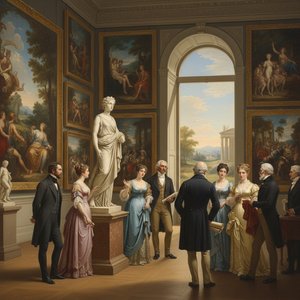
The architectural setting of the museum is, in itself, a masterpiece of the Beaux Arts style. Built during the reign of Alexander III, the structure commands attention with its stately presence on the banks of the Volga. For the admirer of classical elegance, the interior offers an immersive experience; soaring ceilings, lavish gilded moldings, and intricate frescoes create an atmosphere of timeless luxury. Large, sweeping windows invite the soft light of the surrounding gardens to dance across the gallery walls, illuminating the textures of canvas and stone. This architectural splendor provides a sophisticated backdrop that resonates with the grandeur of the artworks it protects, making it an essential pilgrimage for those who appreciate the harmony between space and art.
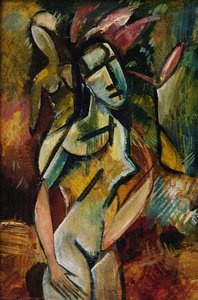
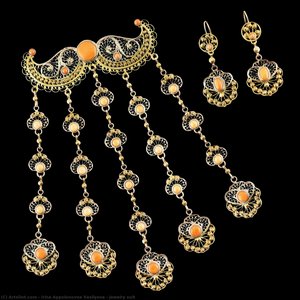
The collection itself is a curated journey through the human spirit, offering a profound narrative of both national pride and global artistic movements. Visitors may find themselves lost in the rugged, emotive landscapes of Ivan Shishkin or the psychological depth of Ilya Repin, whose works capture the very essence of the Russian soul and the pastoral beauty of the countryside. Yet, the museum’s reach extends far beyond regional borders. The presence of Western European masters, including the meticulous detail of Albrecht Dürer and the light-drenched atmospheres reminiscent of the Impressionist era, creates a fascinating tension between local tradition and international innovation. This duality is further enriched by the museum's dedicated celebration of Tatar Art, where the delicate precision of traditional embroidery, ceramics, and wood carvings tells a vibrant story of a people whose identity is as intricate as the patterns they weave.
For the collector or the interior designer seeking inspiration, the museum serves as an unparalleled source of aesthetic wisdom. It is a place where the heavy, dramatic shadows of Realism meet the ethereal, fleeting moments of light found in the works of masters like Claude Monet and Vincent van Gogh. This seamless blend of historical weight and modern perception makes the State Museum of Fine Arts of Tatarstan not merely a gallery, but a living chronicle of human creativity. It remains a vital cultural beacon, inviting every guest to rediscover the profound connection between history, art, and the enduring beauty of the natural world.