

A Renaissance Masterpiece Carved from Water and Stone
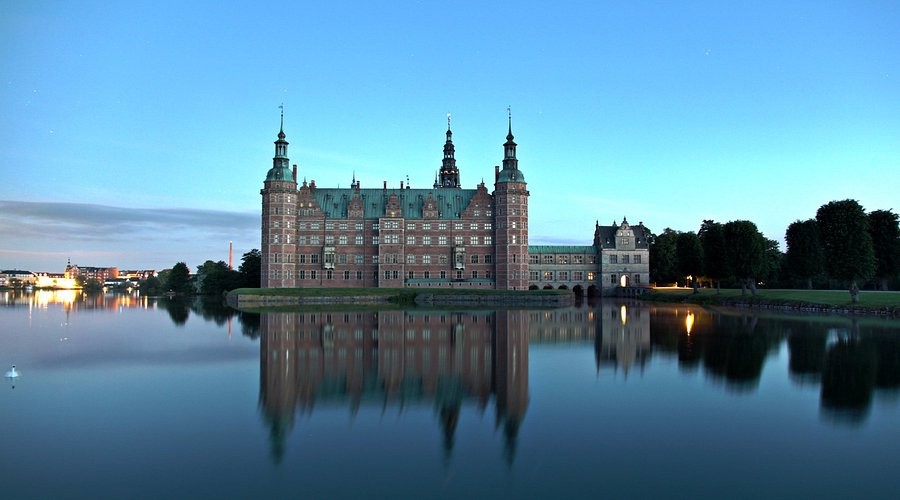
Nestled upon three tranquil islands within the shimmering expanse of Castle Lake in Hillerød, the Museum of National History at Frederiksborg Castle emerges from the Danish landscape as a breathtaking vision of royal grandeur. This is not merely a repository for artifacts; it is a living chronicle of five centuries of Danish sovereignty, where the boundaries between architecture and art dissolve into a singular, immersive experience. As one approaches the castle, the towering limestone façades and intricate carvings reflect the profound ambitions of King Christian IV, who envisioned this Renaissance marvel as a definitive symbol of power and prestige. The very placement of the structure, surrounded by water, creates a sense of ethereal isolation, inviting visitors to step away from the modern world and into an era defined by humanist ideals and geometric perfection.
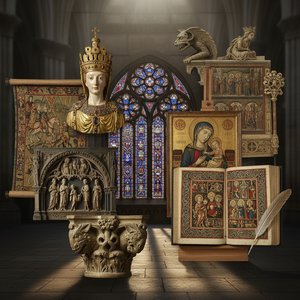
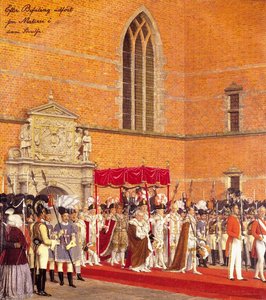
To wander through the halls of Frederiksborg is to embark on a sensory journey through the evolution of European taste. The museum’s interior serves as a meticulously preserved stage for the splendor of the Danish aristocracy, where the transition from medieval gravity to the opulent flourishes of the Baroque period is palpable in every corridor. Visitors find themselves enveloped by sumptuous fabrics, gilded ornamentation, and expansive frescoes that depict mythological scenes and royal processions with lifelike vitality. The ceilings, adorned with breathtaking vaulted artistry and delicate gilded leaf, draw the eye upward, mirroring the celestial aspirations of the monarchs who once called these rooms home. For the interior designer or lover of classical aesthetics, every chamber offers a masterclass in how light, texture, and ornamentation can coalesce to create an atmosphere of profound dignity.
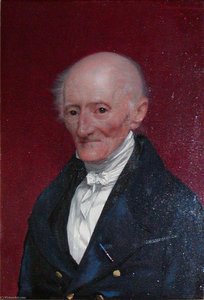
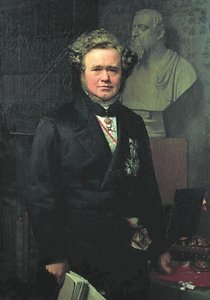
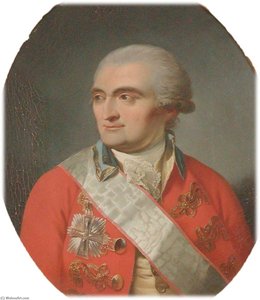
The heart of the collection beats through its magnificent royal portraits, a gallery of faces that have shaped the destiny of Northern Europe. These canvases, executed with exceptional technical mastery, utilize the rich depth of oil on canvas to capture more than mere likeness; they convey the very essence of character and political influence. From the commanding presence of Christian IV to the contemporary elegance of Queen Margrethe II, these portraits serve as a visual lineage of the nation. The museum’s commitment to excellence is further evidenced by its ability to bridge historical eras, occasionally hosting exhibitions that connect royal patronage with broader European artistic movements. Such displays illuminate how the whims of rulers once dictated the very trends of decorative arts and fine painting across the continent.
Beyond the heavy oak doors and gilded frames, the museum’s influence extends into the surrounding landscape, where the formal Baroque gardens and Romantic landscapes offer a verdant continuation of the castle's artistry. The interplay between the structured symmetry of the gardens and the wilder, more emotive beauty of the park reflects the dual nature of the era's aesthetic philosophy. Whether exploring the historical significance of the "Royal Art Patronage" exhibitions or admiring the way the sunlight hits the Renaissance masonry, one realizes that Frederiksborg Castle is a holistic masterpiece. It remains a beacon for collectors and scholars alike, standing as a testament to the enduring power of art to preserve the soul of a nation.