

Table of Contents
Quick Facts
- Featured artists:
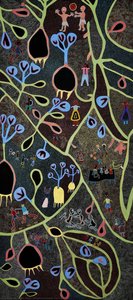
- Tamar Mason
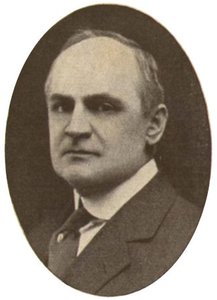
- william walker atkinson
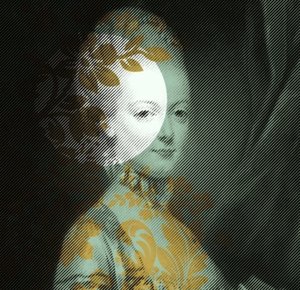
- pierre françois lubin
- william bogle
- john thomson
- Alternate names:
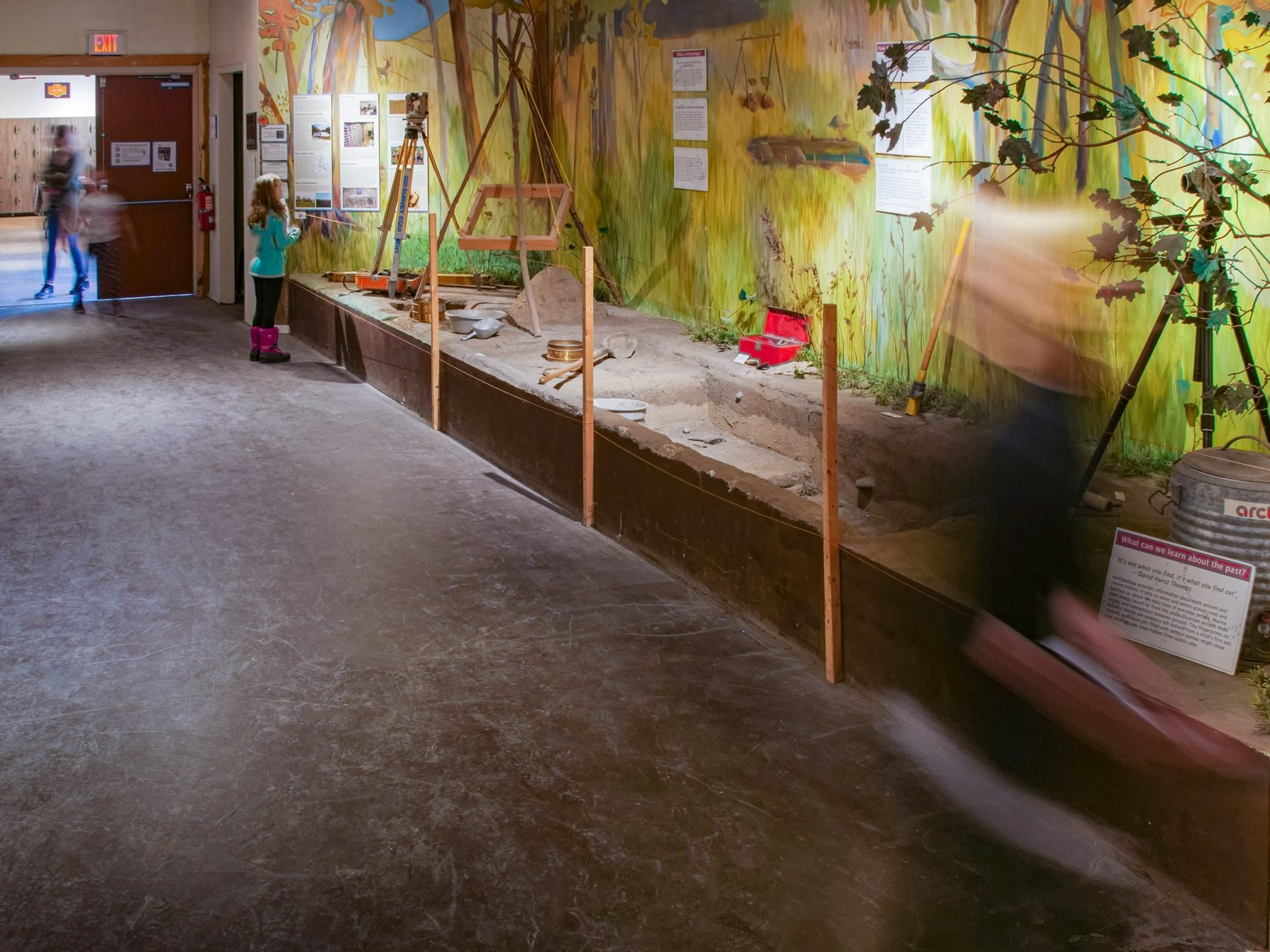
- Museum of Ontario Archaeology
- MOA
- Lawson Memorial Library
- London Museum of Archaeology
- Location: London, Canada
- Works on APS: 7
- Movements: documentary photography
Art Quiz
There is only one correct answer for each question.
Question 1:
What is the primary focus of the Museum of Ontario Archaeology?
Question 2:
The Lawson Site is notable for what unique feature?
Question 3:
Approximately how many artifacts does the museum hold?
Question 4:
Who initiated the museum's origins with a private artifact collection?
Question 5:
What is one of the annual events hosted by the Museum of Ontario Archaeology?
Exhibited Artists
Tamar Mason
South African artist Tamar Mason (b. 1966) creates evocative textile-based works exploring rural life, community & memory. See her solo exhibition at Pippy Houldsworth Gallery.

william walker atkinson
William Walker Atkinson (1862-1932) was a pioneer of the New Thought movement, authoring 100+ books on spirituality, self-improvement & occultism under pseudonyms like Yogi Ramacharaka. Explore his influential works on mental science and mysticism.
pierre françois lubin
Discover Pierre-François Lubin, the renowned French perfumer of Napoleonic France. Learn about his iconic fragrances loved by Joséphine & European royalty.
Related Articles
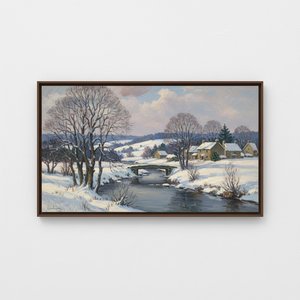
Ernest Lawson: A Pioneer of American Impressionism & His Vision of the Rural Landscape
Explore the life & art of Ernest Lawson, a pivotal figure in American Impressionism. Discover his evocative landscapes, influences, and lasting legacy with ArtsDot.
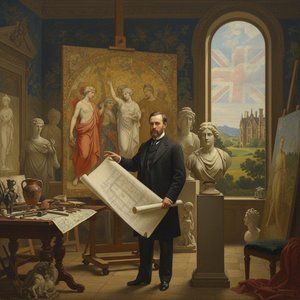
Sir Edward Poynter: Aestheticism, Archaeology & Victorian Identity
Explore the captivating world of Sir Edward Poynter, a leading figure of Aestheticism & Victorian art. Discover his archaeological narratives, iconic paintings like 'Day Dream Fine,' and lasting influence on British art history.
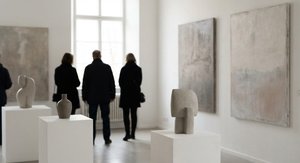
The Subtleties of Neutrality: Exploring Emotional Resonance & Aesthetic Impact in Artworks
Explore the captivating world of muted tones in art! Discover Tonalism's history, Whistler’s influence & how subtle color palettes evoke emotion. Find serene landscapes and expert advice for integrating these timeless pieces into your home with ArtsDot.


Subscribe to Our Newsletter
Stay updated with the latest art news, exclusive offers, and decoration ideas.
Get 3 Free Art Suggestions
Tell us about your project and our art experts will provide you with 3 personalized art suggestions.
Not Sure Where to Start?
Let Us Curate 3 Options Just for You - Free!