
A Bastion of Polish Heritage: The Soul of Warsaw
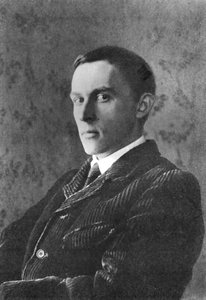
In the heart of Warsaw, where the rhythmic pulse of modern life meets the profound echoes of a resilient past, stands the National Museum in Warsaw—a cultural beacon that has weathered centuries of upheaval to emerge as one of Europe's most significant repositories of human creativity. To enter this institution is to step into a narrative woven through time, a story told not merely in objects, but in the very brushstrokes and sculpted forms that have survived the darkest chapters of history. Founded in 1862, the museum’s existence itself is an act of national defiance. Its halls bear witness to the heroic efforts of figures like Professor Stanisław Lorentz, who worked tirelessly to retrieve treasures systematically looted during the harrowing years of World War II. This sense of survival and recovery permeates every gallery, making a visit here not just an aesthetic experience, but an emotional journey through the enduring spirit of Poland.
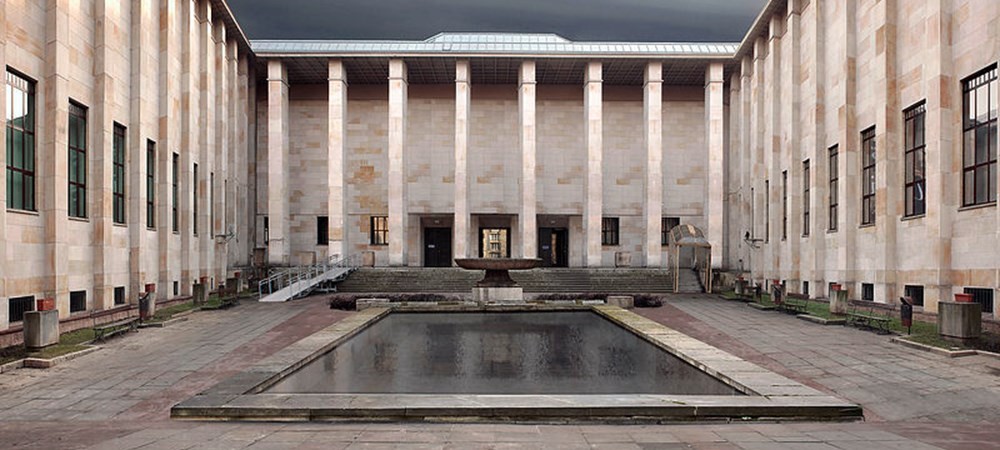
The museum’s physical presence is as striking as its contents. Approaching the edifice, one is immediately captivated by its modernist architecture, a masterpiece designed by Tadeusz Tolwiński between 1927 and 1938. The building reflects the interwar period’s embrace of functional elegance and clean lines, standing gracefully on the edge of Na Książęcem Park. It was conceived not merely as a container for art but as an integral part of the artistic experience itself; its spacious galleries and carefully considered lighting are designed to breathe life into the works within. For the interior designer or the lover of fine spaces, the museum offers a masterclass in how architecture can harmonize urban presence with natural serenity, creating a sanctuary where light and form dance together.
A Kaleidoscope of Global and National Treasures
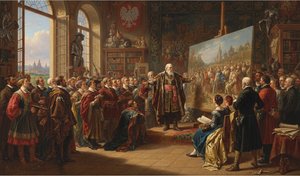
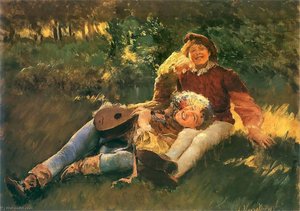
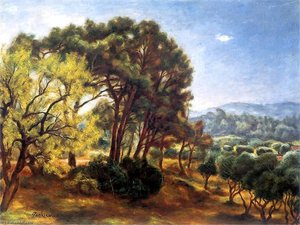
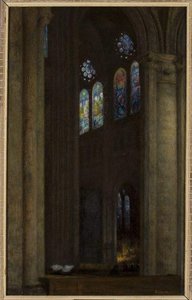
The breadth of the collection is nothing short of astonishing, offering a breathtaking journey that spans continents and millennia. Visitors may find themselves lost in the enigmatic whispers of ancient Egypt, wandering through galleries filled with mummies and artifacts that reveal the rituals of a vanished civilization, before transitioning into the classical grandeur of Greece and Rome. Yet, it is within the realm of Polish art that the museum truly finds its heartbeat. The galleries dedicated to Polish painting offer a sweeping epic of national evolution, featuring the monumental historical canvases of Jan Matejko, which vividly resurrect pivotal moments of the nation's destiny. This is complemented by the evocative symbolism and romantic landscapes of Jacek Malczewski and the intimate, luminous portraits of Olga Boznańska, whose work captures the delicate nuances of the human soul.
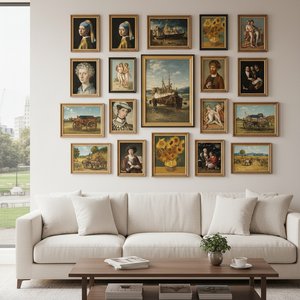
Beyond the Polish borders, the museum’s tapestry is enriched by a magnificent collection of international masterpieces. From the delicate artistry of Italian, French, and Flemish masters to the profound depth of Dutch and German works, the museum serves as a global crossroads. A particularly luminous jewel in this crown is the Faras Gallery, which houses Europe's largest collection of Nubian Christian art. These vibrant frescoes, salvaged from the ancient city of Faras in present-day Sudan, offer an unparalleled glimpse into a culture often overlooked by mainstream narratives. The expressive power and vivid pigments of these paintings transport the viewer to a distant, sacred time, proving that the museum’s reach is truly universal.
A Living Legacy for the Modern Era
Far from being a static monument to the past, the National Museum in Warsaw remains a dynamic, breathing institution that continues to shape contemporary cultural discourse. It serves as a vital center for artistic exploration, hosting a diverse program of temporary exhibitions that challenge and inspire. Whether it is exploring the unique history of the Poster Museum at Wilanów—the world's oldest museum dedicated to this art form—or engaging with modern design and applied arts, the institution ensures that the dialogue between tradition and innovation never ceases. For collectors and enthusiasts, the museum stands as a testament to the importance of preservation, ensuring that the masterpieces of yesterday continue to illuminate the aesthetic sensibilities of tomorrow.