

A Monument of Resilience: The Architecture of Empathy
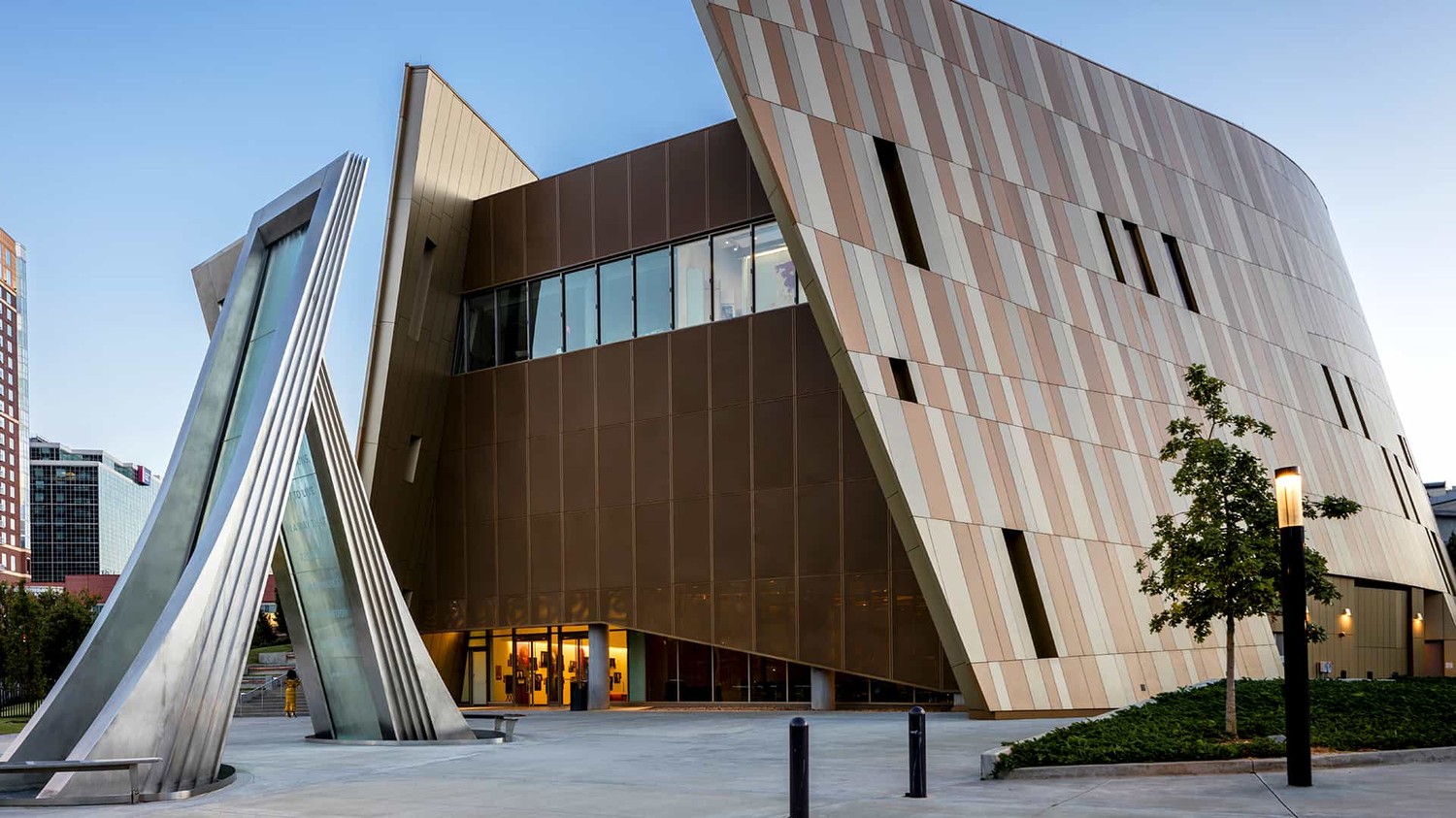
In the heart of Atlanta’s vibrant Centennial Olympic Park district, where the energy of the city meets a profound sense of historical gravity, stands the National Center for Civil and Human Rights. This is not merely a museum in the traditional sense; it is a masterwork of architectural storytelling designed by Philip Freelon. The building itself serves as a deliberate provocation against the shadows of oppression, utilizing angular planes and soaring, light-filled spaces to create a dialogue between hardship and hope. As one approaches the textured concrete façade, the jagged contours evoke the grit and struggle of the Civil Rights Movement, while the upward thrust of the structure symbolizes an unyielding aspiration toward liberty. For the art lover and the admirer of structural narrative, the museum offers a rare opportunity to experience how physical space can be engineered to foster deep emotional connection and contemplation.
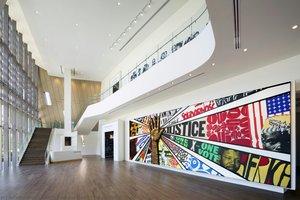
The interior experience is defined by a seamless transition from the heavy weight of history to the luminous promise of the future. Natural light floods through expansive galleries, acting as a metaphor for the clarity and truth sought by activists throughout the decades. This intentional use of light and volume creates an atmosphere where the visitor does not just observe history but inhabits it. For interior designers and curators, the museum represents a pinnacle of how materiality—from the raw strength of concrete to the ethereal quality of sunlight—can be harnessed to support a profound social mission, making it a landmark of both civic importance and aesthetic brilliance.
Voices of the Movement: The Soul of the Collection
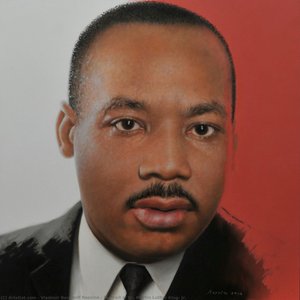
At the core of the Center’s collection lies an intimate and visceral connection to the architects of change. The "Voice to the Voiceless: The Morehouse College Martin Luther King, Jr. Collection" offers a breathtakingly personal encounter with history, housing handwritten drafts of iconic speeches, including the legendary "Letter from Birmingham Jail." To stand before these documents is to witness the intellectual and emotional landscape of Dr. King, feeling the weight of every stroke of his pen. This collection transcends mere archival preservation; it breathes life into the persuasive power that fueled a global movement, allowing the echoes of the past to resonate within the contemporary moment.
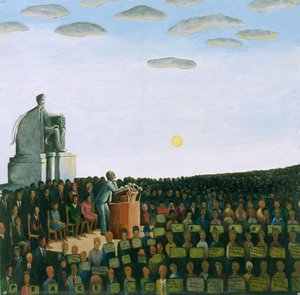
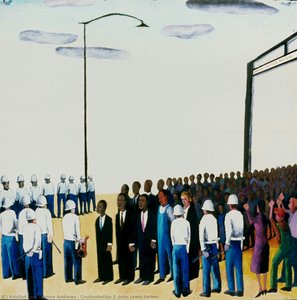
The museum’s narrative strength is further amplified by its ability to blend historical documentation with immersive multimedia artistry. In exhibitions such as "Rolls Down Like Water: The American Civil Rights Movement," the boundaries between spectator and participant dissolve. Through the use of interactive projections and evocative visual storytelling, visitors are transported into the heart of pivotal moments—from the tension of sit-ins to the rhythmic determination of great marches. This fusion of historical fact and sensory experience ensures that the struggle for equality is felt as a living, breathing reality rather than a static memory.
A Global Horizon: The Universal Pursuit of Dignity
What truly distinguishes the National Center for Civil and Human Rights from its contemporaries is its expansive, global perspective. While deeply rooted in the American experience, the museum deliberately bridges the gap between local struggles and universal human rights concerns. The curation courageously delves into the complexities of modern slavery, armed conflict, and systemic discrimination, prompting a profound reflection on the shared dignity of all people. By connecting the triumphs of the American Civil Rights Movement to contemporary global challenges, the museum transforms from a site of remembrance into a catalyst for worldwide advocacy.
This commitment to an enduring legacy is evident in the museum's ongoing evolution. As it undergoes thoughtful renovations to enhance accessibility and deepen its immersive capabilities, the Center continues to refine its role as a beacon of hope. It remains a sanctuary for those who seek to understand how past struggles inform our present realities and how we might collectively architect a more just and equitable world. For collectors of culture and seekers of truth, the National Center for Civil and Human Rights stands as an indispensable landmark where history, art, and humanity converge.