

A Portal to the Dawn of Human Creativity
Nestled within the verdant landscapes near Santillana del Mar, Spain, the National Museum and Research Centre of Altamira stands as a profound sanctuary for the very origins of human expression. To enter this institution is to embark on a journey through time, stepping away from the modern era and into the flickering shadows of the Paleolithic age. It is not merely a museum in the traditional sense, but a bridge connecting our contemporary sensibilities to the primal impulses that first drove our ancestors to leave their mark upon the world. For the art lover, it offers a rare glimpse into the moment when consciousness met pigment, and for the collector of history, it provides an encounter with the most fundamental masterpieces ever conceived.
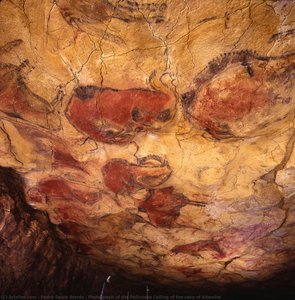
The crown jewel of this prestigious institution is undoubtedly the breathtakingly accurate replica of the Altamira Cave. This architectural and scientific triumph allows visitors to experience the profound intimacy of the original site without compromising its fragile sanctity. Walking through this meticulously reconstructed space, one feels the weight of millennia. The undulating surfaces of the cave walls, much like the originals, serve as a canvas for the legendary polychrome bison and deer. These figures, rendered with a sophisticated understanding of form and volume, appear to move under the shifting light, demonstrating a level of artistic mastery that challenges our perceptions of "primitive" art. This replica is a masterpiece of conservation science, ensuring that the grandeur of the UNESCO World Heritage site remains accessible to all while being protected from the elements.
Beyond the immersive cave experience, the museum houses an extraordinary collection of prehistoric treasures that illuminate the daily lives and symbolic worlds of early humans. The galleries are filled with artifacts that whisper stories of survival and ritual: flint tools shaped with surgical precision, ornaments carved from mammoth ivory, and pigments derived from the earth itself. Each object serves as a testament to the technological prowess and the burgeoning spiritual complexity of prehistoric societies. For interior designers and those with an eye for organic beauty, these artifacts represent the ultimate source of inspiration—a raw, elemental aesthetic that celebrates natural textures and the enduring power of symbolic form.
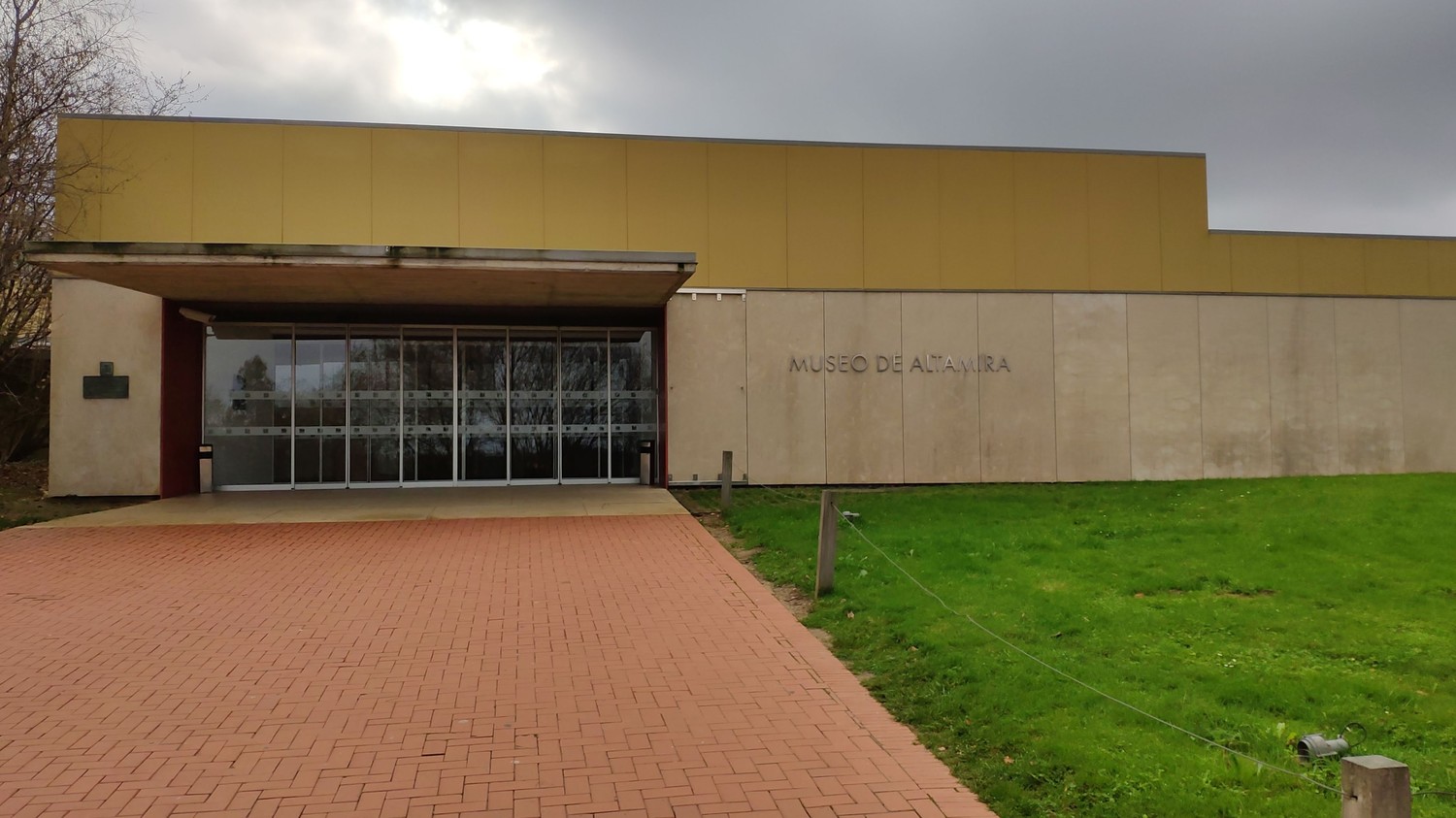
The museum’s modern architecture is a deliberate dialogue between the contemporary and the ancient. The building itself is designed to harmonize with the surrounding Spanish landscape, its spacious and fluid layout guiding visitors through a chronological odyssey. This seamless integration of structure and nature mirrors the museum's mission: to foster scientific inquiry while celebrating cultural heritage. As a global center for archaeological research, the institution hosts groundbreaking exhibitions and collaborative studies that continue to unravel the mysteries of the Upper Paleolithic. It remains a vital destination where science meets art, inviting us all to contemplate the eternal thread of creativity that binds the human species together across the vast expanse of time.