


A Royal Sanctuary of Neapolitan Splendor
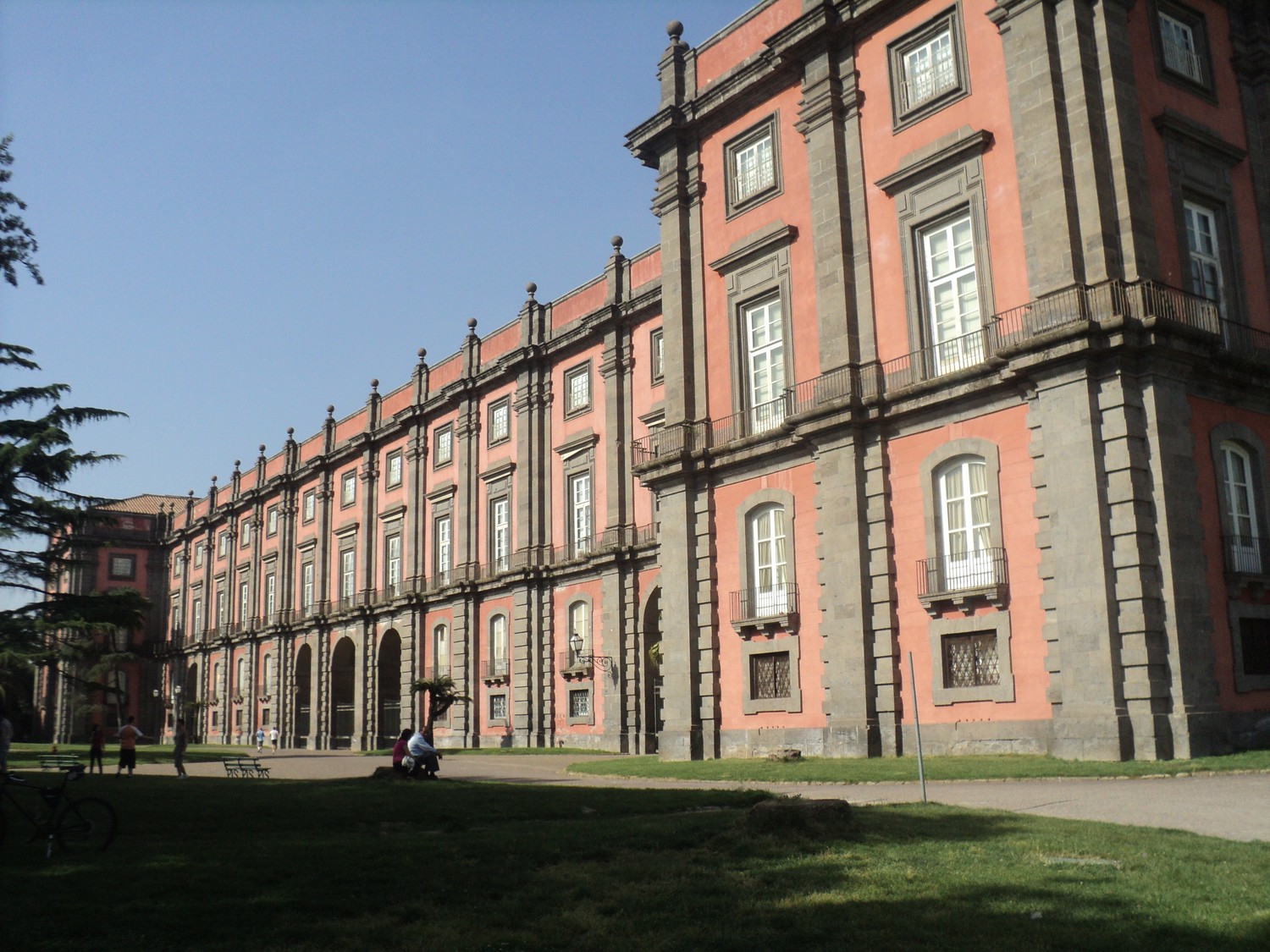
Perched majestically upon a verdant hilltop overlooking the shimmering expanse of Naples, the National Museum of Capodimonte stands as more than just a repository of art; it is a living chronicle of a dynasty. Originally conceived in 1738 by King Charles VII—the future Charles III of Spain—as a secluded hunting lodge, the palace underwent a profound metamorphosis. What began as a private retreat for the Bourbon monarchs evolved into a grand royal residence, a monumental architectural statement of power and prestige. Today, walking through its hallowed halls feels like stepping into a continuous dialogue between the opulence of the 18th century and the enduring legacy of Italian heritage. The very air within the palace seems heavy with the weight of history, inviting visitors to wander through spaces where royal life once unfolded amidst unparalleled luxury.
The architectural grandeur of the Palace of Capodimonte is a masterpiece in its own right, reflecting the ambitious spirit of its creators, Giovanni Antonio Medrano and Ferdinando Fuga. The structure itself embodies the dramatic essence of Baroque architecture, characterized by its monumental scale, sweeping curves, and elaborate ornamentation. As one traverses the palace, the strategic hilltop location offers breathtaking panoramic views of Naples, a vista that serves as a dramatic backdrop to the treasures housed within. This architectural splendor is not merely a shell for the collection but an integral part of the experience, where the gilded accents and intricate carvings of the royal apartments mirror the sophistication of the artworks they surround.
A Tapestry of Human Achievement
To enter the museum's galleries is to embark on an epic journey through time, spanning from the silent whispers of antiquity to the dramatic flourishes of the Baroque era. The collection is a breathtaking mosaic of human creativity, most notably anchored by the legendary Farnese Collection. Here, the monumental presence of ancient Roman sculptures, such as the iconic Farnese Hercules and the poignant Farnese Atlas , commands the room with their heroic detail and classical grace. These works, which exemplify the pinnacle of Roman craftsmanship, offer a profound connection to the grandeur of a bygone era, reminding us of the timeless pursuit of beauty and strength.
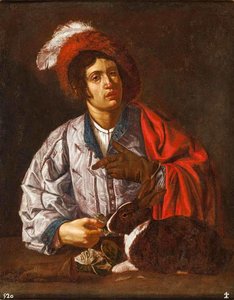
The heart of the museum, however, beats most vibrantly within its unparalleled collection of Neapolitan paintings. Spanning from the 13th to the 18th centuries, these canvases provide an intimate window into the distinct artistic soul of Naples. The mastery of artists like Caravaggio is palpable in every stroke; his revolutionary use of chiaroscuro —the intense interplay of light and shadow—creates a sense of theatrical tension that continues to captivate the modern eye. Alongside him, masters such as Luca Giordano and Jusepe de Ribera weave a narrative of emotion and realism, their vibrant colors and expressive techniques reflecting the cultural dynamism of the Neapolitan Baroque period.
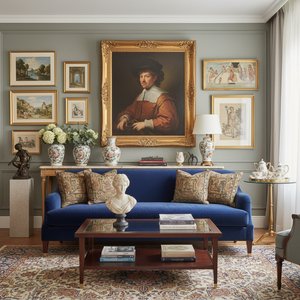
Beyond the canvas, the museum offers a sensory exploration of ancient life and royal excess. The exquisite mosaics and frescoes recovered from the ruins of Pompeii and Herculaneum transport visitors to the sun-drenched villas of the Roman Empire, revealing the intricate details of daily existence and mythological devotion. This archaeological treasure is complemented by an evocative Egyptian collection, where over 2,500 artifacts—from funerary masks to sacred amulets—illuminate the ancient preoccupation with immortality. For the connoisseur of decorative arts, the museum’s royal apartments serve as a masterclass in design, showcasing fine porcelain, majolica, and antique furniture that once graced the lives of the Bourbon kings, offering endless inspiration for those who seek to infuse modern spaces with classical elegance.