 Preview
 Send
Send Share
Share
 Details

 Download
 Similars
 X-Ray
X-Ray Diaporama
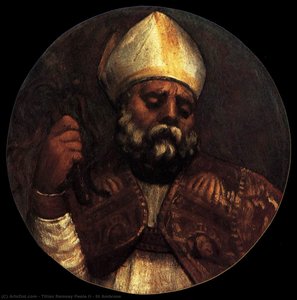
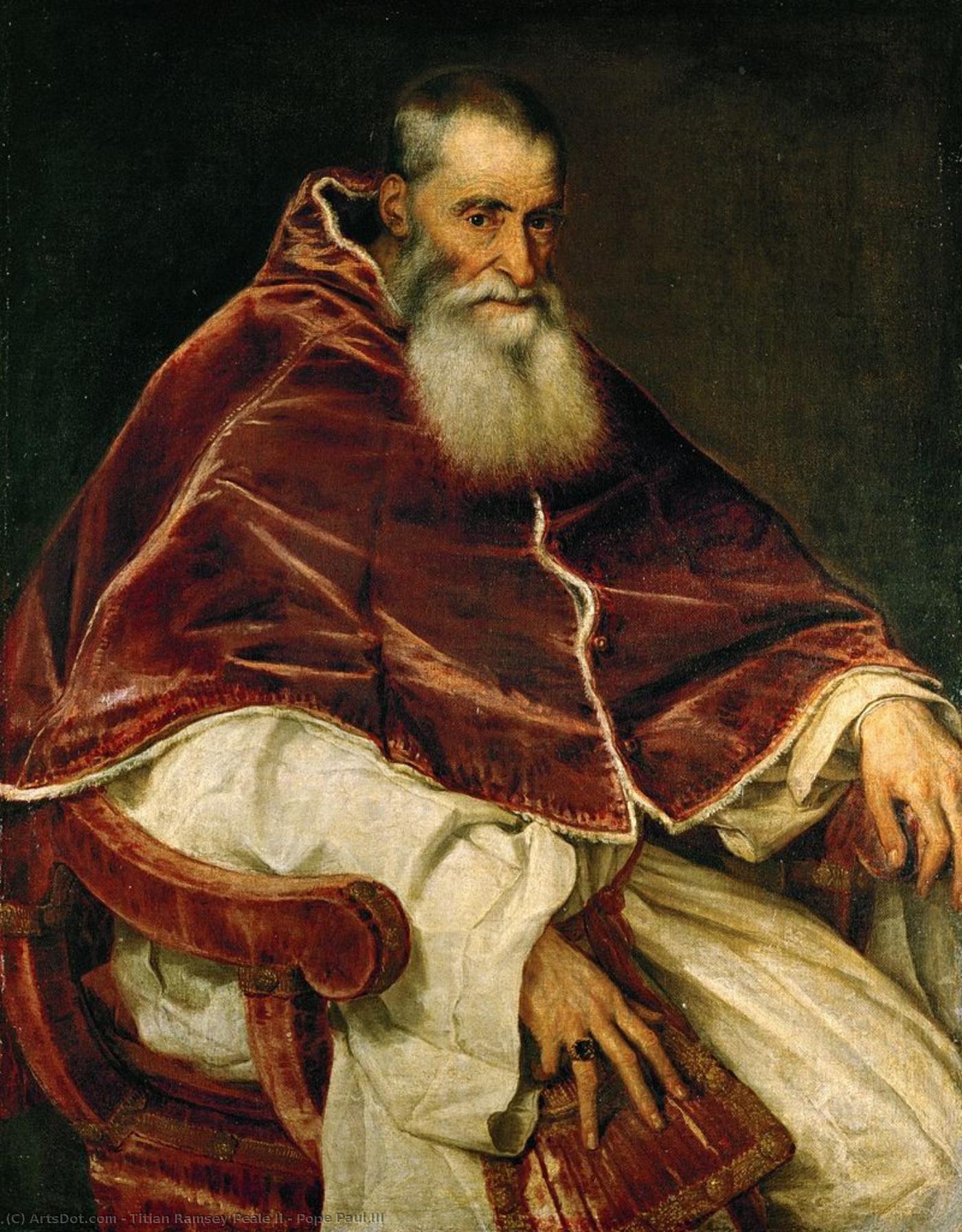
Pope Paul III
 Acrylic On Canvas
- WallArt
- High Renaissance Revival
 1543
1543 106.0 x 85.0 cm
 National Museum of Capodimonte
 Read More
Hand Made Oil Reproduction
Hand-painted oil on canvas in your size and frame, made to order by our artists. ( Buy Print Buy Image)




P118B $10

P118H $10

P118W $10

P438Z $10

P508JH $12

P508YH $12

P805H $10

P805Z $10

P919BZ $10

P919G $10

P919XJ $10

P959ZH $10

P968JZ $12

W106C $8

W218G $10

W218JH $8

W218Y $10

W307PJ $10

W316G $10

W316PJ $8

W316Y $10

W398PJ $8

W4111J $10

W500HY $15

W500JH $15

W692G $12

W849H $8

W940BG $15

W953PJ $8




Pick from our preset sizes that match the artwork's original proportions.

You may enter your own dimensions to fit a specific frame or space. If your selected size does not match the original image's proportions, we will either crop the artwork or extend the painting with additional hand-painted elements. A digital mockup will be sent for your approval before production begins.
Please note that the on-screen preview does not reflect the actual cropping or extension. Only the mockup will accurately show the final composition.
While custom sizes are available, we recommend selecting a dimension from the predefined list to preserve the original proportions.
After order, ArtsDot.com team will email client for instructions and provide a mockup preview
Worldwide Delivery () in 3/4 weeks instead of standard 5 weeks. (16 August). No compromise on quality.

Free Worldwide Express Shipping

High-Quality Linen Canvas

Full Shipping Insurance

Customs Tax Refund Guarantee

True Color Matching Guarantee

60-Day Return Policy (Defects Only)

100% Money-Back Guarantee

Bulk Discount Offer
 Glass option is only available in size under 110 CM

Pope Paul III
Reproduction Medium
Reproduction Size
-


Total Price
$ 263
Artwork Description
A Portrait of Authority: Titian Ramsay Peale II’s Reverent Depiction of Pope Paul III
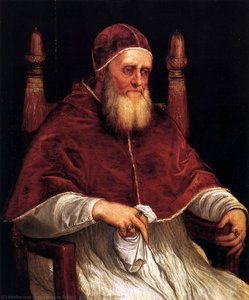
Titian Ramsay Peale II's “Pope Paul III,” painted in 1543, is more than a simple portrait; it’s a carefully constructed tableau of power, piety, and the enduring influence of Renaissance artistic ideals. This remarkable work, rendered at a diminutive size of 106 x 85 cm, offers a captivating glimpse into the burgeoning American art scene through the lens of a man deeply rooted in European tradition. Peale, the youngest son of the celebrated naturalist Charles Willson Peale, inherited not just his father’s artistic legacy but also a profound respect for classical forms and color theory – elements he masterfully translated to his own distinctive style.
The painting immediately draws the eye to Pope Paul III himself. He is presented as an older man, his face etched with the wisdom and gravitas of leadership. The artist’s meticulous attention to detail is evident in the rendering of the pope's long white beard, a symbol of both age and spiritual authority, and the stern expression that speaks volumes about his role as head of the Catholic Church. The rich crimson robe, trimmed with opulent gold, immediately establishes the subject’s status – a color historically associated with royalty and ecclesiastical power. The fabric itself is rendered with a subtle sheen, hinting at the luxurious materials available to the papacy during this period.
Echoes of Venice: Style and Technique
Peale's artistic approach reveals a clear debt to Venetian masters like Titian himself – a lineage he consciously embraced. The painting’s palette is remarkably vibrant for its date, utilizing deep reds, blues, and golds with a masterful understanding of light and shadow. The use of *sfumato*, a technique popularized by Leonardo da Vinci and perfected by Venetian painters, subtly softens the edges of the figure, creating an atmosphere of depth and realism. Notice how the folds of the robe are not sharply defined but rather suggested through delicate gradations of color and tone – a testament to Peale’s skill in capturing texture and form.
The composition is carefully balanced, with the pope occupying the central space while the surrounding room provides context without distracting from the primary subject. The two chairs, positioned strategically on either side, reinforce the formality of the scene and subtly direct the viewer's gaze towards the papal figure. The background elements are rendered with a degree of detail that suggests a carefully considered setting – a deliberate choice to elevate the importance of the central figure.
Symbolism and Historical Context
“Pope Paul III” was created during a period of significant religious and political upheaval in Europe, marked by the Protestant Reformation. The painting can be interpreted as a powerful statement of Catholic authority and resilience. The pope’s dignified bearing and the opulent setting serve to project an image of strength and stability amidst turbulent times. Furthermore, Peale's decision to depict Paul III at an advanced age subtly acknowledges the transience of earthly power while simultaneously emphasizing the enduring legacy of faith.
Considering Peale’s own background – his father’s role as a pioneering museum curator – it’s not surprising that this portrait embodies a desire to preserve and celebrate artistic tradition. He was deeply influenced by the classical ideals championed by his father, and “Pope Paul III” reflects this commitment to honoring the past while simultaneously forging a new path for American art. The painting stands as a testament to Peale's ability to synthesize European artistic heritage with the emerging identity of early America.
A Timeless Masterpiece: Reproduction Possibilities
ArtsDot offers meticulously crafted, hand-painted reproductions of “Pope Paul III,” allowing you to bring this captivating work into your home or office. Our skilled artisans replicate Peale’s masterful technique and vibrant color palette with the utmost care, ensuring that every detail is faithfully reproduced. Whether you are an art collector, a design enthusiast, or simply someone seeking a piece of history, our reproduction provides an authentic and beautiful representation of this remarkable portrait. Explore our options for canvas prints, framed editions, and custom sizes to find the perfect way to experience the enduring power and beauty of “Pope Paul III.”
Related Artworks
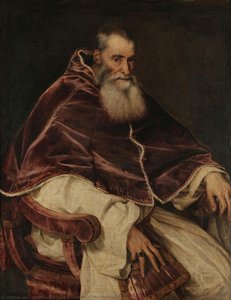
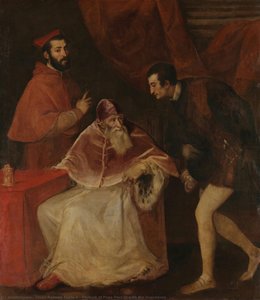
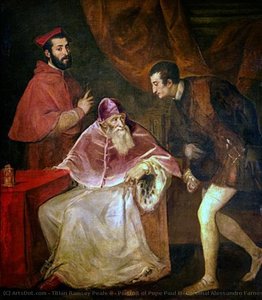
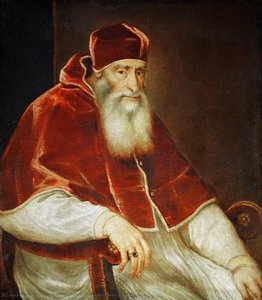
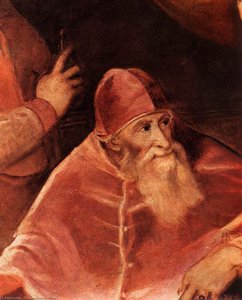
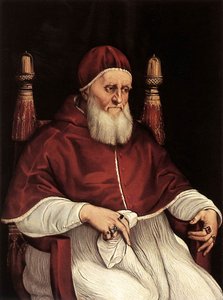
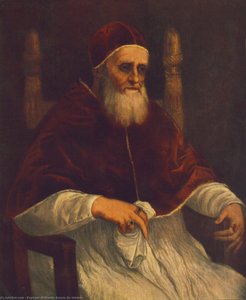
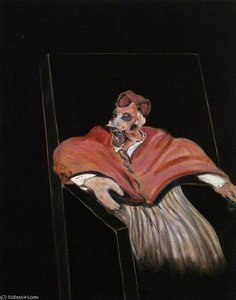
Artist Biography
A Renaissance Echo in the New World
Titian Ramsay Peale II occupies a fascinating, often overlooked niche within the landscape of 19th-century American art. Born in Philadelphia in 1799, he was steeped in artistic lineage as the youngest son of Charles Willson Peale, a pivotal figure in early American portraiture and founder of the nation’s first museum. While his father's legacy loomed large, Titian forged his own path, one deeply rooted in the aesthetic ideals of the High Renaissance, particularly those emanating from Venice. He wasn’t merely replicating styles; he was channeling a profound artistic sensibility, imbuing his canvases with a meticulous detail and vibrant color palette that set him apart from many of his contemporaries. His life unfolded against a backdrop of burgeoning American identity, yet his artistic heart remained tethered to the classical masters, creating a compelling tension between Old World reverence and New World expression.From Naturalist’s Sketchbook to Painter's Canvas
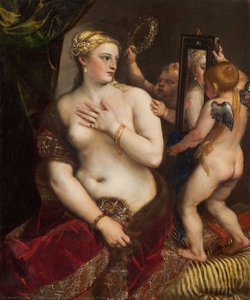
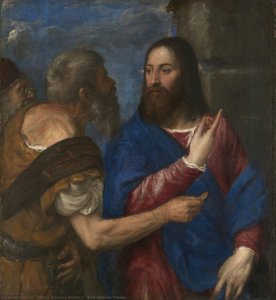
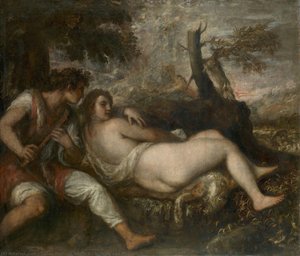
Peale’s early years were marked by a dual fascination with art and natural history – a combination fostered by his father’s multifaceted pursuits. He accompanied expeditions, notably Stephen Harriman Long’s journey to the Rocky Mountains in 1819-20, documenting flora and fauna with an increasingly refined artistic eye. This period wasn't simply about recording observations; it was about *understanding* form, light, and texture – skills that would prove invaluable when he turned his full attention to painting. His work as a naturalist informed his art, lending a scientific precision to his depictions of the natural world, but also imbuing them with an emotional resonance that transcended mere documentation. He wasn’t just showing us what things looked like; he was revealing their inherent beauty and spiritual significance. This dedication to both disciplines is evident in pieces such as “The Tribute Money,” a dramatic rendering showcasing masterful light and shadow reminiscent of Rubens, and "Nymph and Shepherd", blending nature, mythology, and sensual beauty.Venetian Influences and Sacred Visions
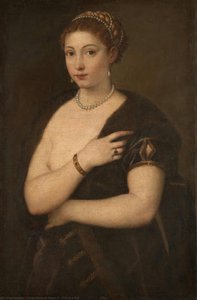
The influence of Venetian colorism – the emphasis on rich, luminous colors and atmospheric effects championed by artists like Titian (from whom he took his first name) – is undeniable in Peale’s oeuvre. He wasn't simply copying these masters; he was internalizing their principles and adapting them to his own artistic vision. This is particularly evident in his religious works, such as “Altar Shrine with Four Saints” and "Adoration of the Shepherds". These paintings aren’t merely depictions of biblical scenes; they are immersive experiences, drawing the viewer into a world of spiritual contemplation through carefully orchestrated compositions and a masterful use of color to evoke emotion. The meticulous attention to detail in these works speaks not only to his technical skill but also to a deep reverence for his subject matter. “The Beauty,” a striking portrait, further demonstrates his ability to capture human form and character with elegance and refinement.Rediscovery and Lasting Significance
For much of the 20th century, Titian Ramsay Peale II remained largely obscured from art historical narratives. His work didn’t fit neatly into prevailing trends, and his dedication to a classical style felt anachronistic in a rapidly changing artistic landscape. However, recent years have witnessed a growing reassessment of his contributions. Scholars and collectors are recognizing the unique blend of American sensibilities and European traditions that characterizes his paintings. The rediscovery of his work is not merely about filling gaps in art history; it’s about gaining a deeper understanding of the complex cultural forces that shaped 19th-century America. Peale represents a bridge between worlds, a testament to the enduring power of classical ideals, and a reminder that artistic innovation often arises from unexpected combinations of influences. His paintings, now found in collections like those at ArtsDot, the Uffizi Gallery, and Palazzo Pitti, offer a compelling glimpse into a forgotten corner of American art history – a corner illuminated by the radiant glow of the Renaissance.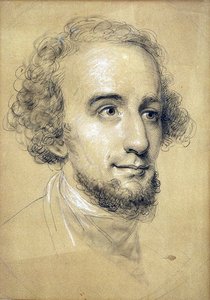
Titian Ramsay Peale II
1799 - 1885
Quick Facts
- Artistic Movement Or Style: High Renaissance
- Artists Who Influenced This Artist:
- Titian
- Venetian masters
- Date Of Birth: 1799
- Date Of Death: 1885
- Full Name: Titian Ramsay Peale II
- Nationality: American
- Notable Artworks:
- Altar Shrine with Four Saints
- Adoration of the Shepherds
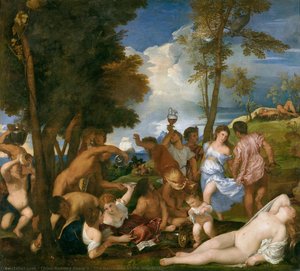
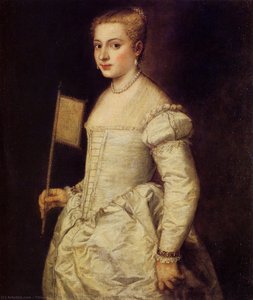
- The Beauty
- Tribute Money
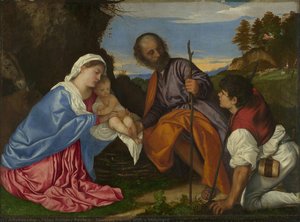
- Holy Family w/ Shepherd
- Nymph and Shepherd
Related Articles
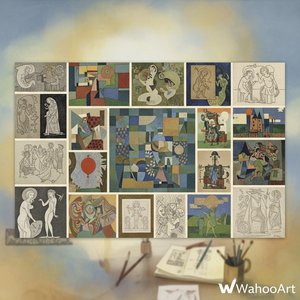
Paul Klee's Masterpieces: Explore 25 Iconic Paintings & Prints | ArtsDot
Journey through Paul Klee's 25 most iconic paintings & prints. Explore his abstract style, Bauhaus influence, and vibrant color palettes. Find museum-quality art reproductions & decor ideas at ArtsDot.com. Discover all masterpieces online.

Cézanne's Masterpieces: 25 Iconic Artworks to Transform Your Space
Journey through 25 iconic artworks by Paul Cézanne – a master of Impressionism and Post-Impressionism. Explore his landscapes, still lifes, and the stories behind these timeless masterpieces. Discover museum-quality reproductions & curated decor at ArtsDot.com.

Titian Ramsay Peale II: A Legacy of Botanical Precision & Artistic Innovation
Explore the life & art of Titian Ramsay Peale II, a master of botanical precision and wildlife painting. Discover his legacy bridging art & natural history at ArtsDot.
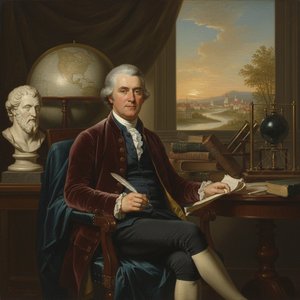
Charles Willson Peale: Portraiture, Enlightenment Ideals & Shaping American Identity
Explore the life & art of Charles Willson Peale – Revolutionary portraitist, scientist, and founder of America’s first museum. Discover his iconic paintings of Washington & the Enlightenment ideals that shaped a nation.
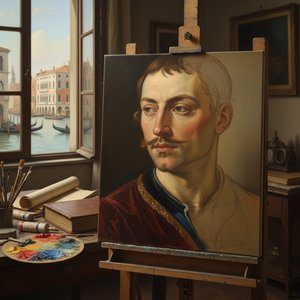
Titian: Innovation, Technique & the Venetian Renaissance Portrait Tradition
Explore the revolutionary techniques & enduring legacy of Titian, the master of Venetian Renaissance portraiture. Discover insights for collectors & appreciate his impact on art history.