

A Sanctuary of Stories: The Living Spirit of the NMAI
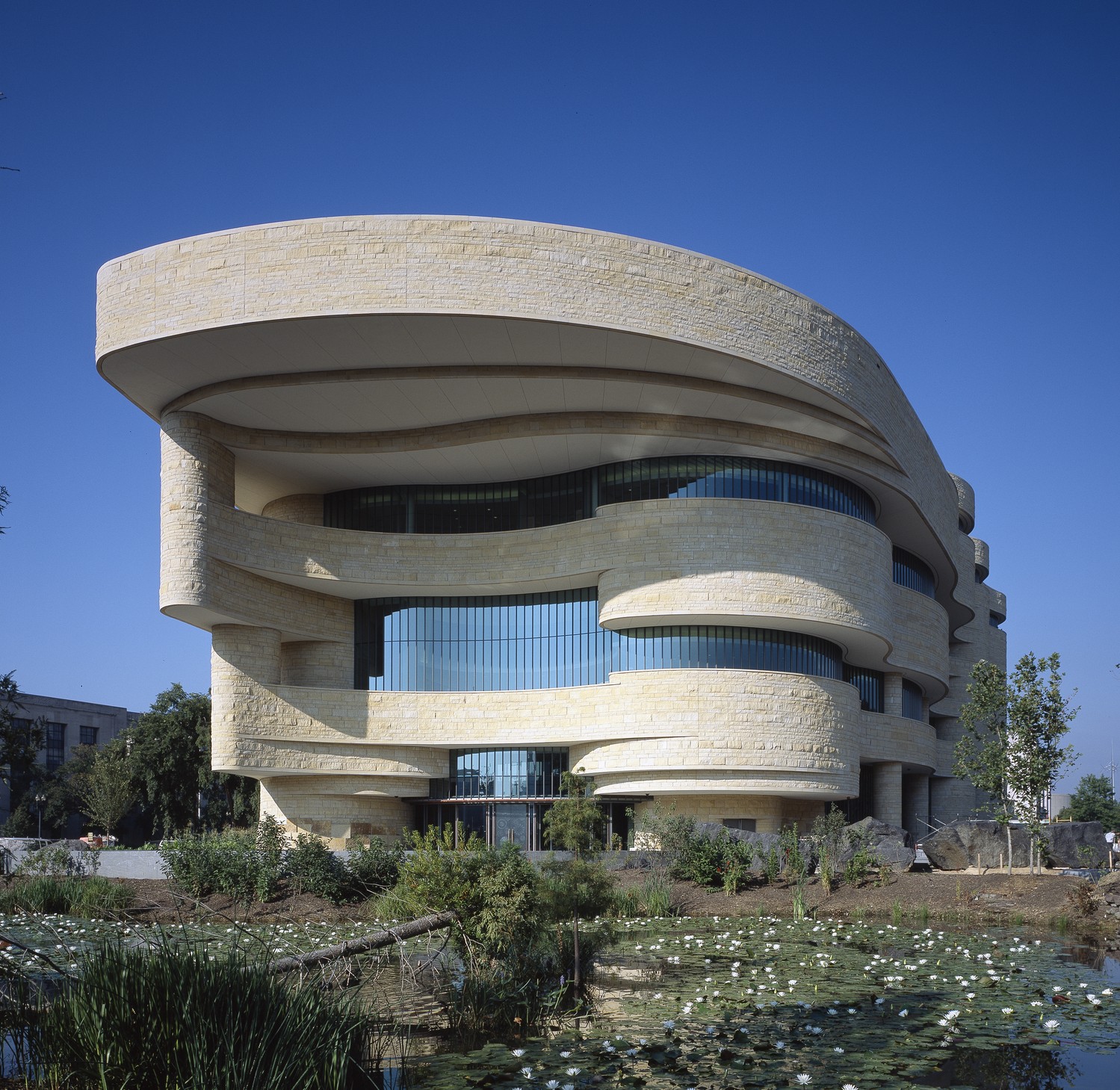
To approach the National Museum of the American Indian in Washington, D.C., is to encounter a landscape that feels less like a building and more like an extension of the earth itself. Its sandstone façade, sculpted with soft curves and wind-eroded textures, mirrors the ancient mesas and canyons of the Americas, inviting visitors into a space where architecture and ancestral memory converge. This is not merely a repository for the past; it is a vibrant, breathing sanctuary designed to honor the enduring spirit of Indigenous peoples. Since its opening in 2004, the museum has served as a profound testament to cultural resilience, blending contemporary design with a deep reverence for the natural world. Through the integration of native plants and tranquil water features, the museum creates an atmosphere of contemplative peace, making it a destination that resonates deeply with those seeking beauty, meaning, and a connection to the profound narratives of our shared human history.
The genesis of this national treasure is a remarkable saga of personal passion and institutional transformation. The foundation of the collection rests upon the monumental efforts of George Gustav Heye, whose tireless dedication led him to amass approximately 85% of the museum’s holdings. Yet, the true soul of the institution was forged through the landmark National Museum of the American Indian Act of 1989. This legislation did more than just establish the museum as a part of the Smithsonian Institution; it introduced a revolutionary mandate for repatriation. By committing to the return of human remains and sacred objects to their rightful tribal communities, the NMAI transitioned from a traditional collector to an active participant in restorative justice. This commitment to tribal sovereignty ensures that the museum does not just display history, but actively honors the living traditions and legal rights of the nations represented within its walls.
A Tapestry of Infinite Artistry
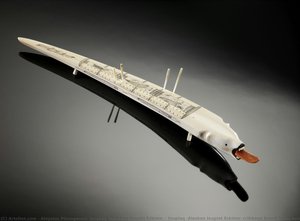
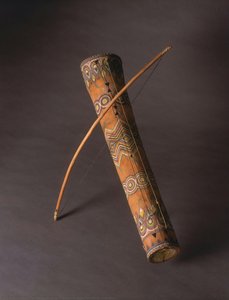
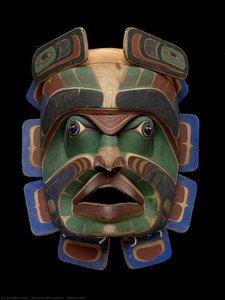
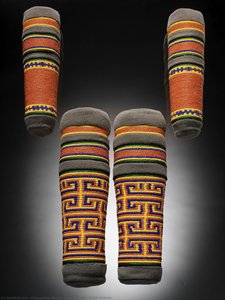
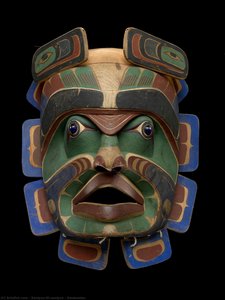
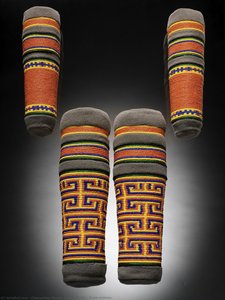
Stepping into the galleries, one is met with a breathtaking breadth of human creativity spanning over 12,000 years. The collection is a magnificent tapestry of more than 1,200 distinct Indigenous cultures, offering an immersive journey through time and geography. For the art lover and collector, the sheer diversity of medium and technique is staggering. One might find themselves captivated by the intricate geometry of woven textiles, the luminous brilliance of ceremonial jewelry, or the powerful, tactile presence of ancient sculptures. Pottery from various regions tells silent stories of daily life and spiritual devotion, while ceremonial regalia showcases a mastery of craftsmanship that has been passed down through generations. The museum excels at presenting these objects not as static relics, but as vital expressions of identity and technological sophistication.
The dialogue between tradition and modernity is perhaps nowhere more evident than in the museum's embrace of contemporary Indigenous art. This dynamic interplay allows visitors to witness how ancestral techniques evolve to address present-day complexities. The works of artists such as Ramona Sakiestewa, whose tapestries masterfully blend Hopi weaving traditions with modern artistic sensibilities, exemplify this continuity. By involving Indigenous communities directly in the curation and exhibition design, the NMAI ensures an authentic representation that avoids the pitfalls of a colonial gaze. This approach creates a profound emotional resonance, inviting interior designers and enthusiasts alike to appreciate art that is as much about political and social commentary as it is about aesthetic excellence.
Architectural Resonance and Global Reach
The very bones of the museum reflect its core philosophy of ecological stewardship and cultural respect. Designed by KieranTimberley Architects, the structure utilizes rammed earth construction—a technique used by Native American builders for millennia—to create a tactile, grounded connection to the landscape. The interior spaces are bathed in natural light, which dances across curved walls that mimic the contours of the natural world, fostering an environment of warmth and introspection. Even the presence of a reflecting pool, inspired by Navajo ceremonial dances, serves to remind the visitor of the sacred bond between humanity and the environment. This architectural brilliance ensures that the museum is not just a container for art, but a piece of art in its own right.
The influence of the National Museum of the American Indian extends far beyond the iconic National Mall. Through the George Gustav Heye Center, located within the beautifully restored Beaux Arts Alexander Hamilton U.S. Custom House, the museum brings Native American artistry into a sophisticated urban context, offering a striking contrast to its more organic Mall counterpart. Furthermore, the vital work conducted at the Cultural Resources Center in Suitland, Maryland, ensures that these invaluable treasures are preserved with the highest standards of conservation and research. For anyone captivated by the intersection of history, art, and justice, the NMAI offers an unparalleled experience—a place where every object is a voice, and every gallery is a doorway to a living, breathing legacy.

![Kwakwaka — Willie Siwid [siwiti]/chief Hilamas/the One Able To Set Things Right/smoky Top/kwaxitola](/media/artworks/images-thumb/75/bf/75bfbf43de55f1e642b17ce2bbc027d3.jpg)