
A Sanctuary of Bloomsbury: The Living Legacy of Monk’s House
Nestled within the gentle, rolling landscape of Lewes, East Sussex, Monk’s House serves as far more than a mere historical residence; it is a palpable echo of one of literature’s most celebrated and profound partnerships. To step across its threshold is to enter a living manuscript, where the very walls seem imbued with the spirit of creativity and intellectual fervor that defined the Bloomsbury Group. Acquired by Virginia and Leonard Woolf in 1919, this 17th-century cottage provided an essential escape from the clamor of London life, transforming into a cherished haven where ideas could blossom amidst the tranquility of the Sussex countryside. For the art lover and the historian alike, the house offers an intimate connection to a period of radical thought and aesthetic evolution.
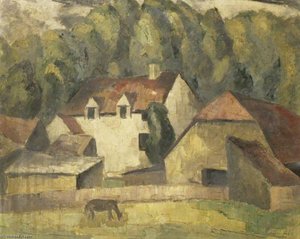
The architectural charm of Monk’s and House is immediately captivating, possessing a quiet dignity that eschews grandiosity in favor of understated elegance. The original structure, dating back to the early 1600s, retains a rustic character defined by low ceilings, exposed beams, and intimate rooms that foster a sense of cozy seclusion. Yet, there is a sophisticated intentionality to its design; the cottage embodies the principles of the Arts and Crafts movement, prioritizing organic forms and handcrafted materials as a deliberate counterpoint to the burgeoning industrialization of the era. This harmonious balance of proportions creates a space that encourages deep contemplation, making it an ideal subject for those who appreciate how architecture can shape the human psyche and inspire artistic vision.
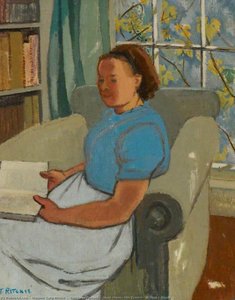
At the heart of this creative sanctuary lies Virginia Woolf’s writing room, preserved with remarkable fidelity to capture the atmosphere of its most productive years. Here, the room is bathed in diffused sunlight filtering through mullioned windows, casting a warm glow upon her beechwood desk and shelves lined with leather-bound volumes. It was within this very light that masterpieces such as Mrs Dalloway and A Room of One’s Own took shape. The subtle palette of muted greens and creams mirrors the surrounding landscape, reflecting Woolf's preoccupation with sensory experience and the delicate interplay between the internal mind and the external world. Complementing this is Leonard Woolf’s meticulously curated library, where oak shelves hold a vast collection ranging from classical Greek to Marxist theory, offering a tangible window into the intellectual currents that flowed through their shared lives.
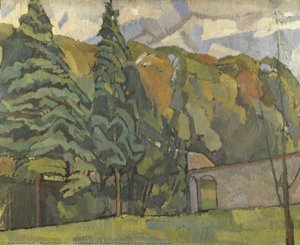
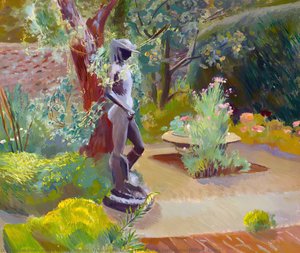
The experience of Monk’s House extends seamlessly beyond its walls into a garden designed collaboratively by the Woolfs. These were not merely ornamental spaces but carefully considered extensions of their creative environment, where Virginia found inspiration in the shifting seasons and the play of light and shadow. The garden’s layout reflects a deliberate attempt to balance cultivated beauty with wilder, more naturalistic plantings—a botanical mirror to the tension between order and chaos found in Woolf’s prose. For collectors of history and admirers of fine landscape design, Monk’s House stands as a singular destination; it is not a grand museum showcasing masterpieces from afar, but a deeply personal space that invites visitors to connect with the human pulse behind some of the twentieth century's most enduring artistic legacies.