



A Window into Medieval Tuscany: The Oratorio di San Lorenzo in Ponte
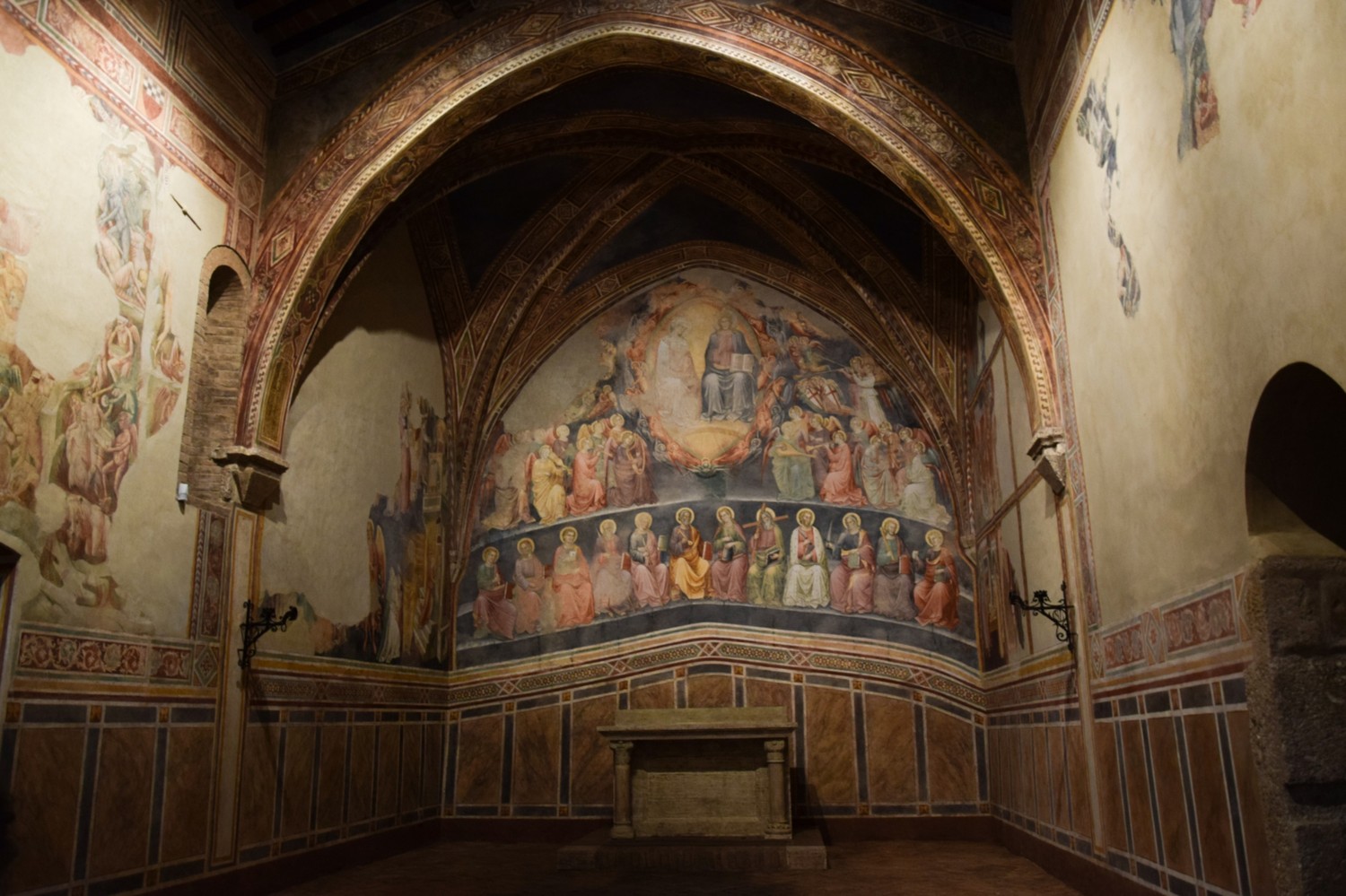
Nestled within the picturesque hilltop town of San Gimignano, Italy, lies a treasure trove of artistic devotion known as the Oratorio di San Lorenzo in Ponte. More than just a humble church building, it stands as a profound testament to the enduring power of faith and remains a remarkably preserved example of Romanesque art from the 13th century. Its unassuming exterior belies the breathtaking beauty housed within its walls, where vibrant frescoes by masters such as Simone Martini and Cenni di Francesco transport viewers back to a pivotal moment in European artistic history. To step inside is to leave the modern world behind and enter a space where the spiritual and the aesthetic are inextricably linked.
The architectural significance of the Oratorio lies in its quiet strength and elegant simplicity, characteristic of the Romanesque period. Its sturdy stone construction reflects the prevailing architectural trends of the era, prioritizing stability and a sense of grounded grandeur—features that would later evolve into the soaring, light-filled cathedrals of the Gothic era. This intimacy is precisely what distinguishes the chapel from larger, more monumental churches; its relatively small size creates a serene atmosphere that invites deep contemplation. For the art lover or interior designer, the Oratorio offers a masterclass in how architectural restraint can serve as the perfect canvas for profound emotional and spiritual expression.
The Soul of San Gimignano: Masterpieces of Fresco and Light
The true soul of San Gimignano’s artistic legacy resides in the Oratorio's extraordinary frescoes. Created around 1311, these panels depict scenes from heaven, purgatory, and hell with astonishing detail and expressive color palettes. They represent a masterful fusion of Byzantine influences—particularly evident in their structured compositions—with emerging Renaissance sensibilities. Martini’s meticulous rendering of angelic figures and divine landscapes speaks to the profound theological concerns of his time, while the depiction of purgatory, a vivid panorama of tormented souls, offers a chilling yet captivating reminder of the moral complexities faced by individuals striving for salvation. These works are not merely decorations but narrative windows into the medieval psyche.
Beyond its permanent collection, the Oratorio has served as a focal point for scholarly inquiry, hosting exhibitions that delve into the technical brilliance of medieval iconography. Recent studies involving pigment analysis have offered fascinating glimpses into the very origins of the paints used by these masters, revealing the sophisticated artistic practices of the 14th century. For those seeking to expand their appreciation of this era, the Oratorio’s spirit is echoed in Benozzo Gozzoli’s “St Dominic Reuscitates Napoleone Orsini” and the unparalleled skill found in Simone Martini’s “The Annunciation and Two Saints.” To visit this chapel is to connect with the very spirit of a bygone era, appreciating an enduring legacy where artistic brilliance flourishes within the most intimate of spaces.




