

A Sanctuary of Timelessness in Tennoji
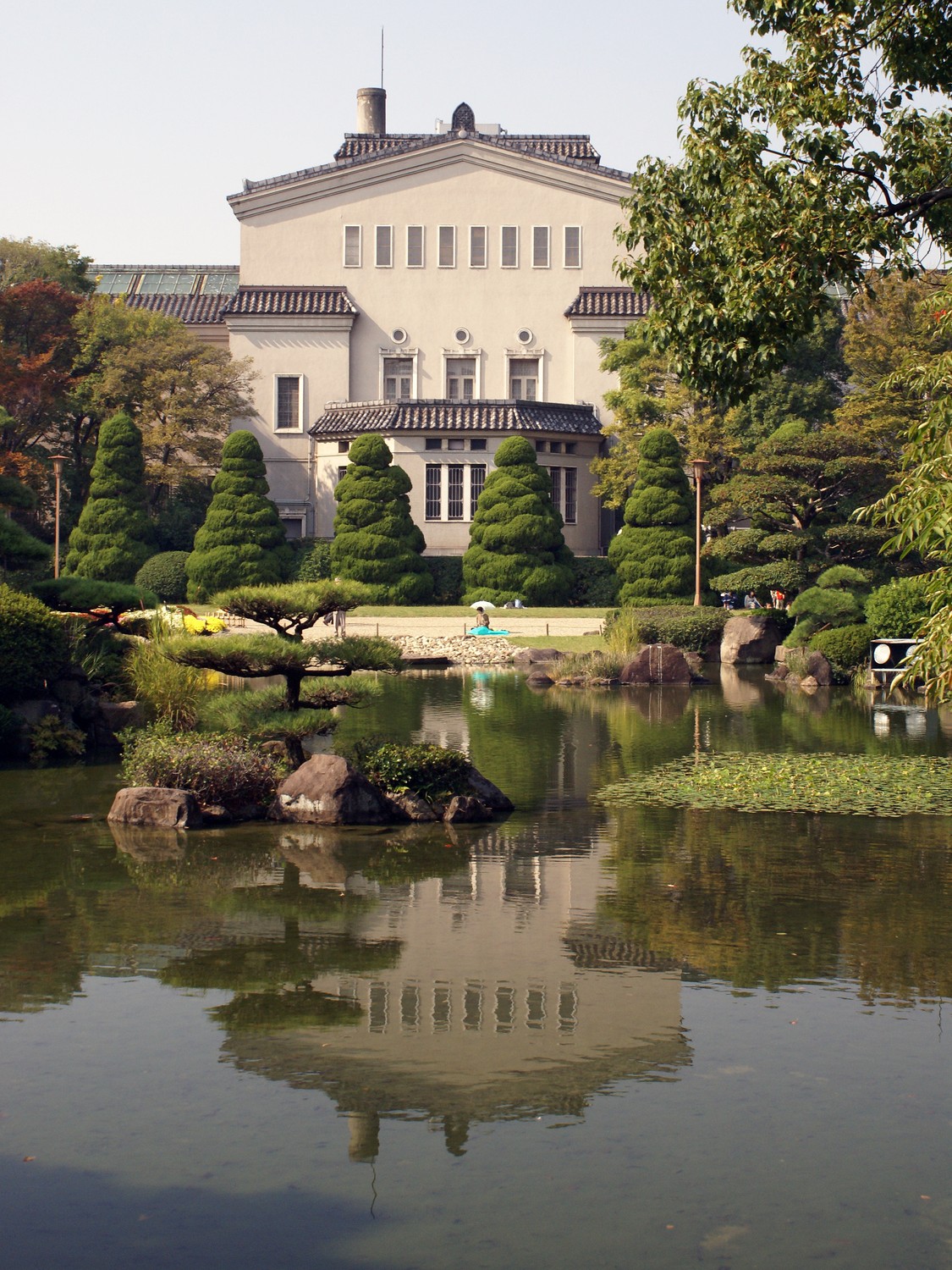
Nestled within the verdant embrace of Tennoji Park, the Osaka City Museum of Fine Arts stands as a profound testament to the enduring spirit of Japanese culture. Established in 1936 upon the historic grounds of the former Sumitomo family estate, the museum is far more than a mere repository for artifacts; it is a living chronicle of artistic evolution. To walk through its halls is to traverse centuries of human expression, where the legacy of the Sumitomo lineage meets a modern mission to foster cultural enlightenment. The museum’s very existence was born from a visionary 1920s plan to bring the sublime beauty of fine arts to the citizens of Osaka, ensuring that the pursuit of aesthetic excellence remains an accessible cornerstone of urban life.
The architecture itself serves as a bridge between eras. The main building, characterized by its symmetrical and modern Japanese design, features a striking structure with two floors above ground and two below, harmonizing contemporary stability with traditional grace. Currently undergoing a meticulous transformation scheduled for completion in the spring of 2025, the museum is preparing to unveil an even more vibrant face to the world. This renovation is not merely about structural renewal but about reimagining the visitor experience, integrating the concept of the "Central Pie"—a symbolic architectural element—with the surrounding natural beauty of the revitalized Tennoji Park. For the discerning traveler or the lover of fine design, this metamorphosis promises a space where the boundaries between indoor galleries and the outdoor landscape dissolve.
Masterpieces of the Floating World
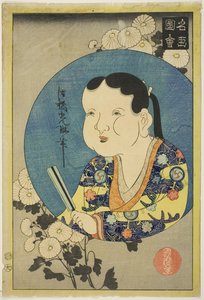
At the very heart of the museum’s soul lies its breathtaking collection of ukiyo-e woodblock prints, most notably the transcendent works of the legendary Katsushika Hokusai. These masterpieces, including the iconic series known as "The Three Great Views," offer a window into the ephemeral beauty of the Edo period. Through his masterful use of perspective and an extraordinary palette of colors, Hokusai captured the fleeting moments of life—the crest of a wave, the stillness of a mountain, the movement of wind—with a technical precision that continues to captivate global audiences. These prints are not merely historical documents; they are profound meditations on the relationship between humanity and the natural world, rendered with an originality that has influenced art movements far beyond the shores of Japan.
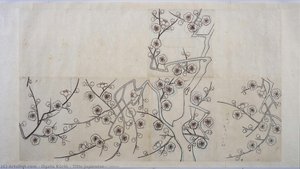
Beyond the celebrated prints, the museum’s permanent holdings comprise over 8,500 exquisite works that span a vast cultural landscape. Collectors and enthusiasts will find themselves mesmerized by the delicate intricacy of Chinese and Japanese paintings, the stoic strength of ancient sculptures, and the refined elegance of traditional crafts. Each piece, often donated by venerable temples and private estates, tells a story of devotion, skill, and heritage. For interior designers seeking inspiration, the museum offers a masterclass in texture, color theory, and the balance of negative space. The collection serves as an infinite wellspring of motifs, where the delicate lines of a silk scroll or the earthy tones of ancient ceramics can spark new visions of harmony and sophistication in any curated environment.