

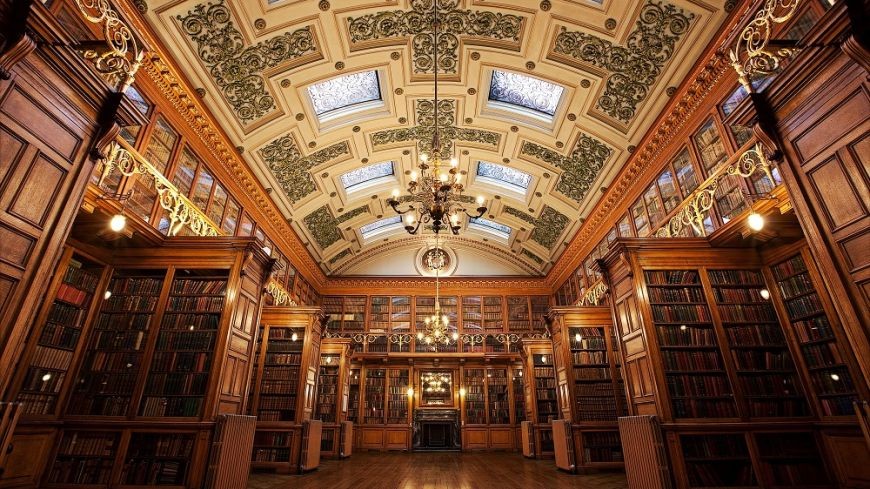
Quick Facts
- Mediums:
- acrylic on canvas
- oil on canvas
- Works on APS: 47
- Location: Edinburgh, United Kingdom
- Alternate names:
- Royal College of Physicians of Edinburgh
- RCPE
- The Royal College of Physicians of Edinburgh
- Royal College of Physicians Edinburgh
- More…
- Movements:
- abstract expressionism
- academic realism
- contemporary realism
- neoclassicism
- realism
- Historical periods: 19th century
- Art types: wallart
- Featured artists:
- george reid
- Henry Raeburn
- alexander s mackay
- sir john watson gordon
- John Partridge
Art Quiz
There is only one correct answer for each question.
Question 1:
What is the primary focus of the Royal College of Physicians of Edinburgh?
Question 2:
The building itself reflects which historical period?
Question 3:
What type of artifacts are prominently displayed within the College?
Question 4:
The College's commitment extends beyond preserving the past; it actively shapes the future of healthcare through:
Question 5:
What distinguishes the Royal College of Physicians of Edinburgh from other institutions?
Exhibited Artists
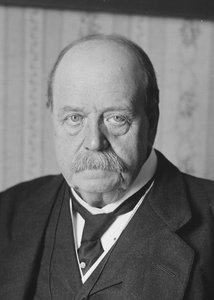
george reid
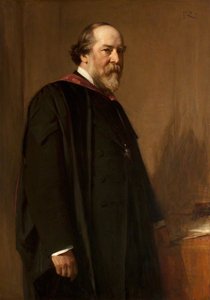
George Agnew Reid (1860-1947): Explore the work of this pivotal Canadian genre painter, muralist & educator. His emotionally resonant scenes of Ontario life shaped a national artistic identity.

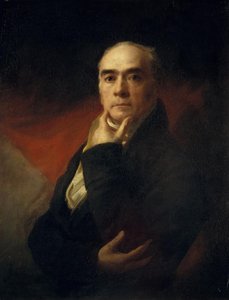
Henry Raeburn
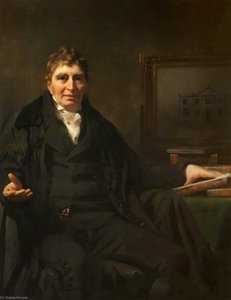
Sir Henry Raeburn (1756-1823) was a pioneering Scottish portrait painter celebrated for his realistic style & capturing the character of prominent figures. Explore his legacy!
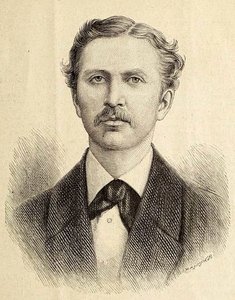
alexander s mackay
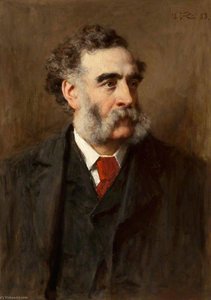
Alexander S. Mackay (1832-1899) was a Scottish portrait painter from Kilmarnock, known for his oil paintings & family of artists. Discover his work and legacy!
Related Articles
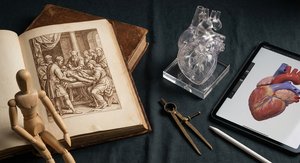
The Eloquent Body: Anatomy's Enduring Legacy in Art from Renaissance Dissection to Modern Representation
Explore the fascinating history of anatomy in art! From Renaissance dissections to modern masterpieces, discover how artists & scientists collaborated to depict the human form with unprecedented realism. Learn more at ArtsDot.
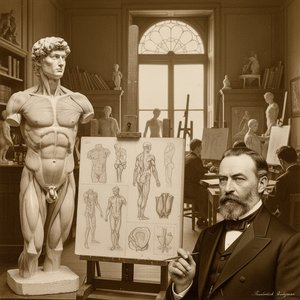
Frederick Bridgman: Anatomical Mastery & the Evolution of Figure Drawing Instruction
Explore the anatomical mastery of George B. Bridgman & his revolutionary figure drawing techniques. Discover how his methods transformed art instruction and continue to inspire artists today. Learn more at ArtsDot.
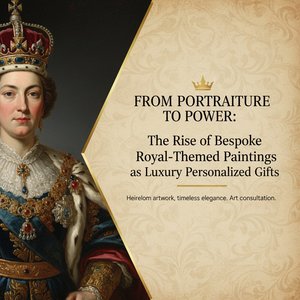
From Portraiture to Power: The Rise of Bespoke Royal-Themed Paintings as Luxury Personalized Gifts
Discover bespoke royal paintings – luxury personalized gifts crafted by skilled artists. Commission a unique heirloom artwork & elevate your space with timeless elegance. Expert art consultation available.
List of Artworks


Subscribe to Our Newsletter
Stay updated with the latest art news, exclusive offers, and decoration ideas.
Get 3 Free Art Suggestions
Tell us about your project and our art experts will provide you with 3 personalized art suggestions.
Not Sure Where to Start?
Let Us Curate 3 Options Just for You - Free!