
A Journey Through the Imperial Grandeur of Saint Petersburg
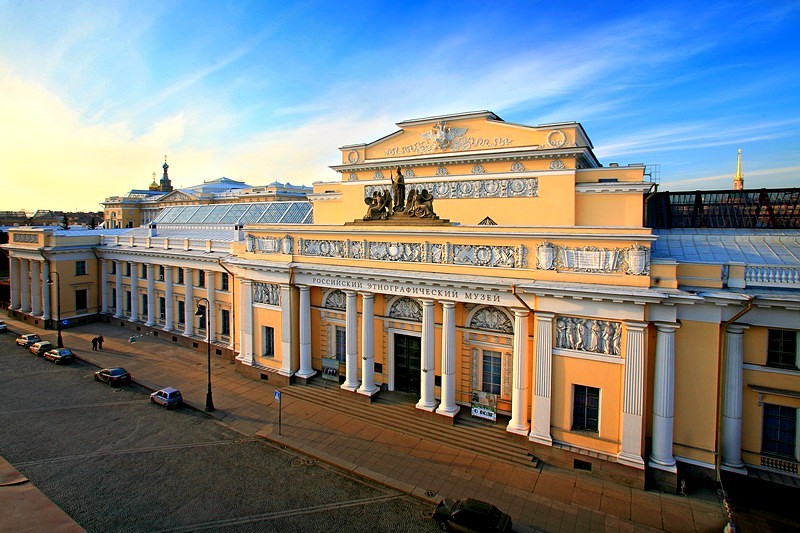
Nestled within the breathtaking Mikhailovsky Palace, the Russian Museum of Ethnography stands as a profound testament to the enduring spirit and multifaceted identity of a nation. As one wanders through the neoclassical halls designed by Alexander Stroganov, the sheer opulence of the imperial era envelops the visitor in a sense of timelessness. The architecture itself is a character in this historical narrative; soaring ceilings and magnificent frescoes do more than merely decorate the space—they set a majestic stage for a chronicle that spans centuries and vast territories. This is not merely a repository of static relics but a living window into the soul of Russia, where every gilded corner and meticulously landscaped garden whispers stories of the diverse peoples who have shaped the landscape from the frozen reaches of Siberia to the sun-drenched peaks of the Caucasus.
The Intricate Tapestry of Human Heritage
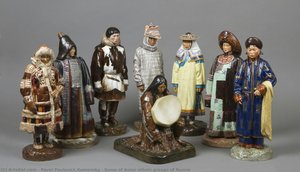
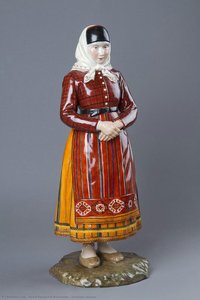
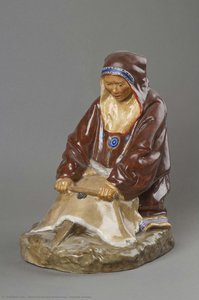
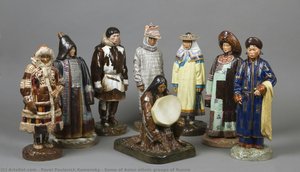
To step into the museum’s galleries is to encounter a breathtaking mosaic of human existence, preserved through an unparalleled collection of over half a million objects. The museum offers an intimate glimpse into the daily lives, spiritual rituals, and artistic triumphs of the diverse ethnic groups of the former Russian Empire and the Soviet Union. One might find themselves mesmerized by the delicate complexity of ancient textiles, where every woven thread tells a story of trade along the Silk Road or the resilient nomadic traditions of Central Asia. The museum’s treasures—ranging from monumental sculptures depicting mythological figures to the intimate, weathered tools of rural life—serve as a bridge between the material and the spiritual. For the discerning eye of the collector or the interior designer, these artifacts are far more than historical specimens; they are masterpieces of organic design, offering a rich palette of geometric patterns and stylized motifs that continue to inform contemporary aesthetic sensibilities.
Where Folklore Meets the Avant-Garde
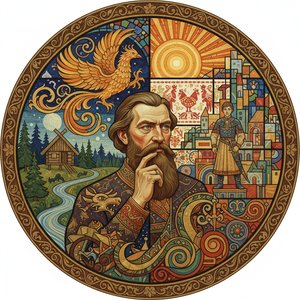
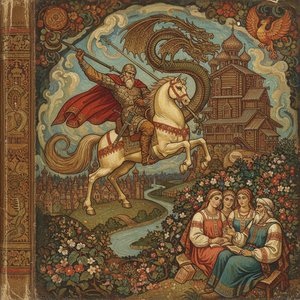
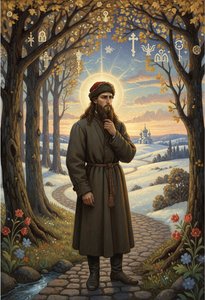
The true magic of the Russian Museum of Ethnography lies in its ability to illuminate the profound connection between ancient folk tradition and the evolution of modern fine art. The museum serves as a vital intersection where the primordial meets the avant-garde, showcasing how the rhythmic patterns of ethnic ornaments influenced legendary figures such as Vasili Kandinsky . Through curated explorations of Russian folklore and mythology, visitors can trace the lineage of visual storytelling from the enchanting, graphic illustrations of Ivan Bilibin to the deeply symbolic landscapes of Mikhail Nesterov . This dynamic interplay between cultural heritage and artistic innovation creates a space where history is not just remembered but actively reimagined. It is an experience that lingers long after leaving Saint Petersburg, providing an inexhaustible source of inspiration for those who seek to understand how the enduring beauty of cultural heritage continues to breathe life into modern creative expression.