
A Venetian Sanctuary of Light and Shadow
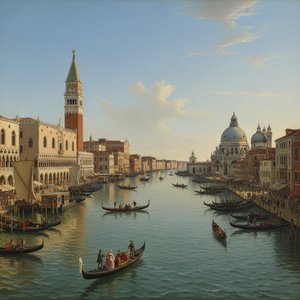
In the quiet, labyrinthine heart of Venice’s Dorsoduro district lies San Trovaso, a place where the boundary between the city's maritime pulse and its spiritual grandeur dissolves into a singular, breathtaking experience. To enter this corner of Venice is to step away from the frenetic energy of the tourist thoroughfares and into a realm defined by the rhythmic lapping of canal waters against ancient stone. San Trovaso is not a museum in the traditional, sterile sense; it is a living repository of Venetian soul, where the scent of wood varnish from the nearby Squero di San Trovaso—one of the city's last remaining gondola workshops—mingles with the incense of centuries-old devotion. Here, the craftsmanship of the boatbuilder and the vision of the master painter exist in a seamless dialogue, both dedicated to capturing the ephemeral beauty of the Venetian lagoon.
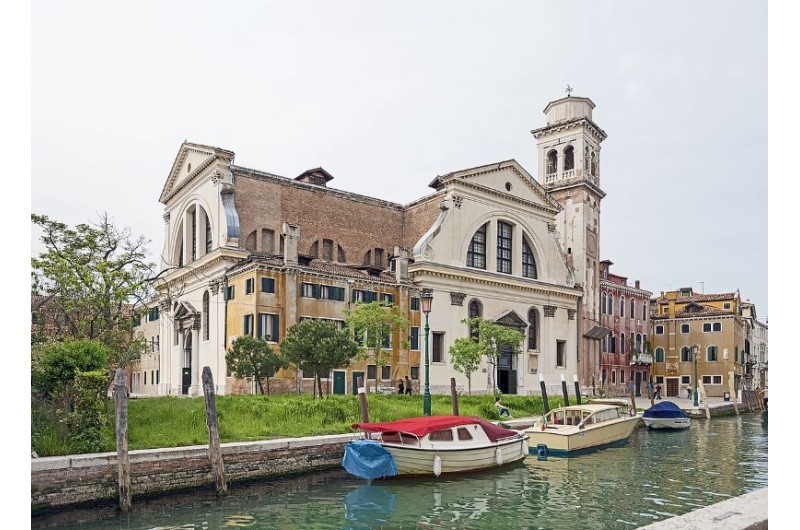
The architectural essence of San Trovaso reflects the enduring resilience and aesthetic grace of the Republic. While its origins reach back to at least 1028, the structure we encounter today is a magnificent testament to the late Renaissance and Baroque sensibilities, largely rebuilt by Francesco Smeraldi in 1584. The church’s unassuming façade serves as a deceptive threshold; once passed, visitors are enveloped by an interior designed to inspire awe through the dramatic interplay of light and shadow. This mastery of chiaroscuro is not merely an architectural feat but a thematic thread that binds the entire collection together, creating an atmosphere where every gilded surface and marble vein seems to pulse with a hidden, divine energy.
Masterpieces of the Venetian Baroque
The true treasures of San Trovaso reside within its chancel and chapels, where the canvases of the Tintoretto lineage command the space with unparalleled emotional intensity. The chancel houses two monumental works by Domenico Tintoretto, Adoration of the Magi and Expulsion of Joachim from the Temple . These paintings are masterclasses in Venetian Baroque grandeur, utilizing deep, saturated hues and a dynamic composition that pulls the viewer into the very heart of the sacred drama. The way light breaks across the figures, highlighting moments of profound human emotion against encroaching darkness, exemplifies the technical brilliance that defined this era of Italian art.
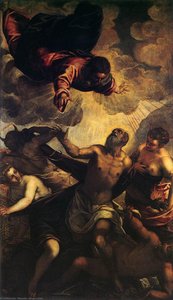
Beyond the Tintoretto legacy, the collection offers a rich tapestry of Venetian devotion and skill. In the left rear chapel, one finds the visceral Temptations of Saint Anthony Abbot by Jacopo Tintoretto, a work that pushes the boundaries of movement and psychological tension. For those seeking the delicate elegance of an earlier era, the presence of Michele Giambono’s St. Chrysogonus on Horseback provides a stunning contrast; painted around 1444, it brings a sense of refined detail and spiritual grace that speaks to the evolving aesthetic of the Venetian mainland. For collectors and interior designers, these works represent more than mere historical artifacts; they are embodiments of a timeless aesthetic—a sophisticated blend of drama, texture, and light that continues to inspire the most discerning contemporary tastes.
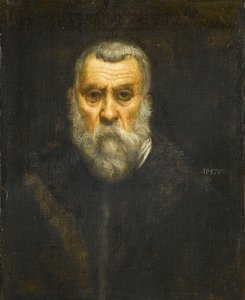
To visit San Trovaso is to participate in a continuous history of Venetian excellence. Whether one is moved by the meticulous artistry of the Last Supper by the elder Tintoretto or simply finds peace in the pastel-colored reflections of the canal, the site offers an unparalleled encounter with the sublime. It remains a vital destination for those who seek to understand how art, architecture, and local tradition can coalesce to create a sanctuary that is as much about the enduring spirit of Venice as it is about the masterpieces held within its walls.