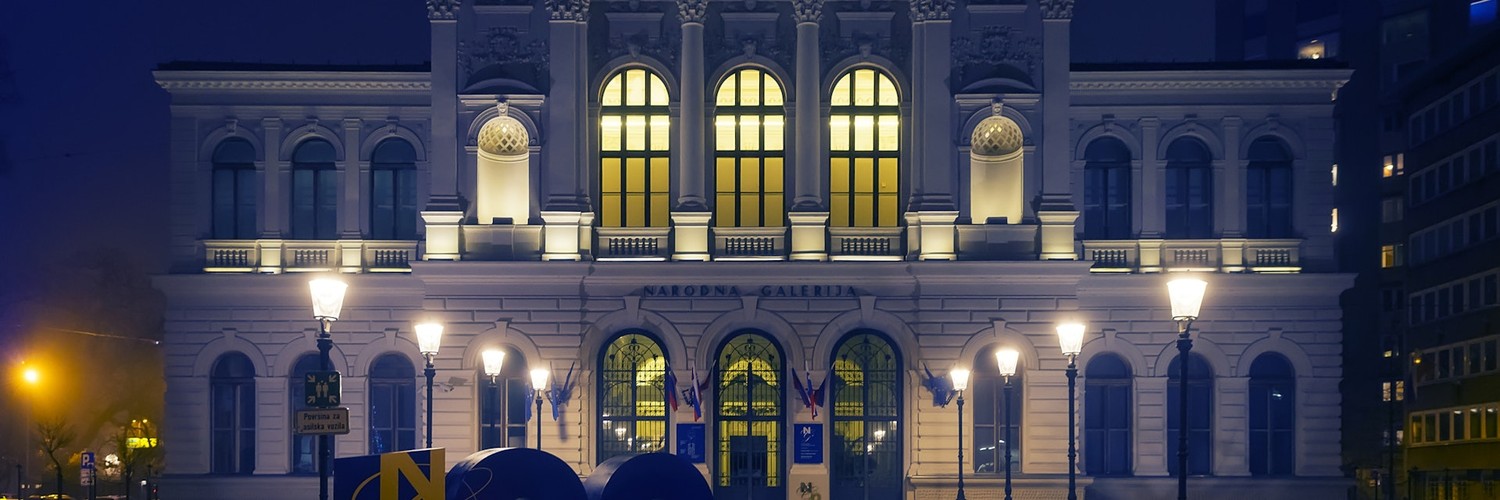




A Journey Through Slovenia’s Ancient Soul
Nestled within the historic heart of Ljubljana, where medieval charm meets Renaissance grandeur, the Slovenian Tourist Board museum offers far more than a mere collection of artifacts; it provides an immersive passage through time. To step inside is to embark on a profound exploration of Slovenia’s cultural genesis, peeling back the layers of millennia to reveal the very bedrock of national identity. The museum serves as a sanctuary for the echoes of prehistory, inviting visitors to contemplate the dawn of human creativity and the enduring spirit of those who first inhabited these lush, diverse landscapes.
The collection is anchored by breathtaking archaeological treasures that whisper tales of survival and artistic impulse. At its most poignant center lies the Divje Babe Flute, a relic of unimaginable significance. Carved from mammoth ivory, this instrument—arguably the oldest known musical creation of humankind—transcends its physical form to embody the primal human need for melody and expression. Alongside it, fragments of Neolithic pottery and primitive tools serve as tactile connections to nomadic tribes, illustrating a sophisticated adaptation to an evolving environment. These pieces do not merely sit behind glass; they breathe life into the narrative of our shared evolutionary journey.
Beyond the prehistoric shadows, the museum illuminates the vibrant tapestry of Slovenian tradition through exquisite craftsmanship. The Vače Situla stands as a masterpiece of the Iron Age, a vessel adorned with mesmerizing geometric designs that showcase an advanced understanding of symmetry and ornamentation. Each intricate pattern etched into its surface is believed to hold deep cosmological significance, acting as a tangible link to the spiritual beliefs of ancient settlements. This dedication to preserving cultural heritage ensures that the myths, legends, and symbolic languages of the past continue to resonate within the modern consciousness.
What truly distinguishes this institution is its singular, unwavering focus on Slovenia’s prehistoric legacy. While many museums seek to capture the broad strokes of European history, this space champions a localized narrative, positioning Slovenia as a premier site for paleoanthropological discovery. For the art lover, the collector, or the designer seeking inspiration in the primal and the authentic, the museum offers a rare glimpse into the origins of aesthetic thought. It is a place where history is not just studied but felt, shaping a national narrative that continues to inspire future generations through its deep connection to the earth and the ancient human hand.