


A Timeless Synthesis of Science and Soul
In the heart of London’s historic Smithfield district, where the echoes of medieval commerce still linger near the bustling covered markets, lies a sanctuary that defies simple categorization. The st Bartholomew’s Hospital Museum And Archive is not merely a repository of medical history; it is a profound testament to the enduring intersection of human suffering, scientific triumph, and artistic brilliance. Founded in 1123 by the Benedictine monk Rahere, this venerable institution carries a legacy that stretches back to the reign of Henry I. To walk through its halls is to embark on an extraordinary journey through time, witnessing how the evolution of Western medicine has been inextricably woven into the very fabric of European culture and aesthetic expression.
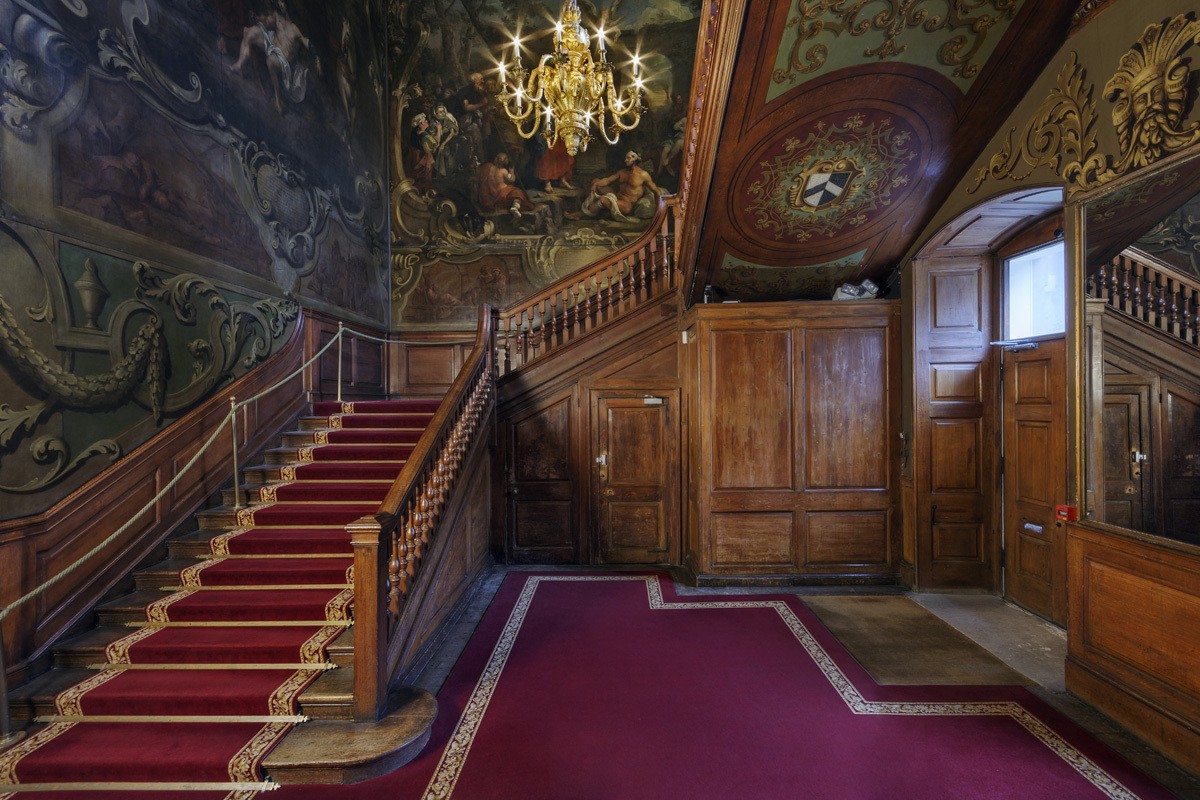
The architecture of the museum serves as a breathtaking stage for this historical drama, offering a masterclass in structural grandeur. The edifice itself is a masterpiece of Baroque elegance, much of which can be attributed to the visionary architect James Gibbs. His influence is most strikingly realized in the magnificent 1739 gate, an imposing entrance that commands respect and invites contemplation from all who approach. Inside, the museum’s grand halls are adorned with meticulously crafted frescoes that illuminate the ceilings, reflecting a period when architectural grandeur was used to honor the sanctity of healing. This interplay of light, stone, and pigment creates an atmosphere of reverence, making the museum a captivating destination for interior designers seeking inspiration in the harmonious balance of structural strength and ornamental grace.
Masterpieces of the Human Condition
The collection housed within these walls is a curated marvel, offering a sensory experience that transcends the clinical nature of medical study. While the archives hold invaluable documents detailing centuries of patient care and epidemiological shifts, the true heart of the museum lies in its artistic treasures. One cannot encounter the works of William Hogarth without feeling the sharp, satirical bite of his social commentary; his depictions of "Bethlehem Hospital" and "The Good Samaritan" serve as poignant windows into the moral and religious values of their era. These paintings, with their vivid palettes and masterful execution, provide a visceral connection to the human condition that purely scientific texts could never achieve.
For those drawn to the profound emotional depth of the Dutch Golden Age, the museum offers a rare encounter with the genius of Rembrandt van Rijn . His masterpiece, "The Anatomy Lesson of St. Thomas," stands as a pinnacle of the collection, demonstrating an unparalleled command of chiaroscuro and psychological intensity. This painting does more than showcase technical virtuosity; it invites the viewer to meditate on the delicate tension between faith and empirical observation. Alongside a vast array of antique surgical instruments that trace the evolution of medical practice, these artworks transform the museum into a living gallery where the history of science is told through the language of beauty.
A Living Legacy of Discovery
Today, the st Bartholomew’s Hospital Museum And Archive continues to thrive as a vibrant center for multidisciplinary research and cultural discovery. Though it undergoes ongoing restoration to preserve its precious heritage, it remains a vital landmark for scholars reconstructing the medical narratives of the past and for art lovers seeking a deeper connection to the European legacy. It is a place where the clinical meets the sublime, offering an unparalleled opportunity to explore how the pursuit of health has always been accompanied by a profound pursuit of meaning.