
A Crossroads of Civilizations: Unveiling the State Art Museum of Uzbekistan
Nestled in the heart of Tashkent, the State Art Museum of Uzbekistan stands as a monumental testament to the nation’s rich and layered artistic heritage. More than simply a repository of artworks, it's a vibrant chronicle of centuries-long cultural exchange—a place where the echoes of ancient empires, nomadic traditions, and European influences converge in breathtaking harmony. Established in 1918 initially as the “Museum of People University,” its evolution mirrors Uzbekistan’s own transformation, culminating in a collection that offers an unparalleled journey through time and across continents. The museum's very existence is rooted in a deliberate effort to preserve and celebrate the diverse artistic traditions that have shaped this strategically important crossroads of trade routes and civilizations.
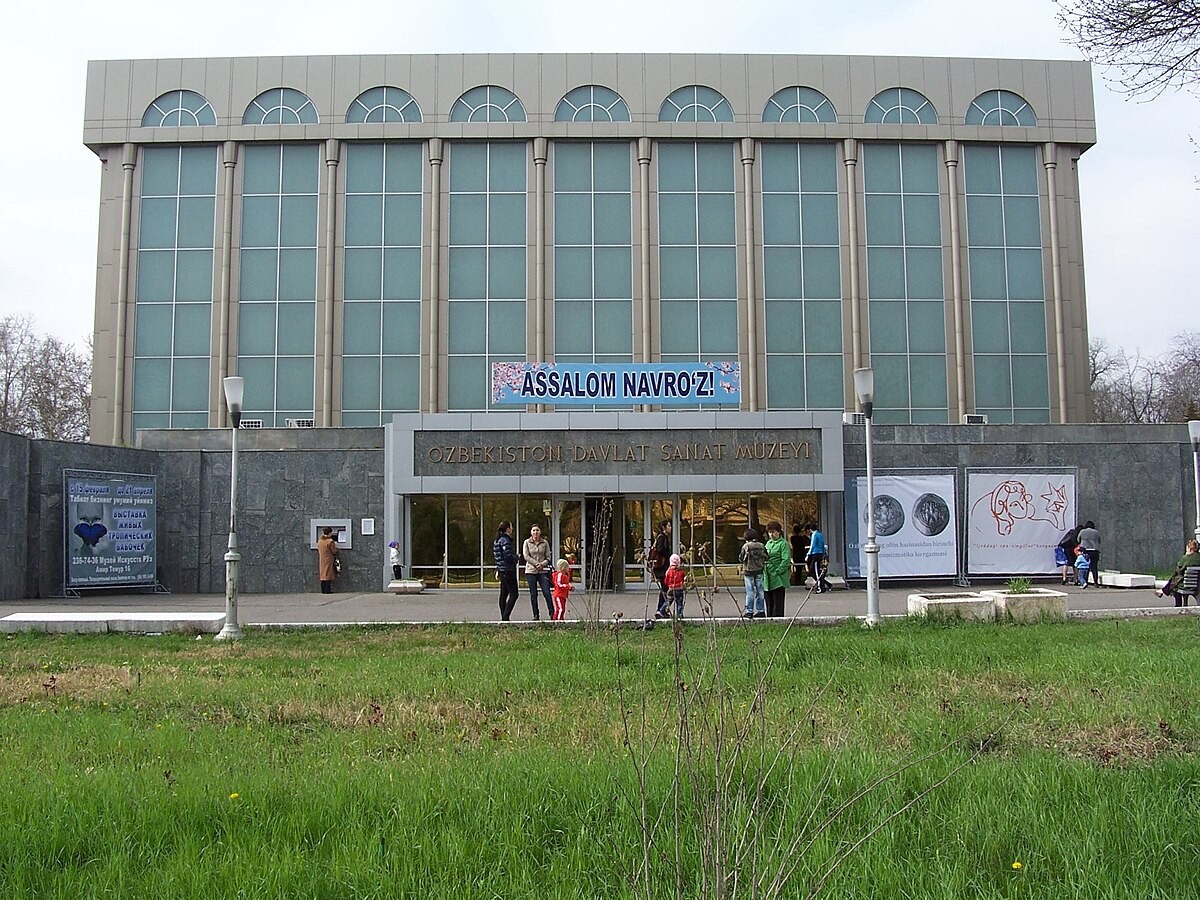
The building itself—a striking example of Stalinist Modernism—is as captivating as the art it houses. Constructed between 1927 and 1953, its imposing cube shape, clad in polished gray marble and aluminum sheeting, immediately commands attention. The unique glazing, employing chrom-brugnatellite, bathes the interior galleries in a soft, diffused light – a deliberate choice designed to enhance the viewing experience of the artworks within. This architectural statement isn’t merely functional; it's a bold declaration of Uzbekistan’s place on the world stage during the Soviet era, reflecting both its ambition and its commitment to showcasing its cultural treasures.
A Tapestry of Artistic Voices: Exploring the Museum’s Collections
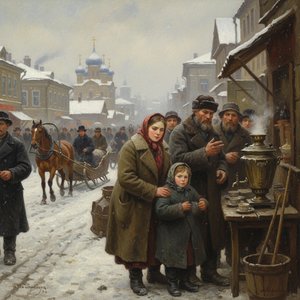
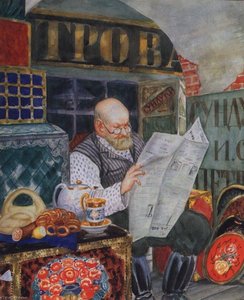
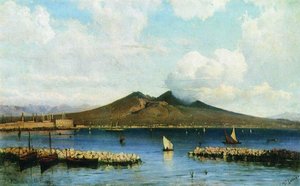
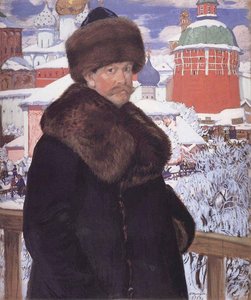
The State Art Museum boasts an extraordinarily diverse collection, meticulously curated to represent a remarkable breadth of artistic styles and periods. At its core lies a comprehensive exploration of Uzbek fine arts, tracing the evolution of painting, sculpture, and decorative crafts from the region's earliest traditions through the present day. Usto Mumin, arguably Uzbekistan’s most celebrated artist, holds a prominent place within this section, his vibrant depictions of rural life and folklore offering a window into the soul of the nation. Equally significant is the museum’s impressive Russian art collection—a testament to the enduring influence of Imperial Russia on Central Asian culture. Works by masters such as Vladimir Borovikovsky, Karl Bryullov, and Ilya Repin provide a fascinating glimpse into the artistic trends that shaped the region during the 18th and 19th centuries.
Beyond these core collections, visitors will discover a wealth of Western European masterpieces—a carefully assembled selection of paintings, drawings, and sculptures from Italy, France, and beyond. The museum’s National Applied Art section is equally captivating, showcasing the intricate beauty of traditional Uzbek crafts: exquisitely crafted ceramics adorned with geometric patterns and floral motifs, shimmering textiles woven with painstaking detail, elaborate jewelry reflecting centuries-old traditions, and intricately carved wooden objects that speak to a deep connection with nature. A dedicated area also highlights Far Eastern art, offering a rare opportunity to appreciate the artistic styles and cultural values of neighboring countries.
Echoes of the Past: History and Controversy
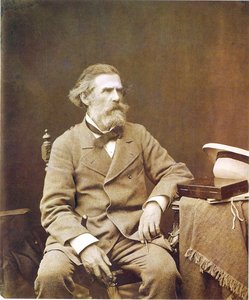
The museum’s history is inextricably linked to Uzbekistan's own turbulent past. Initially founded in 1918 amidst the upheaval of revolution, it underwent numerous name changes before becoming the State Art Museum of Uzbekistan in 1935. The building itself has witnessed significant transformations—from its origins as a palace for Grand Duke Nicholas Konstantinovich to its current iconic structure erected during the Stalinist era. However, the museum’s story is not without controversy. In 2014, a shocking scandal erupted when the former curator, Mirfayz Usmonov, was exposed for illicitly selling artworks and replacing them with forgeries—a betrayal of public trust that cast a dark shadow over the institution's reputation.
A Living Legacy: Exhibitions and Unique Features
Today, the State Art Museum continues to evolve as a dynamic center for artistic expression. Regular exhibitions showcase both established masters and emerging talents, offering visitors a constantly refreshed perspective on Uzbek art and culture. The museum’s commitment to preserving and promoting its collections is evident in its meticulous restoration programs and ongoing research initiatives. Beyond its impressive collection, the museum offers a unique opportunity to delve into the rich traditions of Uzbekistan—a land where ancient artistry seamlessly blends with contemporary creativity.
A visit to the State Art Museum of Uzbekistan promises an enriching experience for art enthusiasts and anyone interested in exploring the country’s vibrant cultural landscape. It is more than just a museum; it's a portal into the soul of Uzbekistan—a testament to its enduring artistic legacy and a symbol of its ongoing journey toward a brighter future.