
A Convergence of Time and Spirit
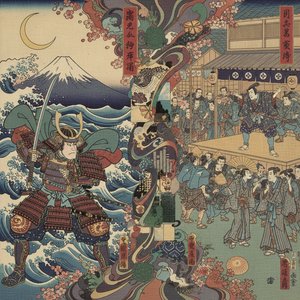
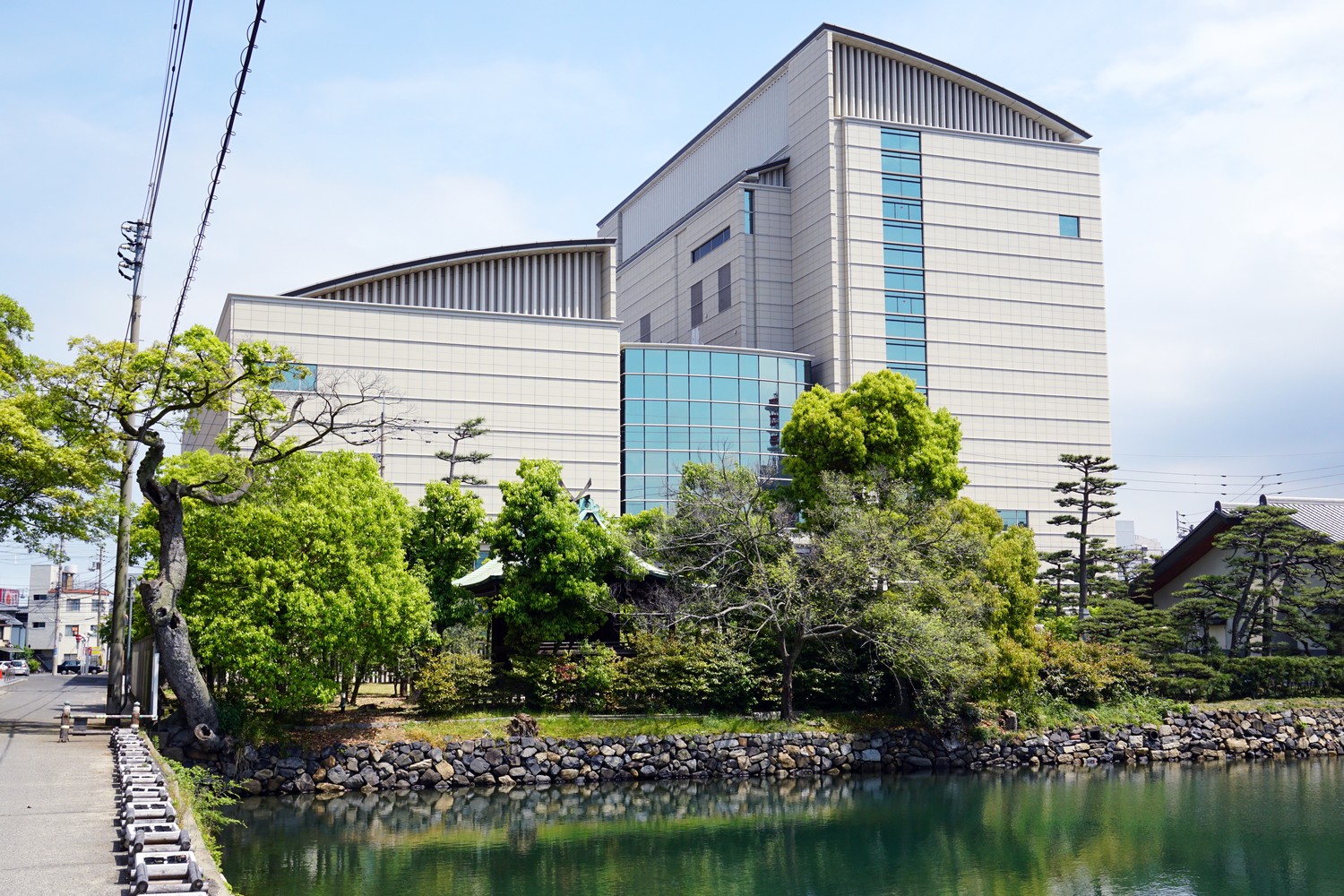
Nestled where the Seto Inland Sea meets the verdant, sun-drenched slopes of Mt. Yashima, The Kagawa Museum stands as far more than a mere repository of the past; it is a living, breathing dialogue between eras. Born in 2008 from the thoughtful unification of three distinct cultural pillars—the Kagawa Prefectural Cultural Hall, the Seto Inland Sea Folk History Museum, and the Kagawa History Museum—this institution offers a seamless journey through the very soul of the Kagawa Prefecture. To walk through its halls is to experience a deliberate philosophical shift toward interconnectedness, where the heavy, metallic weight of ancient samurai armor exists in a harmonious orbit with the light, avant-garde strokes of modern Japanese painting. It is a place where history does not sit static behind glass but resonates alongside the contemporary pulse of Takamatsu, creating a tapestry of human experience that spans centuries.
Mastery in Form and Color
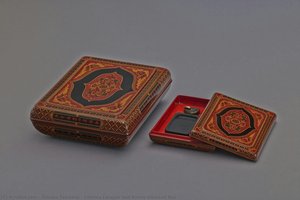
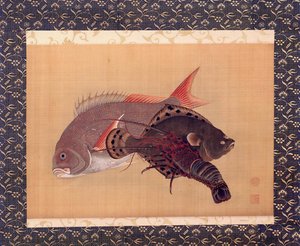
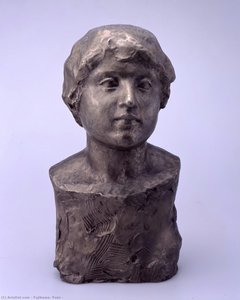
The museum’s collection serves as a profound testament to the enduring power of artistic vision, bridging the gap between traditional craftsmanship and mid-century modernism. Collectors and aesthetes will find themselves captivated by the vibrant canvases of Inokuma Genichiro, whose work masterfully weaves together the influences of Impressionism and Japonisme to capture the resilient spirit of post-war Japan. His bold palettes offer a window into a nation redefining itself through color and movement. This dialogue with modernity is further enriched by the presence of Noguchi Isamu, the legendary sculptor whose works invite deep, meditative contemplation. From elegant furniture crafted from local cedarwood to monumental forms that embody Zen philosophy, Noguchi’s influence permeates the galleries, reminding us of the profound respect for natural materials that defines Japanese aesthetics. Yet, this artistic journey is anchored by the tangible echoes of history; the delicate silk of a Heian period kimono and the formidable presence of feudal armor provide a tactile connection to the aristocratic elegance and warrior prowess of centuries past.
Architecture as an Extension of Nature
For the designer and the interior enthusiast, the very structure of The Kagawa Museum is an inspiration in itself. The architecture avoids the imposition of cold grandeur, opting instead for a contemporary grace that complements its historical treasures. Spacious galleries are bathed in a soft, natural light that enhances the textures of both stone and silk, fostering an atmosphere of quiet discovery. The deliberate use of cedarwood cladding—a poignant nod to the rich forestry traditions of the region—grounds the building in its local landscape, creating a sensory experience that is both sophisticated and deeply rooted. This architectural harmony extends to the museum's interactive spirit, where visitors are invited to step into the roles of the past by donning authentic reproductions of historical garments. It is this rare ability to blend high art, historical depth, and immersive experience that makes The Kagawa Museum a beacon of cultural preservation and a must-visit destination for anyone seeking the true heart of Japan.